Mastering Digital Logistics: Best Practices for Modern Freight Forwarders
Saturday, August 8 2026
The global shipping industry is currently navigating a period of unprecedented transformation where traditional processes are rapidly being replaced by digital solutions. Freight forwarders who cling to manual data entry and outdated communication methods risk losing their competitive edge in a fast-paced market. By embracing cloud-based technologies and optimizing internal workflows, logistics companies can significantly enhance their operational efficiency and service delivery. This transition requires a commitment to process improvement and a willingness to adopt tools that provide real-time visibility. Understanding how to leverage these technological advancements is essential for any professional aiming to thrive amidst the complexities of modern international trade.
Streamlining Operations with Automation

Implementing automation software allows freight teams to reduce repetitive manual tasks that consume valuable time. By digitizing documents and automating status updates, forwarders can focus on high-value client interactions rather than administrative burdens. Modern platforms enable seamless integration with existing systems to improve accuracy.
- Reduce manual input: Utilize intelligent document processing tools to extract data from bills of lading automatically which minimizes human error and speeds up your internal shipping document workflow.
- Centralized data access: Maintain a single source of truth for all shipment documents to ensure that your team can access vital information instantly from any location worldwide.
- Automated status alerts: Configure your software to send proactive notifications to customers as cargo moves through milestones to reduce the volume of inbound status update inquiries.
- Enhanced workflow logic: Apply custom business rules within your digital platform to handle routine routing decisions which allows staff to prioritize managing exceptions and complex logistics.
- System integration capabilities: Connect your freight management platform with carrier APIs to fetch real-time sailing schedules and pricing data directly without manual browser searches or spreadsheet management.
Digital transformation through automation is not merely a luxury but a fundamental necessity for scaling operations effectively. When routine tasks are handled by software, your staff gains the freedom to focus on building long-term client relationships and resolving complex logistics challenges. This strategic shift in operational focus leads to higher employee satisfaction and a significantly more reliable service delivery model for every customer.
Prioritizing Real-time Cargo Visibility
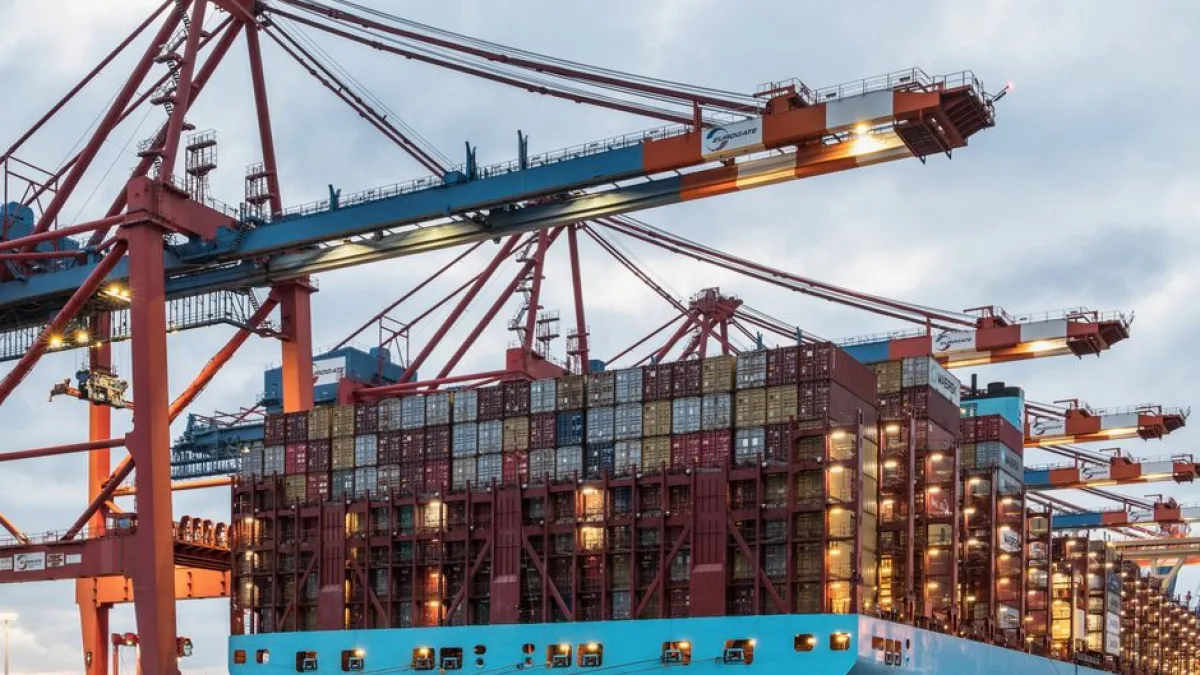
Providing clients with live updates has become the gold standard in logistics communication today. Forwarders must utilize tracking tools that offer granular visibility across every leg of the journey to build trust. Clear communication during unforeseen delays helps maintain strong partnerships.
- Live tracking portals: Offer your clients a dedicated online portal where they can monitor their shipments in real-time to decrease the need for constant email status requests.
- Proactive delay management: Monitor external data feeds for port congestion or weather events to alert your customers before they even realize a potential issue might affect them.
- GPS integration benefits: Incorporate satellite or cellular tracking data into your reporting suite to provide exact coordinates for high-value cargo moving across remote or difficult regions.
- Transparency builds loyalty: Share comprehensive visibility dashboards with your shipping partners to demonstrate your commitment to operational excellence and create long-term value for their business operations.
- Unified communication logs: Keep all shipment notes and tracking conversations inside one system so that any team member can provide an accurate update at any moment.
Visibility serves as the backbone of modern freight forwarding because it turns uncertainty into actionable intelligence. By giving stakeholders the ability to monitor cargo progress autonomously, you save time and reduce the friction caused by information gaps. Investing in robust tracking technology shows your clients that you prioritize their business needs while maintaining a high standard of professional service and total transparency.
Optimizing Financial Reporting Workflows

Financial health depends on accurate billing and timely invoicing cycles across all shipping lanes. Automating the connection between operational data and your accounting software prevents revenue leakage and improves cash flow. Forwarders need precise financial oversight to remain profitable and competitive.
- Seamless invoice generation: Configure your software to create professional invoices automatically based on completed shipment tasks to ensure that you capture all billable service fees accurately.
- Automated currency conversion: Use dynamic exchange rate features to handle multi-currency transactions flawlessly which protects your margins from unexpected fluctuations during long-term international trade projects today.
- Vendor cost reconciliation: Compare carrier invoices against your original quotes inside your software platform to identify discrepancies immediately and avoid paying for services that were not provided.
- Cash flow optimization: Send automated payment reminders to clients to reduce days sales outstanding and keep your business liquid for growth investments and operational expenses daily.
- Real-time profit tracking: View individual shipment profitability reports as soon as a job closes to understand your margin performance for specific routes or service types immediately.
Financial discipline is a critical component of successful freight management that often goes overlooked during busy peak seasons. By integrating your financial workflows with your primary logistics software, you ensure that every dollar is accounted for correctly and quickly. This level of precision eliminates human error in billing and allows your management team to make better data-driven decisions for future profitability.
Building Stronger Carrier Relationships

Success in logistics relies heavily on the strength of your carrier network and vendor partnerships. Developing a collaborative approach to capacity management and pricing negotiations creates a buffer during periods of extreme market volatility. Digital platforms facilitate better cooperation between parties.
- Digital rate management: Store and update carrier tariffs in a centralized database to ensure your sales team always provides accurate pricing to clients during the quoting process.
- Performance scorecards: Use platform data to measure carrier reliability and transit times so you can make informed decisions when selecting partners for your client cargo shipments.
- Streamlined booking requests: Send electronic booking instructions directly to carriers to save time and ensure that your data remains consistent throughout the entire shipping documentation cycle.
- Collaboration tools usage: Leverage secure chat and document sharing features within your platform to resolve carrier disputes quickly without relying on endless chains of external email.
- Strategic capacity planning: Analyze historical shipment volumes stored in your software to negotiate better space allocations with carriers during busy seasons and secure reliable shipping capacity.
Strong carrier relationships act as a vital safety net when global supply chains face disruption or sudden changes in demand. When you use technology to facilitate clear communication and reliable data sharing, carriers view you as a preferred partner in their network. This mutual cooperation ensures that your freight gets priority handling and consistent service, even when market conditions become increasingly difficult to navigate.
Conclusion
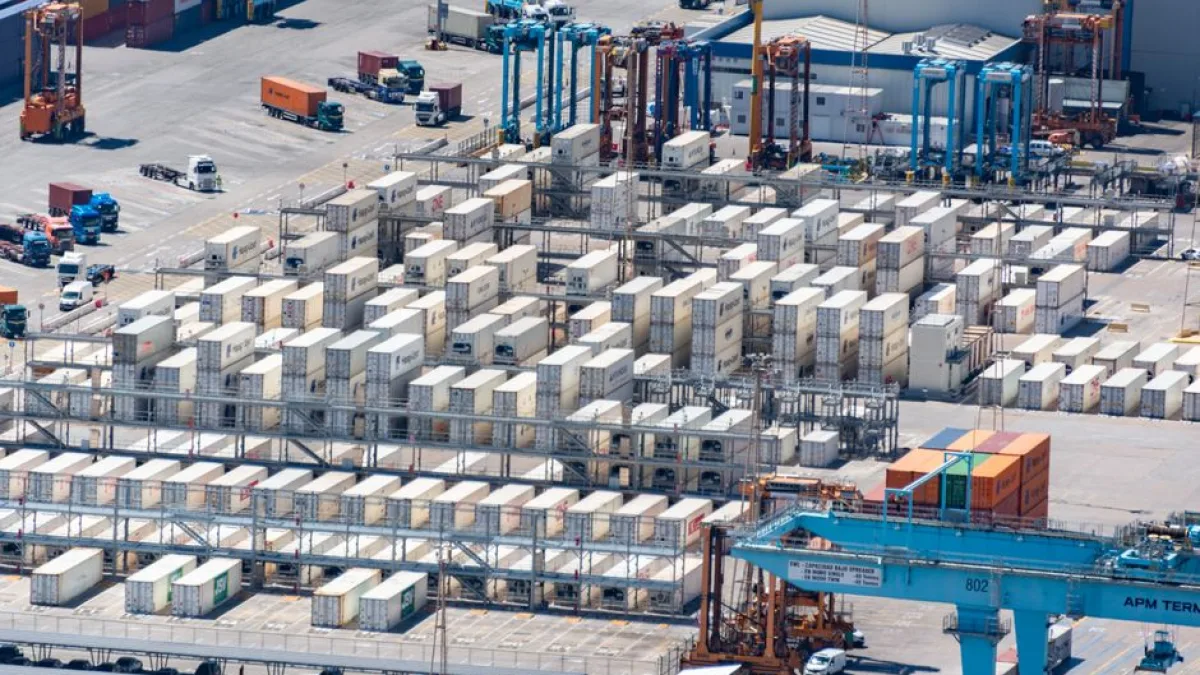
Adopting digital best practices is the most effective way for freight forwarders to achieve sustainable growth in a competitive environment. By automating administrative tasks, prioritizing visibility, and optimizing financial workflows, you create a robust foundation for success. Focus on integrating these strategies into your daily operations to improve client satisfaction and profitability. Your commitment to innovation today will define your long-term success in logistics.