Mastering Digital Logistics: Best Practices for Modern Freight Forwarders
Monday, August 10 2026
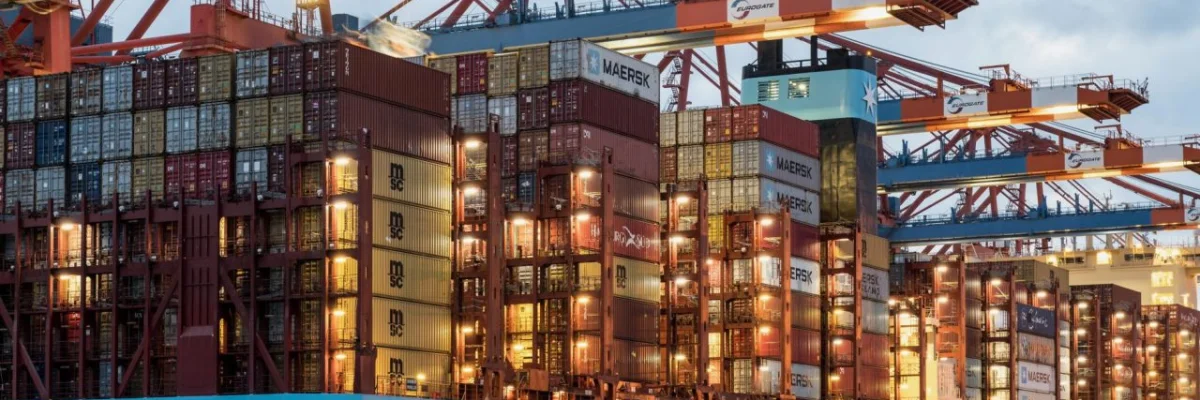
The global logistics landscape is undergoing a radical transformation as digital innovation replaces outdated manual processes. Freight forwarders are increasingly tasked with managing complex supply chains while maintaining transparency and speed for their clients. Embracing cloud-based technology is no longer an optional upgrade but a core requirement for survival in a competitive market. By integrating advanced software solutions, professionals can reduce administrative burdens, minimize human error, and provide real-time updates that build long-term trust. This article outlines essential best practices designed to help your freight forwarding firm leverage modern tools and strategic operations to achieve sustainable growth and operational excellence.
Optimizing Shipment Visibility

Real-time visibility serves as the backbone of modern freight operations, allowing forwarders to monitor shipments across multiple transit points simultaneously. Implementing advanced tracking technology ensures that every stakeholder remains informed, reducing inquiries and fostering stronger client relationships through proactive communication protocols.
- Centralized data access: Consolidate tracking information into one unified platform to eliminate information silos, ensuring that your team and clients access identical shipment status data without manual delays.
- Automated status updates: Configure automated notification systems that trigger alerts during critical transit milestones, keeping customers updated without requiring time-consuming manual intervention or constant follow-up emails.
- Predictive delay management: Utilize integrated analytics to anticipate potential disruptions based on historical weather patterns or port congestion, allowing for preemptive routing changes before issues escalate significantly.
- Enhanced client portals: Provide secure login access for your customers to view their current shipment locations, documentation status, and transit history directly through your branded software portal.
Adopting these visibility strategies allows your team to shift focus from reactive problem-solving to proactive client service. By reducing the time spent hunting for shipment details, you can dedicate more resources to high-level strategic tasks that drive revenue. Implementing these systems effectively builds a reputation for reliability, positioning your company as a modern leader capable of handling the most demanding global logistics requirements.
Streamlining Documentation Workflows

Documentation remains the most time-consuming aspect of freight forwarding, often leading to bottlenecks that delay cargo clearance. By shifting to cloud-based document management, forwarders can ensure accuracy and compliance while significantly accelerating the processing speed of bills of lading, invoices, and customs declarations.
- Cloud document storage: Maintain all essential shipping documents in a secure, cloud-based repository that allows for instant retrieval and sharing with relevant customs authorities and international partners.
- Automated data extraction: Employ intelligent scanning tools that pull vital shipment information from PDFs and images directly into your database, drastically reducing the risk of manual entry errors.
- Standardized digital templates: Create reusable templates for common shipping documents to maintain professional consistency and speed up the preparation of recurring cargo movements for your regular clients.
- Integrated compliance checks: Automate the verification of documentation against international trade regulations to ensure every shipment complies with local and global laws before it reaches customs officials.
Efficient documentation is the secret to reducing costly administrative overhead and human error. When your team spends less time manually typing data, they become more accurate and productive overall. Investing in document automation transforms your daily operations from a paper-heavy burden into a streamlined digital asset that supports faster cargo movement and ensures total regulatory compliance throughout the entire shipping process.
Building Strong Carrier Networks
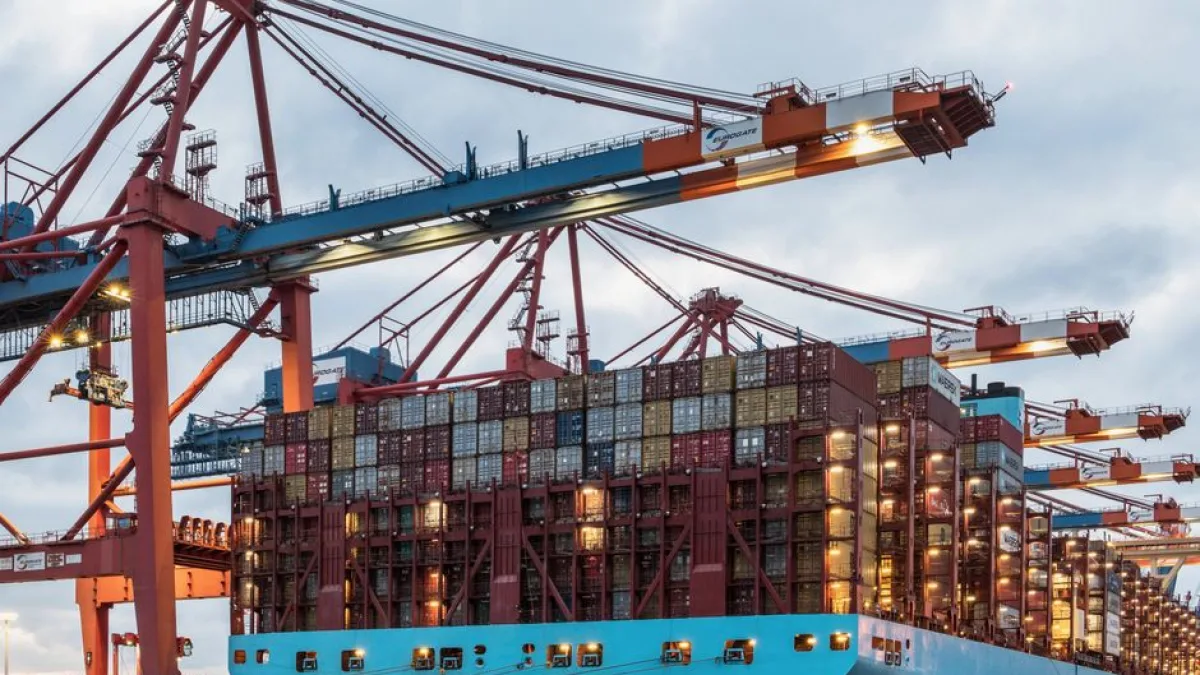
The strength of your freight forwarding business relies heavily on the quality and reliability of your carrier partnerships. Cultivating a robust network of trusted transport providers ensures that you can always secure space even during peak demand, providing you with a significant competitive advantage over other forwarders.
- Performance tracking metrics: Monitor your carriers through consistent data analysis, focusing on key performance indicators such as transit time accuracy, equipment availability, and overall pricing competitiveness regularly.
- Strategic collaboration tools: Utilize shared digital platforms to communicate directly with carriers, ensuring that booking confirmations, load tenders, and payment terms are synchronized and clearly documented daily.
- Diverse carrier portfolios: Maintain a balanced mix of ocean, air, and ground transport partners to ensure you have reliable options available regardless of specific market fluctuations.
- Regular performance reviews: Conduct periodic audits of your top carrier partners to discuss service quality and operational challenges, fostering a collaborative environment that encourages mutual business success.
Maintaining a strong carrier network is essential for navigating the volatility inherent in global logistics today. By treating carriers as strategic partners rather than simple service providers, you secure better rates and higher priority during capacity shortages. This collaborative approach enhances your firm's stability and ensures that your customers receive consistent, high-quality service regardless of external market pressures or industry supply chain constraints.
Leveraging Automated Financial Tools

Financial management in freight forwarding is notoriously complex due to the frequent fluctuations in exchange rates and surcharges. Implementing automated accounting solutions helps forwarders maintain precise cash flow records, simplify billing cycles, and ensure that every service rendered is captured accurately within their cloud-based management platform.
- Automated invoice generation: Reduce billing errors by automatically generating invoices based on completed job milestones, ensuring that your clients receive accurate and timely charges for every service.
- Real-time profit analysis: Analyze the profitability of every individual shipment by tracking direct costs versus revenue in real-time, allowing for smarter pricing strategies on future quotes.
- Integrated payment gateways: Offer your customers convenient online payment options through your portal, which speeds up your cash collection process and reduces the administrative time for reconciliation.
- Seamless currency conversion: Utilize built-in financial features that handle multi-currency transactions, ensuring your accounting remains precise despite global fluctuations in exchange rates and various international surcharge fees.
Taking control of your finances through automation creates a more transparent and predictable business model. By eliminating manual bookkeeping errors and shortening the billing cycle, you improve your liquidity and overall operational efficiency. This level of financial precision allows you to make data-driven decisions that increase your bottom line, ensuring that your company remains profitable and resilient in a shifting economic environment.
Conclusion

Achieving success in the freight forwarding industry requires a strategic combination of digital integration and strong professional relationships. By focusing on visibility, documentation, carrier networks, and financial automation, you position your firm for sustainable growth in the modern market. Start by auditing your current processes today to identify which manual bottlenecks your team can replace with cloud-based solutions to enhance your overall performance.