Mastering Digital Logistics: Best Practices for Modern Freight Forwarders
Friday, August 28 2026

The global freight landscape is shifting rapidly as manual processes struggle to keep pace with the demands of modern supply chains. Freight forwarders today face mounting pressure to provide real-time visibility, faster documentation processing, and seamless communication across complex international networks. Relying on legacy systems or disconnected spreadsheets creates bottlenecks that hinder growth and damage client relationships. By embracing cloud-based automation and standardized workflows, forwarders can reclaim valuable time and elevate their operational efficiency. This guide explores essential strategies to help your team leverage technology to drive productivity, improve accuracy, and maintain a competitive advantage in a volatile international market.
Optimize Documentation Workflow

Managing shipment paperwork is often the most time-consuming task for logistics teams. By moving toward digital document management, firms can eliminate manual data entry errors and speed up the release of cargo at busy customs checkpoints and inland transit points.
- Centralized document storage: Keeping all shipment files in a single cloud location ensures that your entire global team accesses the latest version without searching through cluttered email folders or drives.
- Automated data extraction: Intelligent systems can pull key information from invoices and packing lists directly into your software to reduce the time spent on manual typing and verification.
- Standardized filing protocols: Adopting consistent naming conventions across your organization makes it easier to retrieve archived shipment records during audits or whenever a client requests historical tracking information.
- Digital signature integration: Implementing electronic signature tools allows you to finalize contracts and release documents instantly instead of waiting for physical mail or multiple scanning and printing cycles.
Transforming how your agency handles paperwork is the primary step toward scaling operations without adding overhead. Digital archives allow for instant retrieval and improved compliance monitoring during stressful peak seasons. When every document is searchable and secure, your team can resolve client queries in seconds rather than hours. Start transitioning your manual filing cabinet systems to a cloud repository to unlock significant workflow efficiency gains.
Enhance Real-time Shipment Tracking
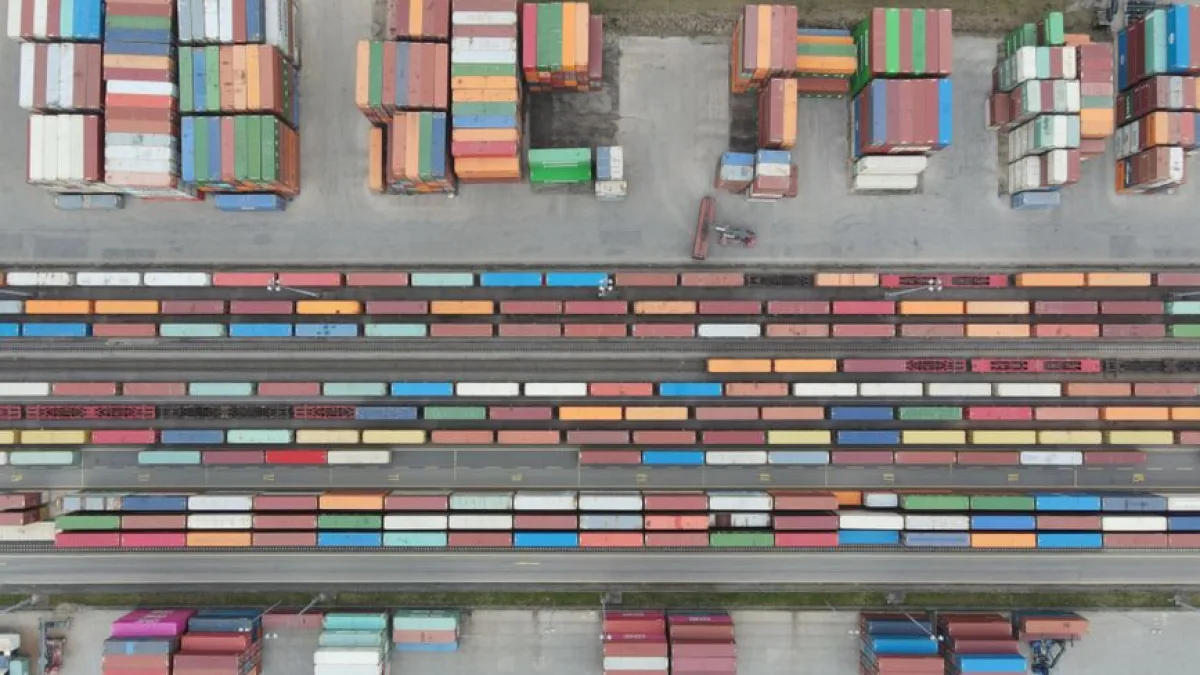
Customers expect instant updates regarding the status of their cargo regardless of the transit mode. Providing proactive tracking data reduces the volume of inbound inquiries and builds long-term trust by keeping your clients informed before problems even arise today.
- Real-time status updates: Offering automated notifications through your software keeps stakeholders informed of every milestone from warehouse departure to final delivery at the destination port or warehouse.
- Interactive client portals: Allowing your customers to log in and view their current shipment status removes the need for frequent phone calls and repetitive status update emails.
- Exception management alerts: Setting up automated flags for delays or transit changes ensures your staff can address issues immediately rather than discovering them through customer complaints later.
- Carrier integration sync: Connecting your platform directly to steamship lines and airline APIs ensures that you are receiving the most accurate tracking data without manual input.
Visibility serves as the cornerstone of excellent customer service in the freight industry. When you empower clients with a portal to view their own logistics milestones, you reduce the operational burden on your support staff significantly. This transition from reactive updates to proactive information sharing turns your freight forwarding services into a high-value partnership that retains clients for many years.
Improve Cross-team Communication

Communication breakdowns often occur when different departments or international agents operate in silos. Bridging these gaps with shared digital tools ensures that everyone works from the same set of facts, preventing costly errors in transport planning and delivery.
- Shared activity logs: Recording all communications directly within the shipment file ensures that any team member can pick up a conversation where someone else left off perfectly.
- Integrated chat features: Using internal messaging tools within your freight software keeps critical shipment discussions away from busy personal email inboxes where they might be easily lost.
- Agent collaboration portals: Providing overseas partners with specific access to your platform helps synchronize shipment milestones and ensures that documentation remains aligned across every border crossing.
- Task management boards: Visualizing upcoming tasks allows managers to balance workloads across the team and prevents key shipping deadlines from being missed during busy operational periods.
Unified communication platforms act as the central nervous system for your freight forwarding business. By stripping away the layers of fragmented emails and phone calls, you create a seamless flow of information that keeps your logistics team synchronized. This level of clarity prevents double work and ensures that all stakeholders understand their responsibilities clearly, resulting in faster shipment turnaround times and happier clients.
Leverage Data for Growth

Data provides the insights necessary to make smart decisions about carrier partners and routing strategies. Analyzing historical performance metrics helps you identify cost-saving opportunities and refine your service offerings based on real-world shipping trends and patterns seen daily.
- Carrier performance metrics: Monitoring how often specific carriers meet delivery windows allows you to select the most reliable partners for your clients, minimizing the risk of cargo delays.
- Profitability analysis reports: Tracking costs and revenue per shipment helps you pinpoint which trade lanes or service types are generating the best margins for your company.
- Trend forecasting tools: Using your historical shipment data can reveal seasonal patterns, allowing you to prepare your resources in advance for predicted surges in freight volume requests.
- Automated billing analytics: Reviewing invoicing cycles through data dashboards helps identify outstanding payments faster and improves your overall cash flow management throughout the fiscal calendar year.
Translating raw shipping numbers into actionable insights is what distinguishes top-performing forwarders from the rest. When you understand your operational costs and carrier reliability metrics, you gain leverage during rate negotiations and service planning. Make data-driven decisions the standard for your management team to drive growth and ensure that your company remains profitable while delivering consistent value to your shipping customers.
Conclusion

Integrating these best practices into your daily operations will position your freight forwarding firm for long-term success. By digitizing documents, improving transparency, fostering communication, and utilizing data, you simplify complex tasks and enhance the client experience. Start evaluating your current software capabilities today to determine where your team can automate workflows. Building a modern logistics foundation is the smartest investment for your business future.