Mastering Digital Logistics: Best Practices for Modern Freight Forwarders
Saturday, August 29 2026

Modern freight forwarding is undergoing a massive transformation driven by cloud technology and the urgent need for visibility across complex global supply chains. As businesses demand faster, more reliable transit times, freight forwarders must transition from manual spreadsheets to automated digital platforms to stay competitive. This shift involves optimizing communication, securing data, and leveraging real-time analytics to manage cargo movements effectively. By embracing these innovative digital strategies, logistics providers can reduce operational overhead, minimize human errors, and provide superior service levels that foster long-term client loyalty in an increasingly crowded and volatile international marketplace.
Leveraging Real-Time Cargo Visibility
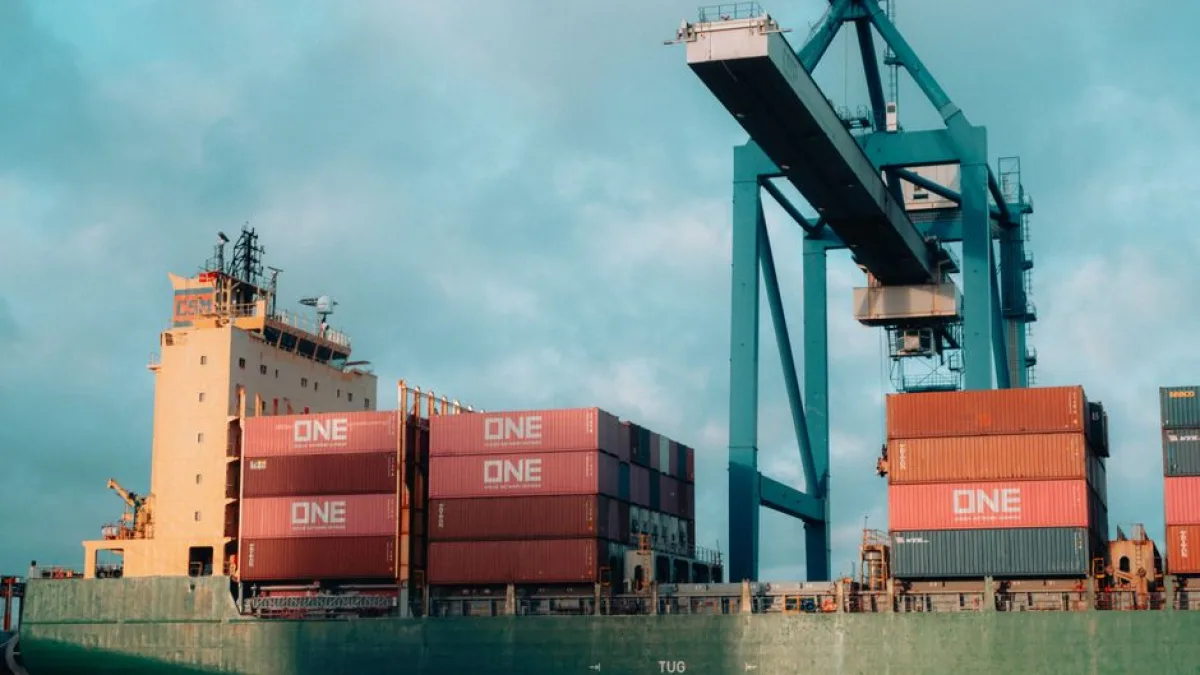
Real-time data provides logistics teams with a massive competitive edge by tracking shipments across borders. Advanced software allows stakeholders to monitor exact coordinates, ensuring that any delays or potential disruptions are managed proactively before they impact delivery timelines for clients.
- Proactive Incident Response: Automated alerts allow your team to react instantly to vessel delays or port congestion, ensuring that clients remain informed with accurate data regarding their current shipments.
- Enhanced Client Trust: Sharing live tracking links with customers fosters transparency and confidence, positioning your business as a professional partner that values reliability over traditional opaque logistics methods.
- Reduced Operational Stress: Centralized dashboards eliminate the need for manual status updates, freeing your staff from constant phone inquiries so they can focus on high-value logistical tasks.
- Better Resource Allocation: Accurate visibility enables smarter fleet management and warehouse scheduling, helping you optimize space and time across your entire global logistics network every day.
Adopting digital tracking is no longer an optional luxury but a core necessity for forwarders aiming to scale operations. By implementing comprehensive monitoring tools, your team gains a birds eye view of the entire movement process, allowing for quicker decision-making and better resolution of unexpected issues. This transition significantly elevates your service standard while maintaining consistent, high-quality results throughout the entire cargo journey.
Streamlining Documentation and Compliance

Managing global trade requires strict adherence to complex customs regulations and extensive documentation. Automation software simplifies these demanding tasks, reducing the risk of costly mistakes while ensuring that every shipment remains compliant with current international laws and regional trade policies.
- Automated Data Entry: Cloud tools extract information from bills of lading and invoices automatically, drastically reducing the time spent on repetitive manual tasks while minimizing human input errors.
- Compliance Tracking Features: Built-in regulatory databases update in real-time, ensuring that your shipments adhere to the latest customs requirements, preventing expensive holds at major international transit hubs.
- Simplified Paperless Workflow: Digital storage solutions create a secure, searchable archive of all shipping documents, making internal audits and client requests much faster and easier to manage.
- Secure Cloud Access: Authorized personnel can retrieve important files from anywhere in the world, facilitating seamless collaboration between remote teams and international partner agents during transit.
Documentation errors are often the primary cause of shipment delays in international trade. By moving these workflows into an automated system, your firm guarantees consistency and accuracy across every single file. This focus on digital precision protects your professional reputation, ensures regulatory compliance for every client, and allows your team to handle larger volumes of cargo without increasing the total administrative burden.
Optimizing Partner and Vendor Relations

Successful freight forwarding relies heavily on maintaining strong relationships with carriers, trucking companies, and overseas agents. Digital platforms facilitate better communication by creating a shared environment where everyone can collaborate efficiently, share documents, and resolve logistical challenges without slow email threads.
- Integrated Communication Channels: Dedicated messaging platforms within your software keep all conversation history alongside relevant shipment files, ensuring no vital context is lost during long project cycles.
- Centralized Vendor Portals: Giving partners access to a secure portal allows them to upload updates or documents directly, which saves your team time and prevents miscommunication.
- Performance Metric Tracking: Use data tools to evaluate partner efficiency based on past transit times, helping you select the most reliable vendors for future urgent shipments.
- Unified Global Network: Connecting your agents through a single cloud platform ensures that everyone follows the same process, standardizing service quality across every international transit leg.
Strong relationships lead to better rates, increased flexibility, and more reliable service for your customers. By utilizing digital tools to keep partners aligned, you create a cohesive network that operates with high efficiency and shared goals. Investing in these connections transforms your business from a simple service provider into an indispensable strategic partner that manages global logistics with ease and sophistication.
Enhancing Cyber Security Protocols

As the logistics industry digitizes, it becomes a target for cyber criminals looking to exploit sensitive data. Protecting client privacy and shipping manifests is vital for maintaining trust and operational stability, requiring robust security measures integrated directly into your software infrastructure.
- Advanced Encryption Methods: Ensure all information moving through your digital platform is protected by high-level encryption, preventing unauthorized parties from accessing confidential client or financial company details.
- Role Based Access: Limiting data visibility to specific employee roles prevents accidental leaks and ensures that sensitive information is only shared with those who truly need it.
- Regular Security Audits: Conduct frequent reviews of your software platforms to identify and patch potential vulnerabilities before they become entry points for malicious cyber activity or hackers.
- Secure Backup Solutions: Automated cloud backups ensure that your critical shipping data remains safe and recoverable even in the event of hardware failure or a cyber attack.
Security is the foundation of all professional logistics operations in the modern era. By prioritizing these safety standards, you protect your clients assets and your company reputation from the risks associated with digital integration. A commitment to cyber security demonstrates your professionalism and gives partners the peace of mind they need to trust your firm with their most important cargo shipments.
Conclusion

Adopting advanced technology allows freight forwarders to thrive in a competitive market by improving efficiency and accuracy. By focusing on visibility, compliance, communication, and security, your firm will achieve superior operational standards that delight clients. Start integrating these best practices into your daily workflow today to drive sustainable growth and excellence. Embrace the future of logistics by modernizing your digital operations with MakeCargo now.