Mastering Digital Logistics: Best Practices for Modern Freight Forwarders
Tuesday, September 1 2026

The global shipping landscape is changing at an unprecedented pace, requiring freight forwarders to adapt or risk falling behind. Manual processes and siloed data systems are becoming significant liabilities that prevent companies from scaling effectively. By embracing digital transformation and cloud-based management tools, forwarders can enhance their operational transparency while significantly reducing administrative errors. This article explores essential strategies designed to help your team navigate current industry challenges with precision. Implementing these best practices will not only improve your daily workflow but also provide your clients with the real-time visibility and reliability they demand in a competitive marketplace today.
Optimising Operational Visibility
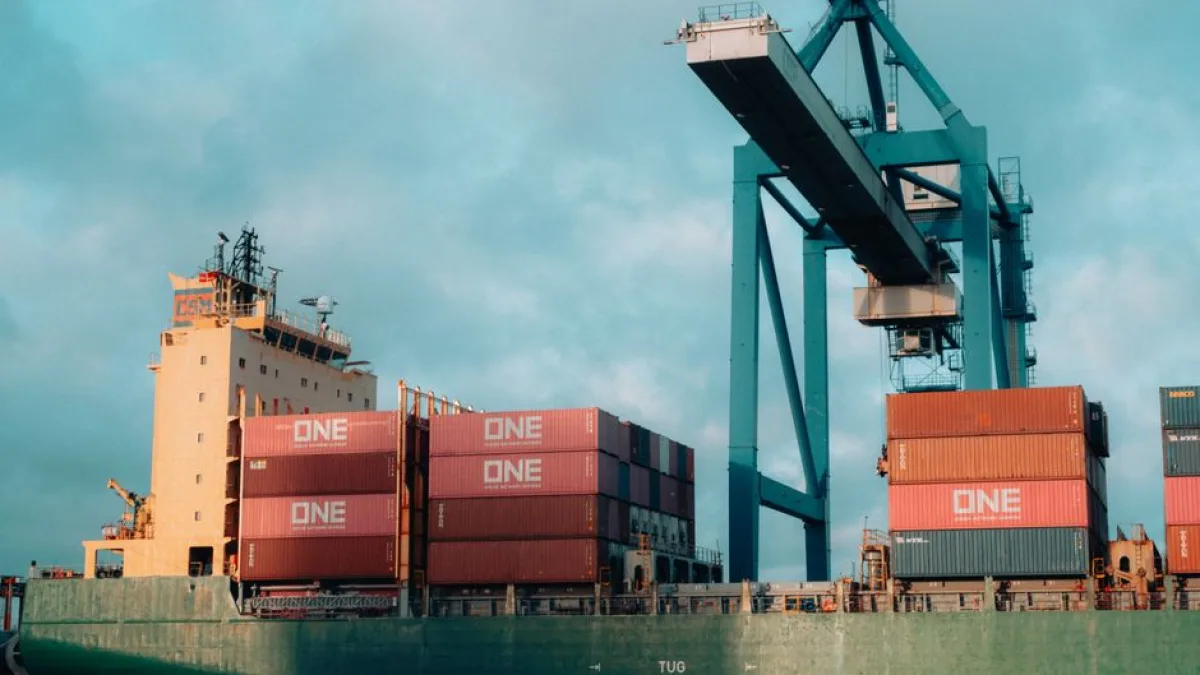
Achieving total transparency across your supply chain requires real-time data integration that connects your team with partners instantly. By monitoring every shipment movement, you can proactively identify bottlenecks before they impact your customers, ensuring a seamless flow of goods across global logistics networks.
- Real-time tracking systems: Implement integrated digital tracking platforms that provide constant updates on cargo status to eliminate manual inquiries and reduce the workload for your busy customer service departments.
- Data synchronization tools: Utilize centralized cloud databases to ensure that every stakeholder accesses the same accurate shipment documentation, preventing communication gaps and minimizing the risk of costly administrative errors.
- Automated status updates: Configure your software to send automatic notifications to clients whenever a milestone is reached, keeping them informed without requiring manual intervention from your logistics coordinators.
- Proactive issue resolution: Leverage predictive analytics to detect potential shipping delays early, allowing your team to initiate contingency plans quickly and maintain high levels of client satisfaction throughout.
- System integration capabilities: Connect your forwarding platform with carrier APIs to pull essential shipping data directly into your dashboard for immediate analysis and improved overall operational oversight today.
Adopting advanced visibility tools transforms how you interact with your clients and carriers. Instead of spending hours tracking down manual updates, your staff can focus on high-value logistics tasks that grow your business. This shift toward digital transparency builds long-term trust, establishes your firm as a reliable industry leader, and ensures that your operations remain efficient regardless of fluctuating global shipping market conditions.
Streamlining Documentation Workflows

Managing complex shipping documents manually consumes valuable time and introduces risks associated with human error. Digitizing your paperwork process ensures that every bill of lading, customs form, and commercial invoice is stored, managed, and processed with consistent precision and speed.
- Cloud document storage: Migrate all physical paperwork to a secure cloud platform that enables team members to access, edit, and share files from any location with complete security.
- Automated form generation: Use intelligent software features to auto-populate shipping forms using existing client data, which drastically reduces the time spent on repetitive manual entry and clerical tasks.
- Electronic signature integration: Adopt e-signature solutions to accelerate the approval process for essential legal documents, removing the need for physical printing, scanning, or mailing of important papers.
- Customs compliance checks: Implement automated validation workflows that flag missing information or regulatory errors in customs declarations before documents are submitted to avoid delays and costly legal penalties.
- Centralized version control: Maintain a single source of truth for every transaction by ensuring that all document versions are tracked, logged, and updated within one master system.
Efficient documentation management is the backbone of successful freight forwarding companies everywhere. By removing paper-based bottlenecks, your team can process more shipments in less time while significantly reducing the probability of human mistakes. This optimized workflow empowers your staff to focus on complex logistics challenges, ultimately improving your company's bottom line and ensuring smooth, compliant transit for every single one of your customers.
Enhancing Client Communication Strategies

Clear communication is the primary factor that differentiates top-tier freight forwarders from their competitors. Providing your clients with professional, timely, and data-driven updates fosters strong relationships, encourages repeat business, and demonstrates your commitment to transparency in a complex global shipping market that often lacks clarity.
- Personalized client portals: Provide each customer with a dedicated login to access their shipment history, financial reports, and current status updates whenever they need that specific information.
- Consistent update intervals: Establish automated communication cadences that provide clients with regular progress reports, ensuring they always feel connected to their cargo during the entire transportation process.
- Proactive anomaly reporting: Communicate potential challenges to your customers before they become major problems, offering solutions and transparent timelines to maintain confidence even during difficult logistics scenarios.
- Feedback collection loops: Actively gather input from your clients regarding your service performance to identify specific areas for improvement and demonstrate your commitment to long-term quality assurance.
- Multi-channel support setup: Utilize an integrated messaging system that captures all client interactions in one place, preventing important details from being lost in individual email accounts.
Investing in superior communication tools creates a professional experience that clients genuinely appreciate. When you provide clear, actionable information, you alleviate stress for your customers and position your firm as an indispensable partner in their supply chain. This proactive approach to client service leads to higher retention rates and positive word of mouth, which are vital for sustainable growth in freight forwarding.
Leveraging Advanced Data Analytics

Data is a powerful asset that can provide insights into your performance, carrier reliability, and market trends. By analyzing your shipping metrics, you can make informed decisions that improve your margins and optimize your selection of transportation routes for maximum efficiency and profitability.
- Performance KPI monitoring: Track essential metrics such as average transit times, carrier costs, and documentation accuracy rates to identify specific opportunities for improvement within your daily freight operations.
- Carrier reliability scores: Analyze historical performance data for each carrier you use to make smarter selection decisions that minimize risks and ensure timely delivery for your customers.
- Route optimization insights: Review lane data to identify the most cost-effective and reliable shipping paths, allowing you to offer more competitive pricing to your valued client base.
- Profitability margin analysis: Evaluate the financial performance of individual shipments or clients to focus your resources on high-margin segments that contribute most effectively to your business growth.
- Predictive trend forecasting: Use historical shipping volumes to anticipate future market demand, enabling your team to prepare capacity and resources well in advance of peak seasons.
Data analytics removes the guesswork from logistics management by providing clear evidence to support your business decisions. When you understand your operations through a data-driven lens, you can improve efficiency, reduce unnecessary costs, and provide a superior level of service. Embracing these analytical best practices will ensure that your freight forwarding business remains resilient, competitive, and highly profitable in an evolving global landscape.
Conclusion
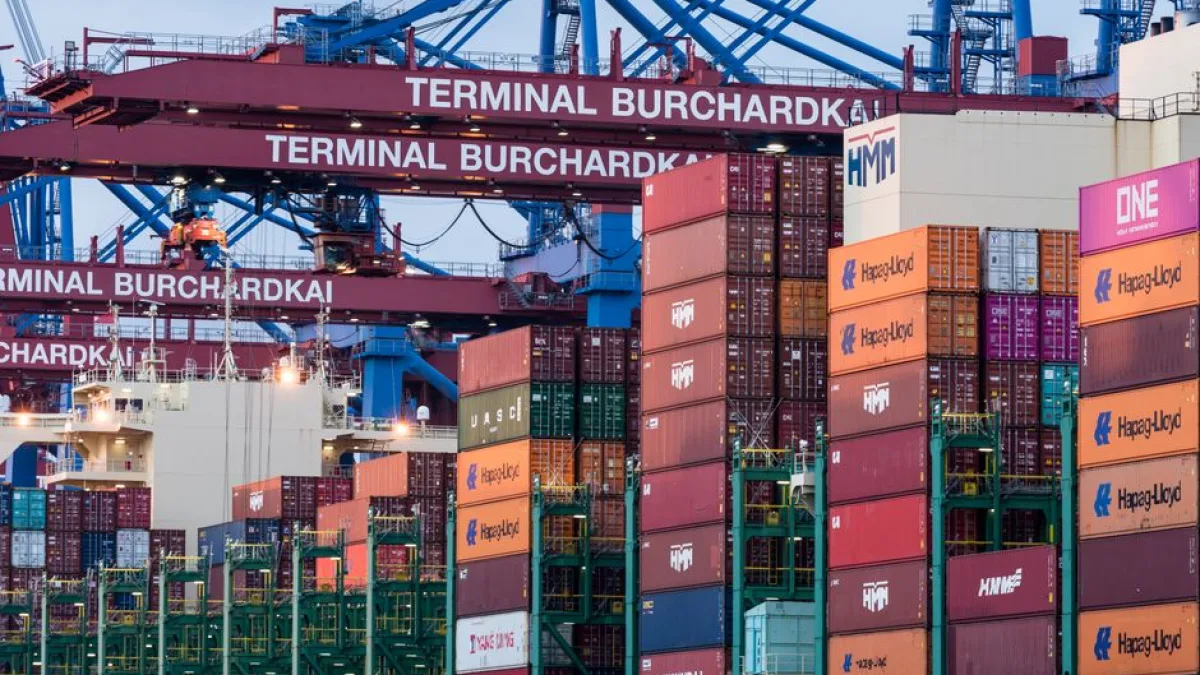
Mastering these operational strategies is essential for any forwarder looking to thrive in today's digital age. By focusing on visibility, documentation, communication, and data analytics, you build a foundation for long-term success. Start implementing these changes within your team today to experience improved efficiency and higher client satisfaction. Your commitment to modernizing your workflows will undoubtedly secure your position as a trusted industry leader.