Mastering Digital Logistics: Best Practices for Modern Freight Forwarders
Friday, October 9 2026

The global shipping landscape is evolving rapidly as traditional logistics processes shift toward integrated digital ecosystems. Freight forwarders today face immense pressure to maintain visibility, speed, and accuracy in an increasingly volatile supply chain environment. By adopting cloud-based platforms, professionals can transform manual data entry into automated workflows that save time and reduce costly errors. Modern logistics success depends on leveraging real-time data to provide superior customer service while keeping operational costs manageable. This guide explores essential strategies for forwarders aiming to optimize their operations and maintain a competitive edge in a demanding market that values efficiency above all else.
Streamlining Documentation Workflows

Effective document management remains the backbone of successful freight forwarding operations. When digitalizing your paperwork, the goal is to create a single source of truth that minimizes manual handling and prevents the loss of critical shipping information during transit.
- Standardized digital templates: Implement uniform document templates across your entire organization to ensure consistency, reduce the risk of clerical errors, and significantly accelerate the preparation of essential shipping manifests.
- Automated data extraction: Use advanced software tools to automatically pull key details from invoices and bills of lading, which minimizes manual typing tasks and increases overall speed.
- Centralized document repository: Maintain a secure cloud-based vault where every team member can instantly access updated files, ensuring that partners and clients receive accurate information every time.
- Real-time status updates: Connect your documentation process directly to live tracking tools so that stakeholders receive automated notifications whenever a new milestone or document becomes available.
By transitioning from physical filing cabinets to a centralized cloud environment, teams can eliminate the bottlenecks associated with paper-heavy processes. This digital shift allows employees to focus on high-value tasks rather than hunting for missing files. As consistency increases, your team will find it much easier to scale operations and handle complex logistics challenges with confidence and renewed professional agility today.
Optimizing Vendor Communication

Strong vendor relations determine the reliability of your logistics network. When communication channels are fragmented, delays often follow, making it vital to establish clear, digital protocols that keep all partners aligned on specific delivery timelines and requirements.
- Unified communication portals: Use a single platform to aggregate all vendor messages and updates, which prevents critical information from getting buried in scattered email chains or messages.
- Proactive milestone alerts: Set up automated triggers that notify your vendors immediately when specific actions are required, ensuring that tasks are completed within the designated time frames.
- Performance tracking metrics: Monitor the responsiveness of your shipping partners through integrated dashboard tools to identify which vendors consistently meet their promised service levels and deadlines.
- Transparent collaboration tools: Facilitate better teamwork by allowing multiple stakeholders to view shipment progress in real time, reducing the need for constant phone calls and status requests.
Optimizing how you talk to vendors saves hours of administrative overhead every single week. When all parties operate from the same digital dashboard, misunderstandings regarding cargo status or delivery requirements become rare occurrences. Building these robust communication habits creates a more resilient supply chain that stands up to unexpected disruptions while keeping your clients informed and satisfied at every turn.
Leveraging Real-Time Cargo Tracking
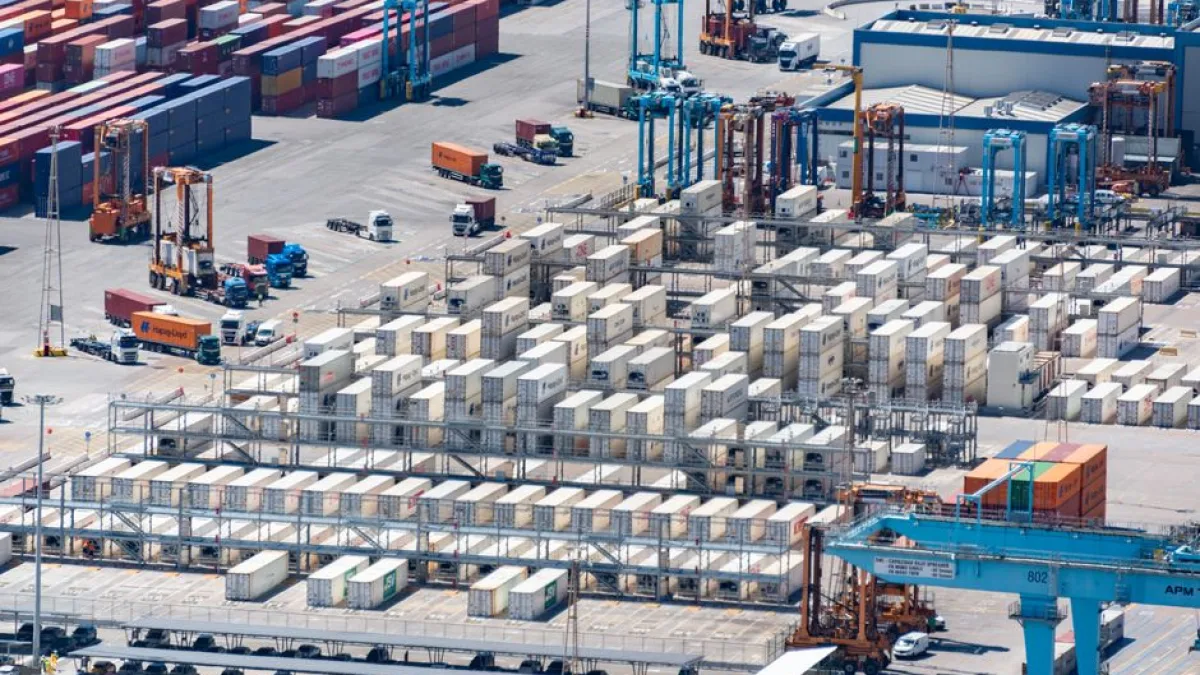
Visibility is the most requested feature from modern cargo owners. Providing clients with live tracking capabilities builds trust and positions your firm as a forward-thinking partner capable of managing their most sensitive goods across complex international transport routes.
- Live GPS integration: Connect your software directly to carrier feeds to provide granular location updates for every shipment, giving your clients exact visibility from origin to destination.
- Automated status notifications: Configure push alerts that notify clients of major transit milestones automatically, which eliminates the manual burden of sending constant status update emails.
- Dynamic route mapping: Visualize cargo movement on interactive maps to help clients understand potential delays caused by weather, port congestion, or other unforeseen global logistics factors.
- Exception reporting alerts: Develop internal systems that flag potential issues before they become crises, allowing your team to proactively solve problems before the client even notices them.
Offering superior transparency turns a basic shipping transaction into a premium logistics experience. When clients see that you prioritize their need for information, they are far more likely to remain loyal to your services for years. Integrating real-time tracking data not only enhances your reputation but also forces your internal operations to become more disciplined and highly responsive to changes.
Enhancing Financial Reporting Accuracy

Financial health drives long-term success for any freight forwarding business. By integrating your accounting processes with logistics software, you ensure that every invoice reflects real-world shipment data, which leads to improved cash flow and fewer disputes with your shipping customers.
- Integrated billing workflows: Link shipment milestones directly to the invoicing module so that charges are calculated instantly based on actual services rendered and agreed contract rates.
- Automated currency conversion: Utilize built-in tools to handle multi-currency transactions, which protects your margins from exchange rate fluctuations and simplifies your monthly financial reconciliation processes significantly.
- Detailed margin analysis: Review automated profit reports for every job to identify which routes or shipping modes offer the best return for your specific business goals.
- Streamlined payment reminders: Automate the delivery of payment reminders to ensure that your cash flow remains steady and your accounting department spends less time chasing late invoices.
Accurate financial tracking prevents revenue leakage that frequently plagues busy forwarders who rely on manual accounting methods. When your financial data is synced with operational performance, you gain a clear view of your company profitability in real time. This level of clarity empowers leadership to make informed decisions about future growth, expansion strategies, and pricing adjustments based on actual data rather than gut instinct.
Conclusion

Success in modern freight forwarding requires a commitment to digital transformation and consistent operational habits. By refining your document workflows, communication, tracking, and financial oversight, you position your firm to handle future industry demands with greater ease. Embrace these best practices to improve your team efficiency and provide unmatched value to your clients. Start optimizing your digital logistics strategy with MakeCargo today for better results.