Mastering Digital Logistics: Best Practices for Freight Forwarders
Tuesday, October 13 2026

The global freight forwarding landscape is evolving at an unprecedented pace, driven by consumer demand for transparency and the rapid digital transformation of supply chains. For professionals navigating this complex environment, staying competitive requires more than just traditional shipping expertise. It demands a commitment to modernizing operations through cloud based technology, precise data management, and proactive client communication strategies. By adopting standardized digital workflows, freight forwarders can mitigate risks, eliminate costly manual errors, and provide the seamless experience that today's global shippers expect. This guide outlines essential strategies to help your business thrive while maximizing operational efficiency across every touchpoint.
Optimizing Shipment Tracking Visibility
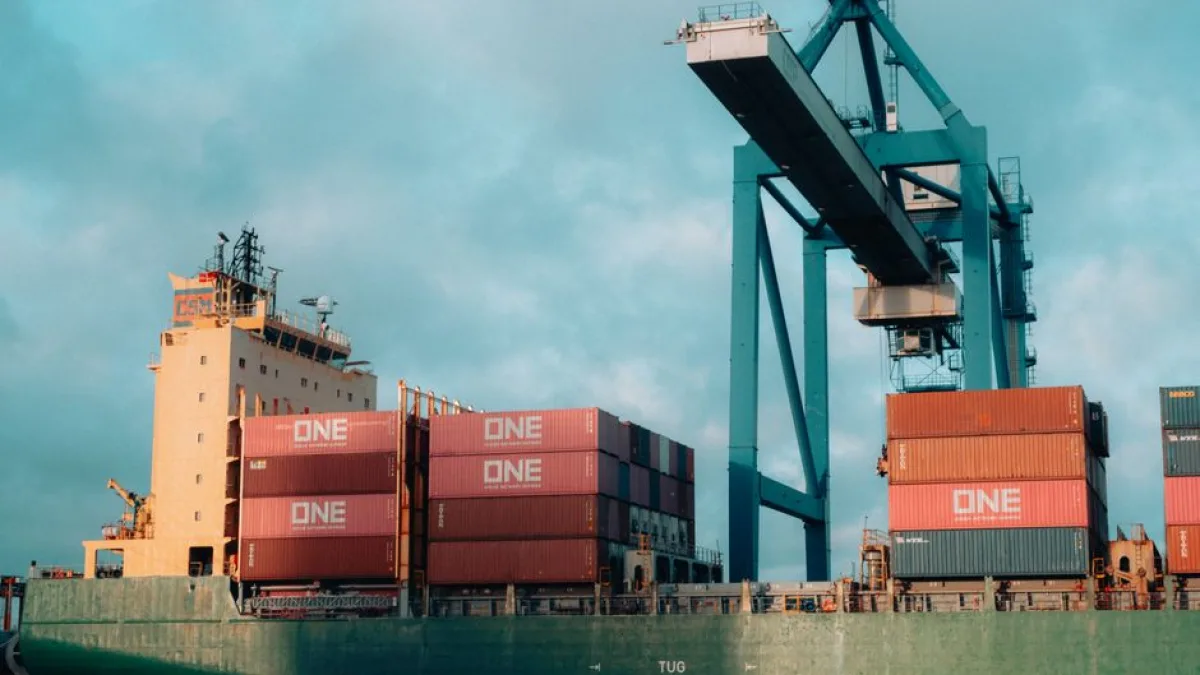
Real time tracking is no longer a luxury but a fundamental necessity for modern logistics operations. By leveraging digital platforms, forwarders provide clients with precise status updates, reducing the volume of manual status inquiry emails and improving overall client trust levels.
- Automated status updates: Integrate your tracking systems directly with carrier APIs to ensure that all stakeholders receive instantaneous notifications regarding shipment milestones and potential delivery delays throughout transit.
- Centralized data dashboards: Maintain a single source of truth for all global shipments to eliminate information silos and enable your team to react swiftly to unexpected disruptions.
- Proactive anomaly alerts: Set up automated triggers that notify your operations team immediately if a shipment deviates from its planned route or misses a critical scheduled connection.
- Enhanced client portals: Provide your customers with secure access to live shipment data so they can self-serve their information needs without calling your internal support teams.
- Historical data analytics: Use archived shipment reports to identify recurring bottlenecks or carrier performance issues, allowing you to refine your logistics network strategy for better future results.
By shifting to an automated tracking model, your team frees up hours of time previously spent on mundane status checks. This transition allows staff to focus on high value tasks such as resolving complex logistics issues or strengthening customer relationships. Consistent visibility builds a reputation for reliability in a competitive market, ensuring your agency remains the preferred logistics partner for long term shipping clients.
Streamlining Documentation Workflow

Managing global trade requires handling massive amounts of paperwork, from bills of lading to commercial invoices. Digital document management systems reduce risks of data entry errors, ensure compliance with international regulations, and keep sensitive shipping information secure yet accessible.
- Standardized digital templates: Utilize pre-configured document templates to ensure consistency across all shipping documentation, which drastically reduces the likelihood of customs clearance delays due to minor errors.
- Cloud document storage: Keep all shipping files in a secure, centralized cloud environment to allow for immediate document retrieval by authorized personnel from any office location.
- Collaborative editing tools: Enable multiple team members to update or review shipping documents in real time, preventing version control issues that often lead to communication breakdowns.
- Integrated compliance checks: Implement automated validation steps that flag missing information or incorrect data fields before documentation is submitted to customs authorities for final processing.
- Automated archiving systems: Automate the categorization and storage of finalized shipping documents to ensure your business remains audit ready and compliant with international record keeping requirements at all times.
Transitioning away from paper-based processes creates a streamlined environment where accuracy is the default standard. By eliminating repetitive manual filing tasks, you empower your staff to handle higher shipping volumes without needing to increase headcount. This operational agility is critical for scaling your forwarding business, as it ensures that documentation never becomes a bottleneck that slows down your entire shipping chain.
Effective Carrier Communication Strategies

Building strong, collaborative relationships with carrier partners is vital for securing space and negotiating better shipping rates. Clear communication channels ensure that both parties understand expectations and operational constraints, leading to smoother cooperation during peak shipping seasons or global supply chain disruptions.
- Regular performance reviews: Schedule recurring check-ins with your core carrier representatives to discuss volume targets, service reliability, and any operational challenges that arose during the previous period.
- Clear service level agreements: Define specific expectations regarding response times and space allocation early in your partnership to minimize future friction and ensure accountability during busy seasons.
- Digital booking integrations: Use integrated booking platforms to submit requests electronically, which reduces the chance of misinterpretation that often occurs during complex back and forth phone conversations.
- Transparent volume forecasting: Share your anticipated shipping volumes with carriers well in advance to help them plan their capacity requirements, resulting in more reliable service for your customers.
- Conflict resolution protocols: Establish a structured method for addressing service failures or invoice discrepancies so that disagreements are resolved quickly without damaging the long term carrier relationship.
Investing time in managing carrier relationships pays off during tight market conditions when space is at a premium. When carriers view your firm as an organized and predictable partner, they are more likely to prioritize your shipments during times of instability. Effective communication creates a buffer that helps protect your business and your clients from the most severe impacts of global capacity shortages.
Prioritizing Data Security Standards

As logistics operations become increasingly digital, protecting customer data and proprietary business information has become a top priority for forwarders. Cybersecurity threats are growing in sophistication, necessitating robust defense strategies to ensure your firm remains resilient against potential data breaches or system attacks.
- Multi factor authentication: Require all staff members to use multi factor authentication for accessing cloud platforms, which adds a crucial layer of security against unauthorized system entry attempts.
- Regular system audits: Conduct periodic security assessments of your digital infrastructure to identify and address vulnerabilities before they can be exploited by malicious actors or external hackers.
- Staff security training: Provide ongoing education for employees regarding common phishing scams and best practices for handling sensitive client documents to maintain a high level of awareness.
- Encrypted data transmission: Use secure, encrypted protocols for sending or receiving shipping documents, ensuring that client information remains protected from interception during transit across the global web.
- Automated backup protocols: Ensure your logistics data is backed up to secure offsite servers daily, allowing for rapid recovery in the event of an unexpected system failure.
Prioritizing data security protects not only your sensitive information but also the trust of your clients. A single security breach can cause irreparable damage to your professional reputation and lead to significant financial losses. By implementing modern security protocols, you create a safe digital workspace that allows your team to focus on growth while providing peace of mind to your global customers.
Conclusion

Transforming your freight forwarding business through digital tools and refined processes is essential for long term sustainability. By focusing on visibility, documentation accuracy, communication, and security, you position your firm as an industry leader. Start implementing these best practices today to streamline your operations and improve your overall service quality. Your commitment to modernization will drive significant competitive advantages in the evolving global logistics market.