Mastering Digital Shipping and Tracking for Modern Freight Forwarders
Friday, August 7 2026

In the fast-paced world of logistics, freight forwarders are constantly seeking ways to elevate their operational efficiency and client satisfaction levels. As global supply chains become more complex, the ability to provide real-time visibility is no longer a luxury but a fundamental necessity for business growth. Modern cloud-based platforms offer the tools required to bridge communication gaps between carriers, shippers, and agents. By centralizing data and automating routine updates, forwarders can focus on high-value strategy rather than manual status checks, ultimately driving success in an increasingly competitive digital-first global marketplace that demands speed and transparency at every milestone.
Optimizing Real-Time Visibility

Real-time visibility transforms how forwarders interact with their stakeholders by removing guesswork. By integrating live tracking data directly into a central dashboard, your team can provide instant updates that satisfy client expectations while simultaneously reducing the volume of incoming status inquiries.
- Automated Tracking Updates: Leverage direct API integrations with global carriers to receive automatic status changes that update your system without requiring manual data entry from your dedicated operations team.
- Client Visibility Portals: Provide your customers with a secure web-based portal where they can view live container coordinates and delivery milestones exactly when they need that critical information.
- Proactive Exception Management: Identify potential shipment delays before they become critical issues by utilizing predictive analytics that flag bottlenecks during the transit process for your professional oversight.
- Consolidated Shipment Data: Keep all documents, messages, and tracking numbers in one location to ensure that every team member has access to the most accurate current data.
Adopting a centralized tracking system allows your firm to transition from a reactive model to a proactive powerhouse. By offering your clients a clear window into their cargo journey, you build deep trust and long-term loyalty. This digital approach minimizes the time spent on repetitive tasks, enabling your staff to solve complex logistics problems rather than spending hours manually updating spreadsheets every single day.
Leveraging Cloud Integration Tools

Cloud integration acts as the digital backbone of the modern freight forwarding office. By connecting your shipping software with carrier portals and accounting systems, you create a seamless workflow that ensures accuracy across all financial and operational departments simultaneously.
- Seamless API Connections: Connect your existing logistics software to major ocean and air carriers to pull live tracking data directly into your cloud-based management platform immediately.
- Centralized Documentation Hub: Access essential shipping documents including bills of lading and commercial invoices through a secure cloud environment that is accessible from any geographic global location.
- Enhanced Data Accuracy: Eliminate human error by automating the transfer of tracking information from carrier websites into your internal database without needing any manual retyping work.
- Scalable System Infrastructure: Benefit from a flexible cloud architecture that grows alongside your shipping volume while ensuring that your data remains secure and accessible for all users.
The transition to cloud-based operations represents a significant leap forward for any forwarder looking to scale efficiently. When your tracking tools and documentation systems talk to each other, you eliminate the operational silos that typically hinder productivity. This interconnected environment allows for faster decision-making and improved accuracy, which are the two most important factors for maintaining a competitive edge in global trade.
Streamlining Client Communications

Communication is the lifeblood of freight forwarding, and modern tools help you manage client expectations with precision. Automated notifications ensure that every relevant party receives important status updates, which significantly reduces the need for constant phone calls and email follow-ups throughout the day.
- Automated Milestone Alerts: Configure your system to send triggered email or SMS notifications whenever a shipment reaches a major checkpoint during its journey to the final destination.
- Customized Reporting Tools: Generate automated reports for your clients that summarize shipping performance and key transit times, providing them with valuable insights into their own supply chain.
- Integrated Chat Functions: Enable secure messaging within the shipment record to keep all conversations relevant to a specific order in one place for future reference and audits.
- Professional Brand Alignment: Customize your outgoing tracking notifications and status updates to match your company branding, ensuring a professional look and feel for every client interaction.
By streamlining how you share information, you create a frictionless experience for your customers. Providing timely and accurate updates prevents confusion and builds a reputation for reliability. When clients feel fully informed, they are far more likely to return for future business. A well-managed communication strategy, powered by automation, is essentially the most effective tool for driving long-term growth and customer retention.
Data Security and Compliance
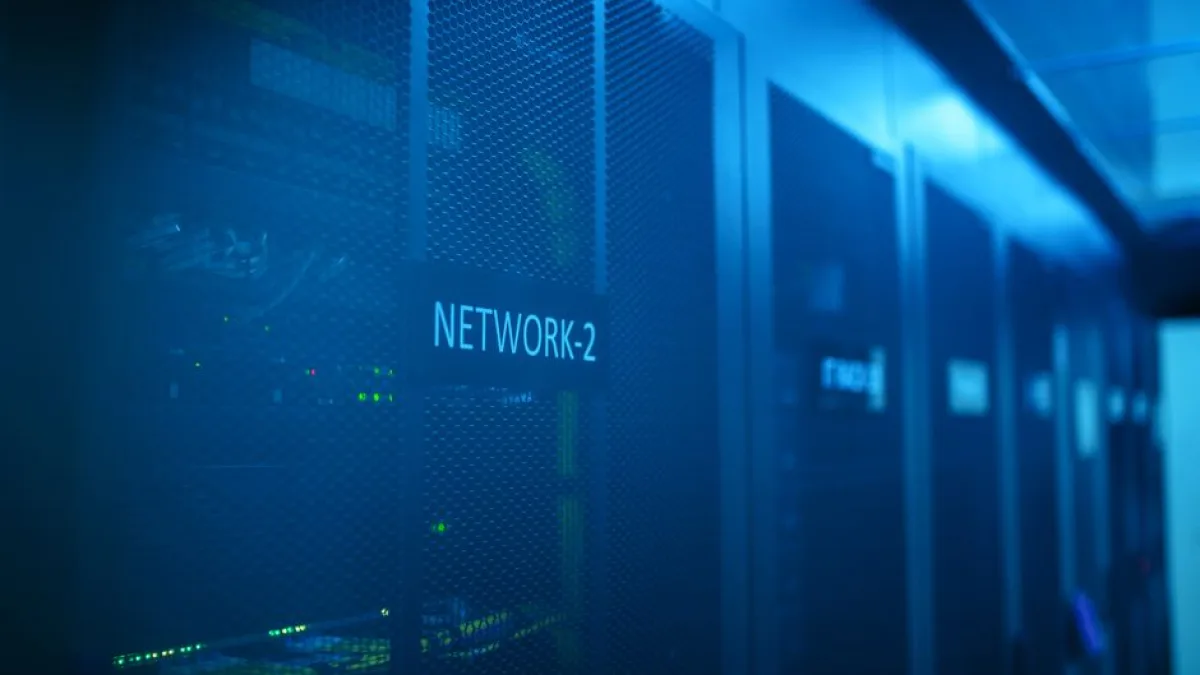
Protecting shipment data is vital for forwarders handling sensitive trade information for diverse international clients. Modern shipping software includes robust security protocols to ensure that your tracking data remains private, compliant with global regulations, and protected against the constant threat of cyber attacks.
- Encrypted Data Storage: Ensure all client information and shipment tracking history are protected by industry-standard encryption protocols that prevent unauthorized access to your private company and client records.
- User Access Control: Manage team permissions precisely so that every staff member only accesses the specific data needed to perform their job functions safely and efficiently daily.
- Audit Trail Tracking: Maintain a complete history of every change made to a shipment record to ensure full accountability and compliance during internal or external cargo audits.
- Regulatory Compliance Standards: Utilize software platforms that are updated regularly to meet international shipping regulations and data protection laws across all major operating regions and markets.
Security should never be an afterthought when choosing your logistics platform. By prioritizing data protection, you demonstrate to your clients that their sensitive trade information is in safe hands. A secure digital infrastructure not only protects your assets but also provides the peace of mind necessary to focus on expanding your business operations across borders without worrying about potential technical or legal threats.
Conclusion
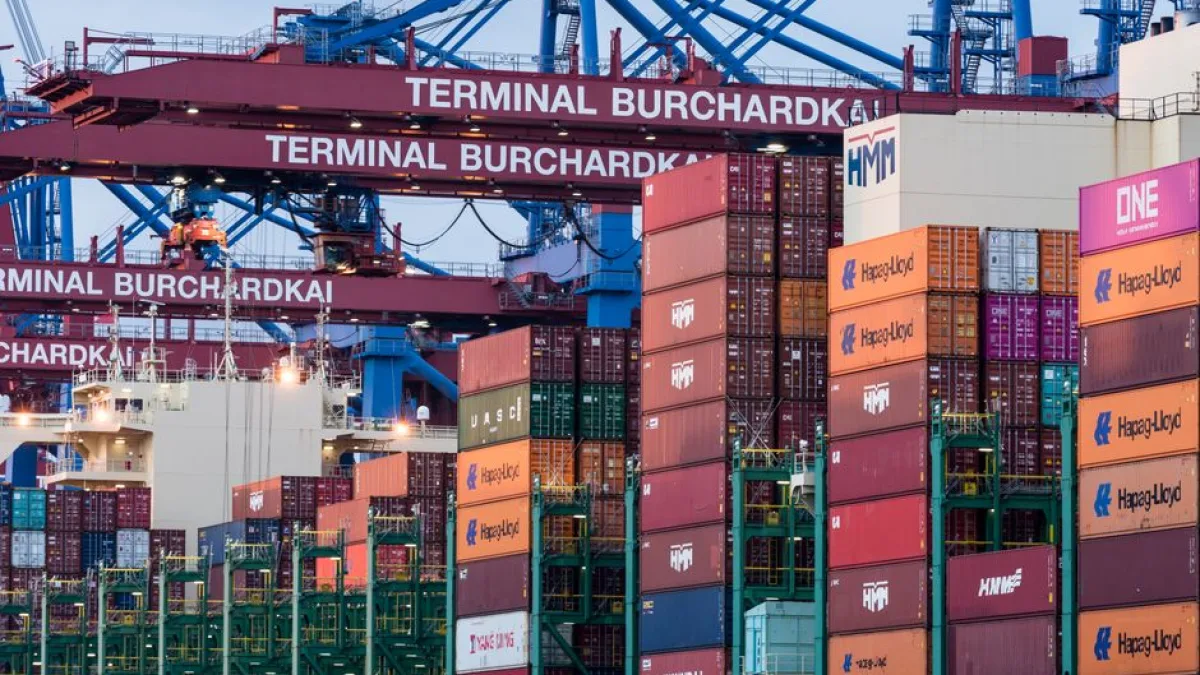
Modernizing your tracking capabilities is essential for staying relevant in the logistics industry. By utilizing cloud-based technology to automate updates and secure your data, you can significantly improve your operational efficiency. Evaluate your current software today to see how MakeCargo can help you streamline these critical processes, enhance client relationships, and ultimately drive sustainable growth for your freight forwarding business in 2024.