Mastering Digital Shipping and Tracking for Modern Freight Forwarders
Monday, August 17 2026
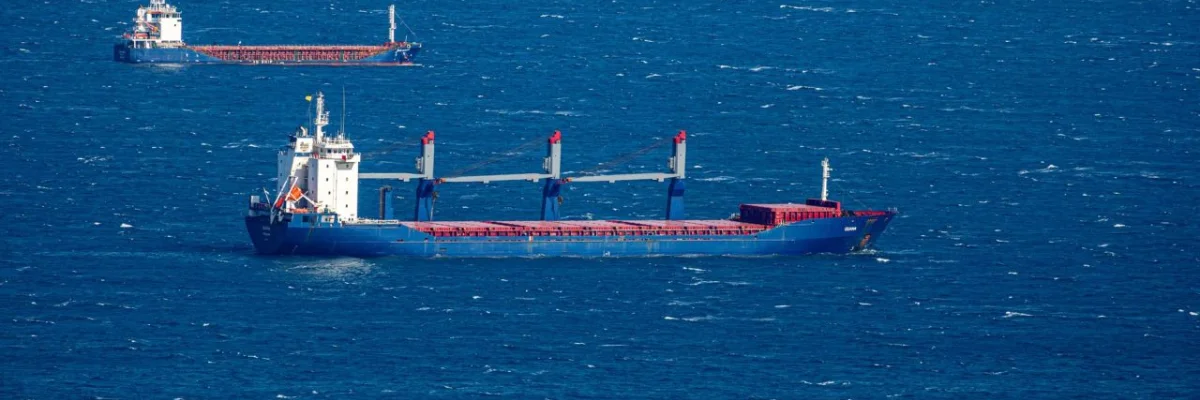
The global logistics landscape is undergoing a massive transformation driven by the demand for real-time visibility and operational efficiency. Freight forwarders are increasingly moving away from manual tracking processes to cloud-based platforms that provide accurate, automated updates for every shipment. By leveraging advanced data integration and centralized tracking tools, logistics providers can effectively mitigate risks, improve customer satisfaction, and maintain a competitive edge. This article explores how adopting robust shipping and tracking strategies empowers forwarders to handle complex supply chain challenges with precision, speed, and reliability, ultimately fostering stronger client relationships through unprecedented transparency and proactive management in a fast-paced market.
Optimizing Shipment Visibility
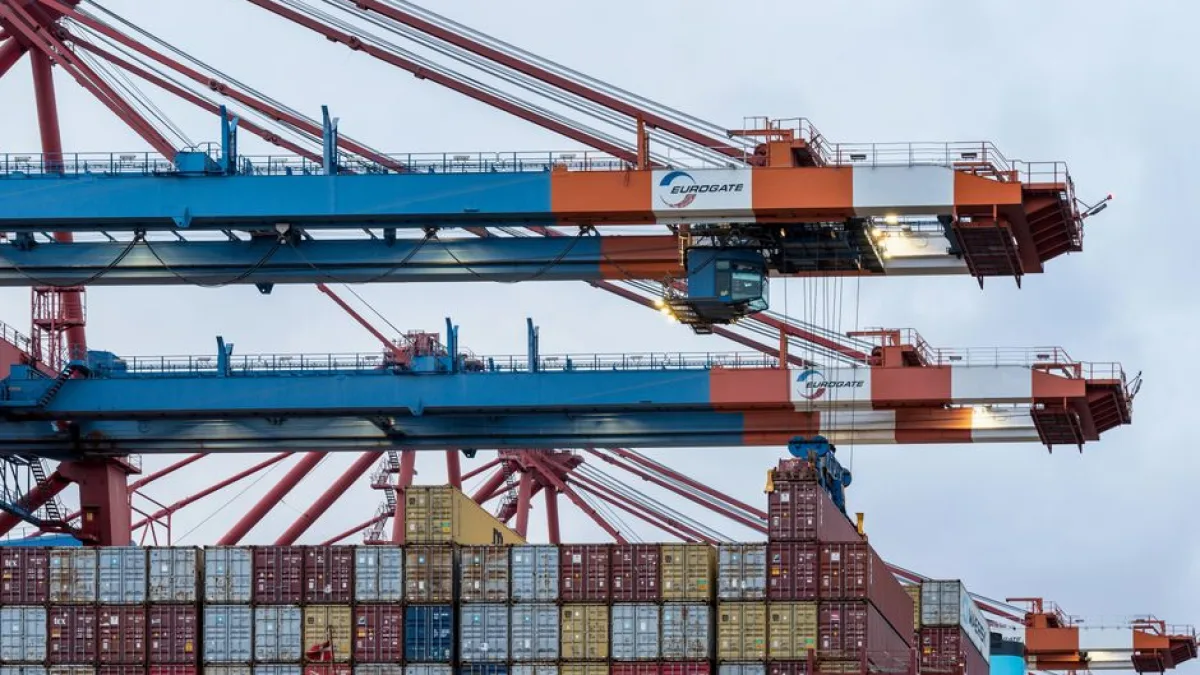
High-quality visibility begins with reliable data ingestion from ocean carriers, trucking partners, and terminal operators. By integrating these disparate data points into a single dashboard, freight forwarders eliminate information silos and provide stakeholders with clear, actionable insights throughout the transit journey.
- Real-time data synchronization: Our platform connects directly with carrier APIs to ensure that tracking milestones are updated instantly without the need for manual data entry or repetitive email inquiries.
- Automated milestone alerts: Configure personalized notification triggers for your customers so they receive proactive updates whenever a shipment departs, arrives at port, or clears customs through automated workflows.
- Centralized documentation access: Store all relevant shipping documents alongside tracking updates to ensure that your logistics team has immediate access to bills of lading and commercial invoices during transit.
- Predictive delay analytics: Utilize historical and live data to anticipate potential bottlenecks at specific ports, allowing your team to inform clients early and adjust routing strategies effectively.
Achieving total visibility is not just about knowing where cargo is, but understanding the context of every movement. When forwarders master these tools, they move from reactive problem solvers to strategic partners who anticipate issues before they impact the bottom line. This shift in operational maturity reduces stress for your staff while building immense trust with shippers who value transparency and reliability in logistics.
Enhancing Customer Communication

Seamless communication bridges the gap between complex logistics operations and the end client. By digitizing how information is shared, forwarders ensure that shippers remain informed, satisfied, and confident in the status of their cargo, reducing the burden on customer service teams.
- Self-service tracking portals: Give your clients 24-7 access to their own branded tracking portals where they can view status updates and documents without contacting your office staff directly.
- Custom notification preferences: Empower shippers to choose how and when they receive updates, ensuring they only get the information that matters most to their specific business operations.
- Unified messaging threads: Keep all communication related to specific shipments within the software to ensure that every team member has full visibility into client requests and updates.
- Mobile-friendly interface access: Ensure that your clients can check the status of their shipments while on the move using any smartphone device or tablet interface for convenience.
Strong customer communication turns a simple shipping transaction into a long-term partnership. When clients feel empowered by the information you provide, they are far more likely to remain loyal to your services even during market volatility. By using our digital tools to streamline your outreach, you save hours of administrative labor every single week while delivering a high-quality professional experience to every customer.
Leveraging Automated Workflow Systems

Automation is the secret weapon for scaling freight forwarding operations without ballooning overhead costs. By automating routine tracking tasks, teams can focus their energy on high-value activities like complex customs brokerage and strategic supply chain planning instead of manual data entry.
- Automated status mapping: Map various carrier status codes to your internal tracking terminology automatically so that your reports remain consistent regardless of which carrier is being used.
- Smart task assignment: Automatically assign follow-up tasks to your logistics team when a shipment deviates from the planned route or misses a critical transit milestone during movement.
- Bulk upload processing: Manage thousands of shipments simultaneously by importing tracking lists via spreadsheet, allowing you to update global cargo status updates in just a few minutes.
- Standardized reporting formats: Generate professional tracking reports for your clients with a single click, ensuring your brand image remains consistent and polished across every single document shared.
The transition toward automated workflows is essential for any forwarder aiming to grow their volume. When you remove repetitive tasks from the daily routine, your employees become more engaged and productive. By letting software handle the granular tracking details, your team gains the freedom to solve real-world logistical puzzles, ensuring your company remains lean, profitable, and capable of handling complex international shipping demands.
Building Proactive Exception Management

Exception management distinguishes top-tier forwarders from the rest of the market. Instead of waiting for a client to report a delay, proactive teams identify irregularities early, implement contingency plans, and communicate resolutions before the shipment is significantly compromised by unforeseen global logistical disruptions.
- Deviation alert thresholds: Set specific parameters that trigger an automatic alert when a shipment stops moving for an extended duration or deviates significantly from its primary path.
- Contingency planning tools: Store secondary routing options within your platform so that your team can quickly pivot shipments when primary ports or transportation lanes experience sudden closures.
- Collaborative problem solving: Share real-time visibility with your carrier partners to troubleshoot specific location issues directly, ensuring that multiple stakeholders are aligned on the path to resolution.
- Exception resolution logs: Track every incident and the steps taken to fix it to build a knowledge base that improves your response time for future shipping challenges.
Proactive exception management allows your business to thrive even when global supply chains are unpredictable. When you handle issues with speed and transparency, you turn potential disasters into showcases of your professional competence. By refining how you manage these moments, you secure your reputation as a reliable forwarder capable of navigating any crisis, which is a major value proposition for your future growth.
Conclusion

Digital transformation in the shipping and tracking sector is no longer optional for forwarders. By centralizing data, automating manual tasks, and focusing on proactive client communication, your team can achieve operational excellence. Start leveraging modern cloud-based software to gain complete control over your supply chain today. Contact our experts at MakeCargo to learn how our platform can specifically support your business growth objectives.