Mastering Digital Shipping and Tracking for Freight Forwarders
Saturday, October 10 2026

Modern freight forwarding relies on the seamless integration of digital tracking technologies to maintain visibility across complex supply chains. As global trade becomes increasingly volatile, professionals must shift from reactive manual updates to proactive data-driven monitoring. By leveraging cloud-based platforms like MakeCargo, forwarders gain the ability to pinpoint shipment locations in real-time, anticipate potential bottlenecks before they escalate, and communicate status updates to clients with absolute precision. This transition to digital oversight is no longer just a competitive advantage but a fundamental necessity for companies aiming to thrive amidst the pressures of modern logistics and demanding customer expectations.
Optimizing Real-Time Shipment Visibility
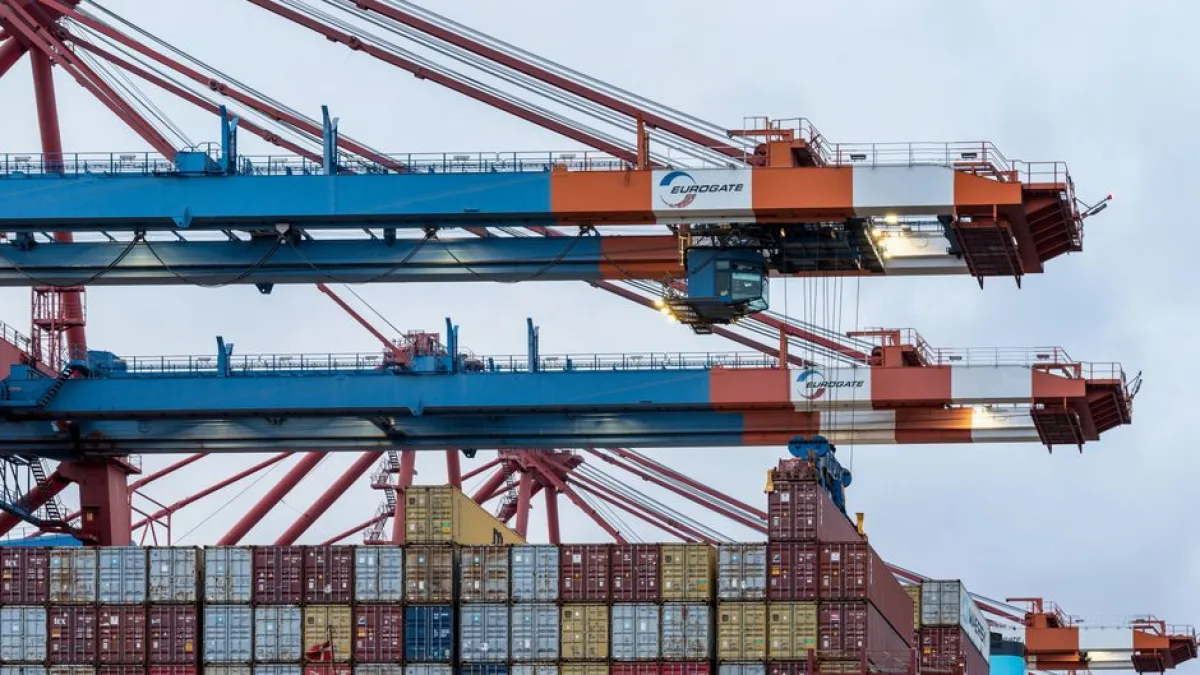
Real-time visibility transforms how forwarders interact with the supply chain by providing a live map of cargo movement across the globe. By digitizing tracking data, companies reduce human errors and foster trust with clients who require constant, accurate status reports.
- Cloud integration benefits: Moving data to the cloud ensures that all stakeholders access identical, up-to-date information simultaneously. This synchronization eliminates conflicting reports and improves overall logistics operational efficiency for teams.
- Automated status updates: Configure your system to trigger notifications whenever shipments pass key milestones. This automation reduces the administrative burden on your staff while keeping your customers perfectly informed.
- Hardware sensor data: Integrate IoT devices to monitor temperature or shock status during transit. Modern tracking platforms allow you to overlay sensor information directly onto standard shipping dashboards.
- Reduced manual communication: Clients often call for status updates that disrupt core workflow processes. Automated portals allow these stakeholders to find answers themselves without needing human intervention.
Achieving total visibility requires more than just standard tracking numbers; it demands a unified platform that aggregates data from carriers and ports. When you remove the barriers between fragmented systems, you create a transparent environment where information flows freely. This allows your team to dedicate their energy toward managing exceptions and solving complex problems rather than wasting valuable time chasing basic shipment updates.
Mitigating Risks Through Proactive Monitoring

Risk mitigation is the heartbeat of professional forwarding, requiring constant vigilance over weather patterns, port strikes, and sudden capacity constraints. Proactive monitoring tools allow forwarders to identify risks early, enabling them to pivot routes and protect their clients cargo effectively.
- Predictive delay analytics: Machine learning algorithms analyze historical shipping data to forecast potential delays. This foresight helps you adjust transit schedules before a minor issue develops into a major disruption.
- Port congestion tracking: Keep a close watch on regional port throughput metrics to avoid queues. Choosing alternative entry points can often save weeks of idle time for containerized shipments.
- Custom alert triggers: Set specific threshold alerts for vessel deviations or stop-over changes. Receiving immediate notification about unexpected route shifts enables rapid communication with all impacted supply chain partners.
- Route optimization tools: Compare different shipping paths based on cost, lead time, and risk profiles. Having multiple verified route options ensures you maintain cargo flow despite ongoing global challenges.
Navigating the unpredictable nature of global logistics necessitates a mindset geared toward constant assessment and adaptation. When you anticipate the hurdles that await a shipment, you transform from a passive carrier into a strategic partner for your clients. By using advanced monitoring software to flag anomalies, you provide a level of security that distinguishes your services in a crowded and noisy freight market.
Enhancing Customer Experience Through Transparency

Providing customers with exceptional transparency is a powerful tool for retention in the logistics industry. When clients have direct access to meaningful insights, they feel confident in your services and are far more likely to maintain long-term business partnerships.
- Client tracking portals: Offer a customized dashboard where customers can monitor their specific cargo movements independently. Providing self-service tools empowers clients and elevates your professional brand identity significantly.
- Automated email notifications: Design personalized update templates that convey essential information without overwhelming the recipient. Clarity and brevity in your communications reflect a high standard of professional excellence.
- Document access points: Make shipping documents like bills of lading easily retrievable within your tracking interface. Centralizing documentation reduces the time wasted searching through emails for critical shipping files.
- Performance transparency metrics: Share clear reporting on on-time delivery percentages and transit reliability statistics. Being honest about service levels builds massive trust and encourages collaborative problem-solving efforts.
Exceptional service is often defined by the clarity of information provided during a shipment transit. By simplifying how clients interact with their cargo data, you reduce anxiety and increase loyalty. A robust digital tracking interface serves as an extension of your customer service team, ensuring that high-quality information is available 24 hours a day, regardless of time zones or busy office hours.
Scaling Efficiency With Integrated Software

Scalability in logistics relies on the ability to handle larger volumes without increasing headcount proportionally. Integrated software platforms streamline your tracking tasks by automating routine processes, thereby allowing your staff to focus on high-value operations that generate revenue.
- Workflow automation rules: Define specific actions that trigger automatically when tracking status changes. Automating tasks like invoice generation or milestone logging keeps your office running smoothly at all times.
- Unified platform consolidation: Bring carrier API integrations into one centralized dashboard to simplify daily tracking. Reducing the number of browser tabs open helps your team stay focused.
- Scalable infrastructure growth: Choose cloud solutions that grow alongside your increasing shipment volume and client needs. Flexible software ensures your overhead remains controlled as your business enterprise expands.
- Collaborative team tools: Enable real-time commenting and task assignment directly within the shipment record. Internal communication is much more effective when data and discussion live in one place.
Building a scalable foundation is the key to achieving long-term profitability in the freight forwarding sector. When your software handles the repetitive logistics tracking requirements, your human experts are freed to handle complex negotiations and logistics strategy. Investing in a unified cloud platform allows you to scale your operations rapidly, ensuring that growth never compromises the quality of service your clients expect.
Conclusion

Adopting digital tracking technologies is the single most effective way to modernize your freight forwarding business. By focusing on visibility, risk management, customer engagement, and operational scalability, you set your firm apart from the competition. Leverage the power of MakeCargo to integrate these systems seamlessly and provide unmatched value to your clients. Start your digital transformation today to secure your future in global trade.