Mastering Digital Tracking for Modern Freight Forwarders
Saturday, October 24 2026
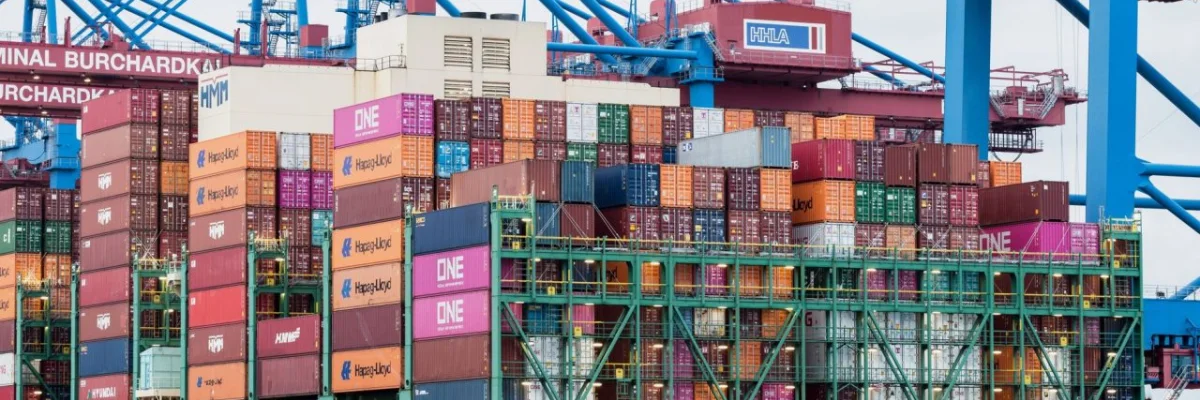
In the current logistics landscape, the ability to provide real time shipment visibility is no longer a luxury but a fundamental necessity for survival. Freight forwarders are increasingly tasked with managing complex global supply chains while meeting the rising expectations of shippers who demand constant updates. Adopting cloud based software solutions allows logistics providers to unify their operations, reduce manual errors, and provide a transparent experience for all stakeholders involved in the transportation process. By leveraging centralized data, your firm can transform traditional tracking workflows into efficient digital journeys that ultimately boost customer loyalty and drive long term operational growth.
The Evolution of Real Time Tracking
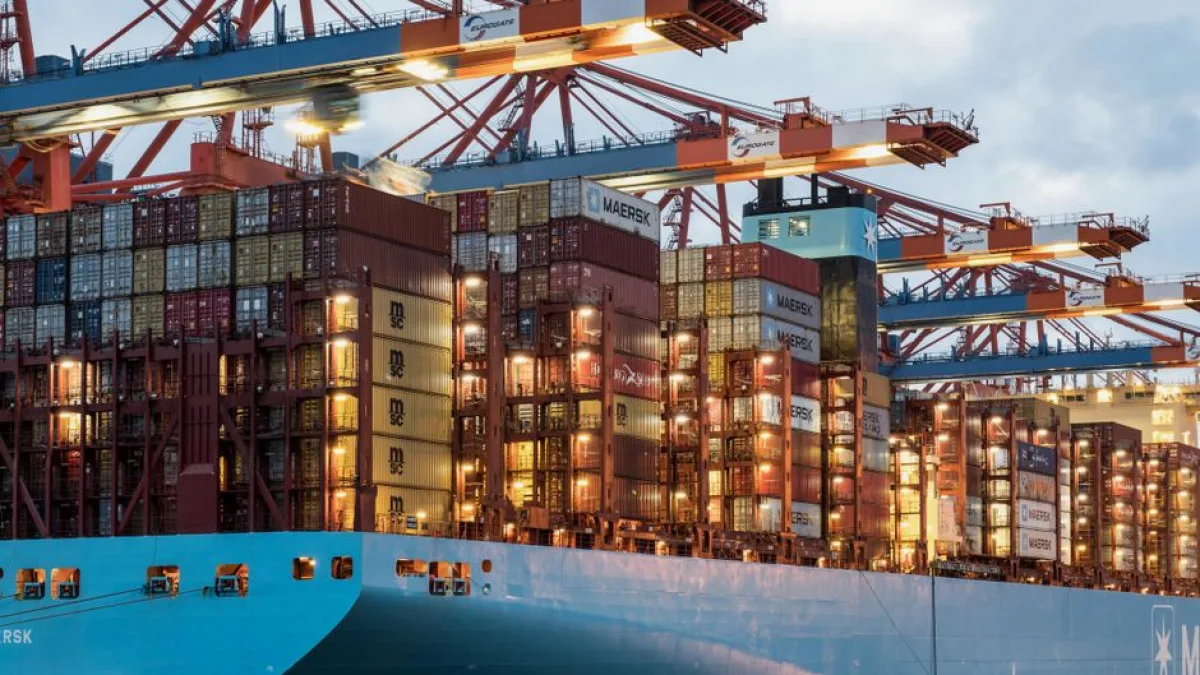
Digital tracking has moved past basic status updates toward a granular level of visibility that tracks every movement. Modern platforms integrate GPS and IoT technology to ensure that forwarders and their clients remain fully informed during every stage of transit.
- Automated Status Alerts: Proactive notifications ensure that your team receives instant updates regarding shipment milestones, allowing you to manage exceptions before they escalate into major customer service issues for clients.
- GPS Asset Tracking: Utilizing satellite technology provides precision regarding the geographic location of cargo, enabling forwarders to offer exact arrival predictions that improve overall logistics planning and inventory coordination.
- Multi-Carrier Integration: Connecting disparate carrier systems into a single dashboard eliminates the need for manual data entry, saving countless hours while providing a unified view of all shipments.
- Custom Dashboard Views: Tailoring tracking interfaces allows your clients to see exactly what matters to their specific needs, fostering trust through professional reporting and highly transparent shipment oversight tools.
Transitioning from static manual spreadsheets to dynamic automated systems requires a shift in mindset across your entire logistics organization. While the initial setup demands effort, the long term benefits of accurate data are immense. Your team will spend less time chasing status reports and more time resolving complex logistics challenges, ultimately creating a more resilient supply chain that stands out in a competitive market.
Optimizing Warehouse and Terminal Visibility

Managing inventory flow within distribution centers is a critical component of successful freight forwarding. High visibility tools ensure that goods moving through terminal gates are scanned and logged accurately to prevent costly delays during the complex international transshipment process.
- Integrated Terminal Data: Syncing terminal logs directly with your management software provides instant verification of container arrival times, which helps in scheduling drayage services with improved efficiency and lower costs.
- Barcode Scanning Tech: Implementing reliable scanning hardware streamlines the intake and sorting process, significantly reducing the chance of human error when cataloging incoming freight within your busy warehouse environment.
- Inventory Level Control: Keeping track of stock levels at every stop allows for proactive replenishment strategies, helping clients maintain their desired service levels without overstocking their distribution facilities globally.
- Dynamic Yard Management: Optimizing the physical layout of your terminal or yard ensures that cargo is organized based on priority, minimizing retrieval times for trucks and increasing overall facility throughput.
Effective management within the four walls of a warehouse or port facility directly influences the speed of outbound logistics. When your staff has the right technology at their fingertips, they perform faster and make fewer mistakes. This internal efficiency is the backbone of excellent customer service, ensuring that every piece of cargo stays on schedule from the initial warehouse pickup to final destination.
Navigating Disruptions with Intelligent Analytics

Logistics professionals face constant volatility, from weather delays to political instability. Analytical tools provide the foresight needed to pivot effectively when standard transit plans fail, ensuring that your clients face minimal impact even during highly challenging global shipping conditions.
- Predictive Delay Modeling: Using historical data to anticipate potential transit risks helps forwarders warn clients early, allowing for proactive routing changes that save time and reduce unnecessary supply chain costs.
- Alternative Route Mapping: Quick access to secondary logistics providers and alternate port options provides the agility needed to bypass congested zones, keeping the flow of critical goods moving forward.
- Capacity Utilization Analysis: Examining how space is used across your freight movements helps identify underperforming routes, allowing for better negotiation with carriers and improved profitability for your firm.
- Historical Performance Review: Assessing carrier reliability over time empowers your team to select partners who consistently deliver on their promises, reducing the risks associated with volatile global trade.
When you have access to deep analytical insights, you stop reacting to problems and start planning for them. This level of professional intelligence allows your forwarder business to offer value added services that go beyond simple cargo movement. By positioning your firm as a strategic partner rather than just a vendor, you secure long term contracts and build strong relationships with your most valued shippers.
Leveraging Cloud Software for Scalability

Cloud based platforms offer the flexibility needed to grow your freight business without being anchored by expensive legacy infrastructure. As your shipment volume increases, digital software scales alongside you, providing a robust foundation for consistent high quality global tracking operations.
- Scalable Storage Solutions: Cloud environments allow you to store massive amounts of shipping documentation and tracking logs securely, ensuring your data remains accessible from anywhere in the world always.
- Remote Access Capability: Enabling your staff to work from any location improves operational continuity, ensuring that tracking operations never stop even during unexpected office closures or global events.
- Automated Security Updates: Software providers handle the technical burden of cybersecurity and system updates, which allows your internal team to focus entirely on logistics instead of IT maintenance.
- Seamless Third-party APIs: Integrating with accounting or e-commerce platforms automates the flow of financial and order information, creating a closed loop system that saves your team valuable time daily.
Adopting a cloud first strategy is the most efficient way to future proof your freight forwarding operations. It ensures that your technology remains current and competitive without the high cost of manual system upgrades. When your team uses a unified platform, communication barriers disappear and efficiency becomes the standard, allowing your firm to handle more shipments with greater accuracy and less overhead cost.
Conclusion

Digital transformation in freight forwarding is the most reliable way to stay competitive in a crowded market. By centralizing tracking, optimizing terminal visibility, using analytics to manage risk, and embracing cloud technology, your company can provide superior service while lowering operational costs. Start your journey toward full digital integration today to ensure your firm remains a leader in the global logistics industry for years.