Mastering Digital Transformation: The Power of Customer Portals for Freight Forwarders
Monday, August 31 2026

In the modern logistics landscape, the digital divide between freight forwarders and their clients has never been more critical. As supply chains become increasingly complex, customers demand real-time visibility, instant document access, and self-service capabilities that manual email communication simply cannot provide. By deploying a robust customer portal, your business can bridge this gap, significantly reducing administrative overhead while boosting client loyalty. This transition is not merely about upgrading software but about fundamentally redefining how you deliver value. Embracing a digital-first approach ensures that your agency remains competitive, scalable, and prepared for the rapid demands of global trade.
Boosting Operational Efficiency

Streamlining internal operations starts by shifting repetitive client tasks to a self-service portal environment. When clients can retrieve their own data, your team is free to focus on solving complex logistical challenges rather than responding to constant status requests.
- Reduced Email Volume: Automating routine shipment status updates and document retrieval reduces the manual effort required from your customer service team to answer common inquiries during busy operating hours.
- Real-time Visibility: Providing your clients with a direct window into their shipment status improves transparency and trust by ensuring they always have access to current tracking data updates.
- Document Centralization: Hosting all bills of lading and invoices in a secure portal eliminates the search for misplaced files and ensures that clients access the latest version easily.
- Automated Reporting Tools: Allowing users to generate their own performance metrics and shipment summaries reduces the need for custom reports, saving hours of manual data entry every single week.
By shifting to an automated portal, you effectively minimize human error and prevent bottlenecks that typically plague high-volume forwarding offices. This infrastructure empowers your employees to move away from tedious data retrieval tasks and concentrate on high-value logistics management. As a result, you will see a measurable improvement in overall office morale, increased staff productivity, and a much more reliable service delivery for your stakeholders.
Strengthening Client Loyalty

Retaining your existing customer base depends on providing a seamless experience that makes their daily operations easier. A well-designed customer portal acts as a long-term asset that binds clients to your platform through consistent, reliable, and user-friendly digital interactions.
- Improved Brand Perception: Presenting a professional and modern digital interface signals to your clients that your freight forwarding firm is tech-forward and capable of handling complex logistics requirements.
- Enhanced Communication Transparency: Clear digital trails for every message and request ensure that expectations are managed properly and both parties remain aligned on critical shipment milestones and tasks.
- Self-Service Convenience: Enabling 24/7 access to account history and shipment documentation allows international clients in different time zones to work with your team without any delays.
- Personalized Account Views: Offering custom dashboards that highlight specific trade lanes or container types allows clients to focus on the information that matters most to their business.
When clients interact with your portal daily, they become deeply integrated into your digital ecosystem. This level of convenience makes it difficult for them to switch to competitors who rely on fragmented, email-heavy processes. By prioritizing user experience, you create a stickiness that protects your revenue and provides a competitive advantage that is difficult for other logistics providers to replicate or undermine.
Scalable Growth Strategy
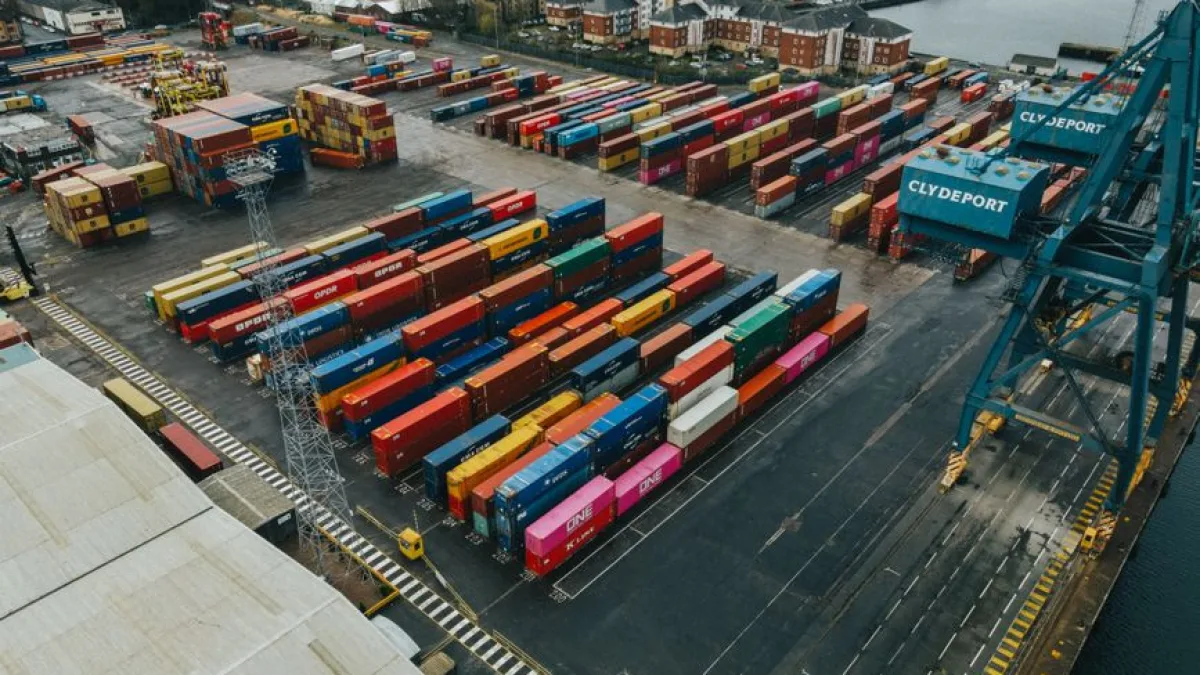
Scalability is the hallmark of a successful freight forwarder, yet many firms fail because they cannot process more volume without hiring more staff. A portal provides the infrastructure needed to handle exponential growth without scaling your overhead costs linearly.
- Efficient Onboarding Processes: Automated registration flows allow new clients to sign up and start booking shipments immediately without needing manual intervention from your internal sales or support team.
- Modular Service Additions: Expanding your service offerings through the portal is simple because you can integrate new modules like customs brokerage or insurance into the existing user dashboard.
- Handling High Volume: Advanced cloud architecture ensures that your portal can handle thousands of concurrent users and millions of shipment records without experiencing any noticeable server performance degradation.
- Global Reach Support: Providing multi-language options and localized data formats within your portal allows your firm to expand into new international markets with minimal technical friction or effort.
Investing in scalable technology ensures that your infrastructure grows alongside your client base, preventing technical limitations from hindering your long-term expansion plans. A cloud-based portal allows you to manage increased demand for services while maintaining high-quality performance. By adopting this flexible software foundation now, your company ensures it is perfectly positioned to handle the future influx of global shipping opportunities without breaking under pressure.
Data Security and Compliance

Managing sensitive logistics documentation requires the highest level of data security to protect both your business and your clients. A dedicated portal offers centralized protection, ensuring that critical supply chain data remains encrypted and safe from unauthorized external access.
- Role Based Access: Administrators can easily control user permissions to ensure that employees and external clients only view the information strictly necessary for their specific job functions daily.
- Encrypted Document Storage: Keeping all sensitive shipping documents within an encrypted cloud environment ensures that you meet modern compliance standards regarding data privacy and digital information security protocols.
- Audit Trail Logging: Tracking every login, document download, and account change provides a comprehensive digital audit trail that helps your company maintain full regulatory compliance for shipping.
- Secure Payment Gateways: Facilitating freight payments through a protected digital portal reduces the risks associated with manual billing and provides a transparent record for all financial transactions.
Prioritizing security demonstrates to your clients that you take their information seriously, which is essential for maintaining trust in a digital world. A secure portal protects against common threats like phishing or data breaches while streamlining complex regulatory documentation tasks. As digital threats continue to evolve, having a robust and updated security platform is the best way to safeguard your professional reputation.
Conclusion

Implementing a customer portal is the most effective way to modernize your freight forwarding business and improve client satisfaction. By focusing on automation, security, and scalability, you create a powerful digital environment that serves your customers 24/7. Now is the time to embrace these tools and lead the logistics industry forward. Start your digital transformation today to ensure a profitable, efficient, and future-ready organization.