Mastering Digital Transformation in Modern Freight Forwarding
Friday, August 7 2026

The global logistics landscape is undergoing a massive shift as traditional manual processes give way to advanced cloud-based digital solutions. Freight forwarders today face unprecedented pressure to increase transparency, improve speed, and reduce human error while managing complex supply chain disruptions. By adopting integrated software platforms, professionals can now consolidate their workflows into a single interface that connects carriers, customers, and operations seamlessly. This evolution is not merely about digitizing paperwork but about leveraging real-time data to make smarter decisions, ensuring that logistics providers remain competitive, agile, and resilient in an increasingly volatile market environment.
Optimizing Operational Efficiency
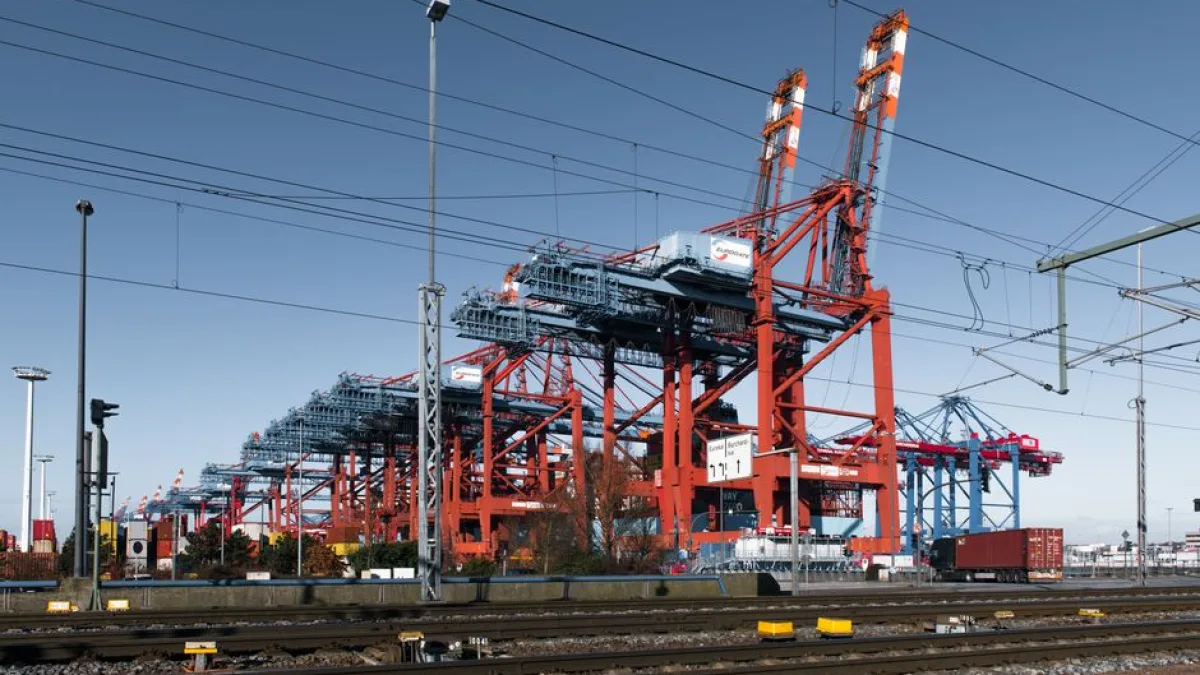
Modern digital platforms streamline complex terminal operations by automating routine tasks that previously required extensive manual input. By centralizing documentation and tracking, companies can significantly reduce their overhead while increasing throughput capacity and improving overall staff productivity during busy peak seasons.
- Automated Documentation Processing: Eliminate repetitive manual data entry by using smart automation tools that capture critical shipping information directly from incoming documents to reduce common clerical errors significantly.
- Real-time Tracking Updates: Provide your clients with accurate and live shipment status notifications that pull data directly from carrier systems to maintain constant visibility and trust.
- Task Workflow Management: Structure your internal office processes using digital checklists that ensure no shipment detail is overlooked while maintaining high standards of regulatory compliance today.
- Centralized Communication Hubs: Consolidate all email threads and chat messages within a single platform to ensure that your team remains aligned on every ongoing client shipment.
By shifting focus toward process automation, freight forwarders liberate their teams from the burden of endless spreadsheets and redundant data entry tasks. This newfound efficiency allows your staff to focus on high-value activities like relationship building and strategic account growth. Embracing these cloud-based tools transforms the office culture from reactive firefighting into a proactive organization capable of handling larger volumes with far greater precision.
Integrating Freight Management Software

Integrating software across your entire organization bridges the gap between disparate systems and fragmented data sources. A unified tech stack ensures that every department works from the same source of truth, facilitating better collaboration and faster problem-solving across global teams.
- Seamless API Integrations: Connect your existing accounting or carrier systems directly to your freight software to ensure that data flows automatically between all essential business applications.
- Centralized Data Analytics: Gain deep insights into your operational performance by using dashboard tools that aggregate complex shipment metrics into easy-to-read charts and actionable reports.
- Multi-carrier Connectivity: Access a diverse network of transport providers through a single integrated portal that simplifies rate comparisons and booking processes for your logistics team.
- Secure Cloud Storage: Protect your sensitive client documents and contracts within a robust cloud architecture that offers high levels of encryption and daily automated backups.
Integrating various software modules creates a cohesive ecosystem that powers the entire freight lifecycle from inquiry to final delivery. This technological synergy minimizes the data silos that often plague traditional logistics firms. As these digital pathways become more sophisticated, your ability to scale operations becomes easier, allowing you to onboard new clients and handle global shipments with much higher confidence.
Enhancing Customer Transparency

Transparency has become the primary differentiator in the competitive world of freight forwarding. Clients demand instant access to their shipment locations and documentation, requiring forwarders to provide intuitive digital interfaces that empower users to self-serve their most urgent shipping information.
- Branded Customer Portals: Offer your clients a customized web portal where they can track their cargo and download essential shipping documents without contacting support staff.
- Automated Milestone Alerts: Configure proactive email or SMS updates that trigger whenever a shipment reaches a significant transit milestone like customs clearance or port arrival.
- Instant Quote Requests: Enable your clients to submit shipping inquiries directly through your website which speeds up your response time and secures business much faster.
- Digital Invoice Management: Simplify the payment process by providing an easy interface where customers can view, approve, and settle their freight invoices online anytime.
When clients gain access to real-time information, their reliance on phone calls and email inquiries drops dramatically. This shift empowers your team to spend less time on routine status updates and more time solving complex logistical challenges for your best accounts. Building this level of digital transparency not only boosts client retention but also positions your firm as a modern, tech-forward logistics partner.
Scaling Through Cloud Infrastructure
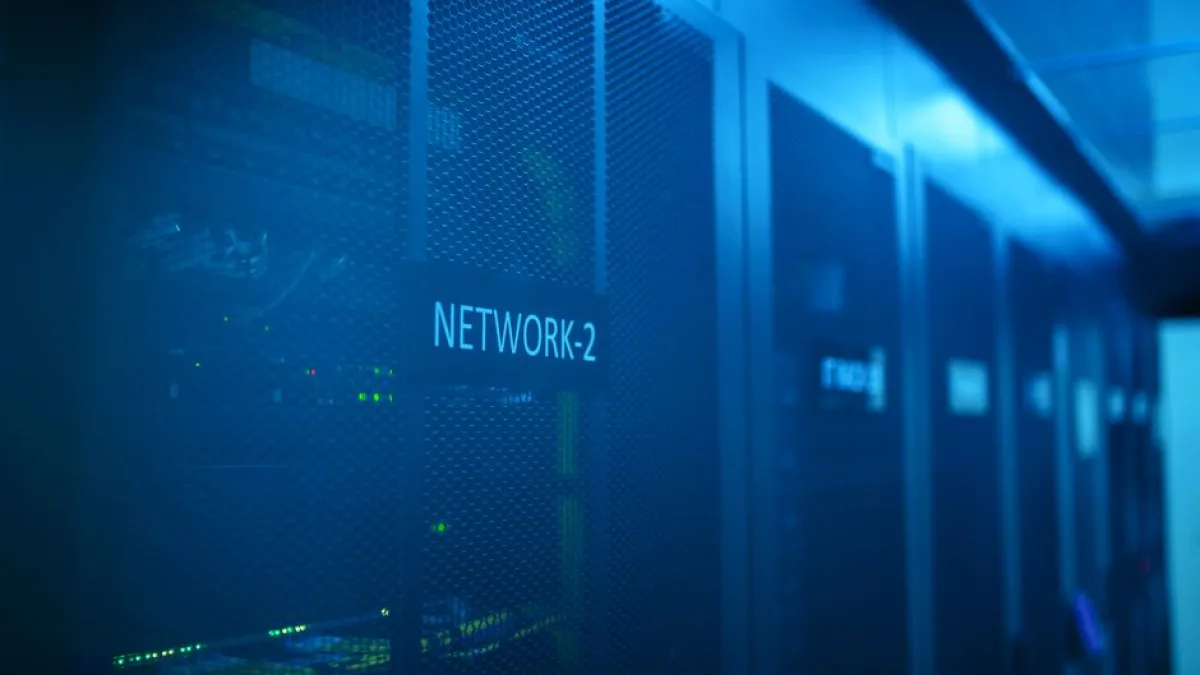
Cloud infrastructure provides the necessary backbone for freight forwarders to scale operations across multiple regions without the need for expensive physical server installations. This flexible approach ensures that your software grows alongside your business requirements and changing market demands globally.
- Global Access Anywhere: Enable your remote and distributed teams to access the platform securely from any location globally to ensure constant operational continuity and flexibility.
- Automatic Software Updates: Receive the latest features and security enhancements automatically without needing to perform manual system installations that often disrupt your daily business operations.
- Scalable Resource Allocation: Adjust your software usage and user licenses based on your current volume to ensure you only pay for what you actually need.
- Enhanced Cybersecurity Protocols: Benefit from enterprise-grade security updates that protect your valuable business data from evolving digital threats and unauthorized access attempts every single day.
Leveraging cloud-based infrastructure ensures that your firm remains agile regardless of shifting physical boundaries or regional work requirements. By outsourcing server management to your software provider, your IT department can shift its focus from maintenance to digital strategy. This strategic pivot ensures that your technology remains a long-term asset that supports your expansion into new markets and larger global shipments.
Conclusion

Digital transformation is the most important investment for modern freight forwarders aiming for long-term growth and operational excellence. By adopting cloud-based platforms, you unify your workflows, enhance transparency for your clients, and secure your competitive edge in a crowded market. Start your transition to integrated software today to build a more resilient, efficient, and successful logistics business for the future.