Mastering Digital Transformation in Modern Freight Forwarding
Saturday, August 22 2026

The global logistics landscape is undergoing a massive shift as traditional manual processes give way to advanced cloud based solutions. Freight forwarders are increasingly tasked with managing complex supply chains while maintaining high service standards in a volatile market. Adopting robust software platforms like MakeCargo allows companies to automate repetitive tasks and gain real time visibility into their operations. This technological evolution is not merely a competitive advantage but a necessity for surviving in a fast paced industry. By integrating smart tools, forwarders can unlock significant efficiency gains, reduce human error, and build more resilient relationships with global shipping partners.
Optimizing Operations with Automation
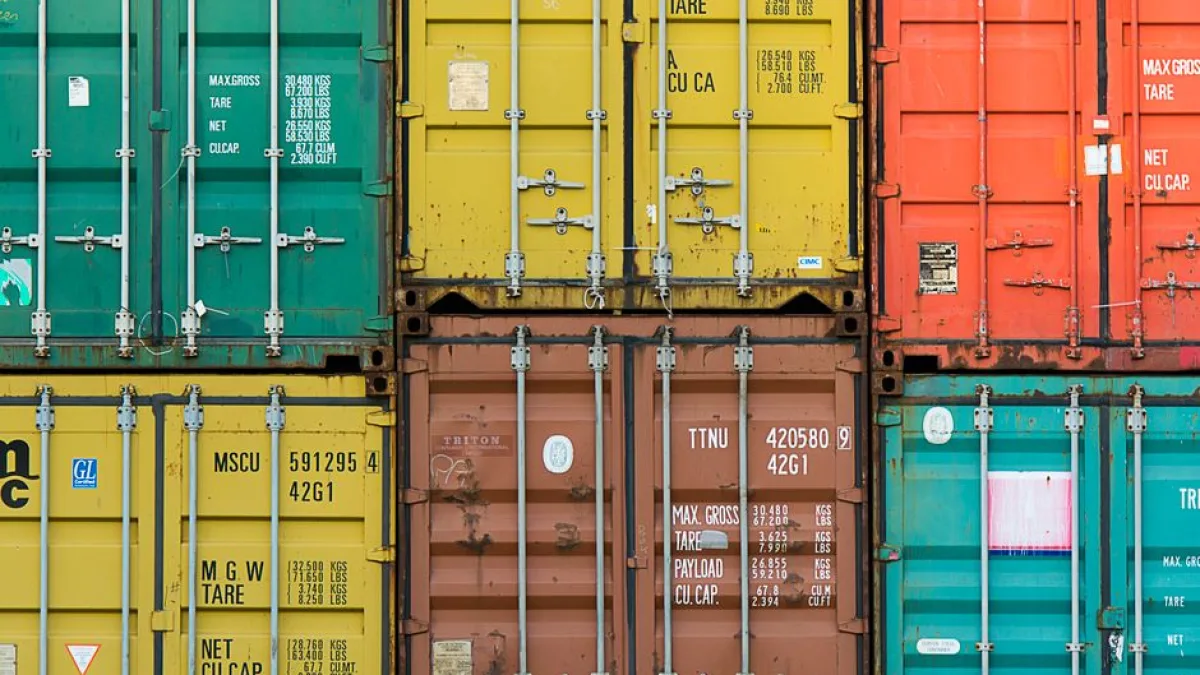
Warehouse operations require precise coordination to ensure that goods move seamlessly from point of origin to final destination. Automation reduces the reliance on manual data entry, allowing your team to focus on strategic growth and complex customer service requirements daily.
- Eliminate manual errors: Automating documentation prevents costly mistakes that often arise from repetitive data entry, ensuring that your bills of lading and manifests remain accurate and compliant with international shipping regulations.
- Speed up processing: Advanced software tools drastically reduce the time required to generate quotes and invoices, enabling your team to respond to client inquiries faster than ever before in the industry.
- Standardized data workflows: Consistent digital workflows ensure that every team member follows the same operational procedures, creating a reliable foundation for scaling your business without sacrificing quality or service speed levels.
- Resource reallocation efforts: By removing mundane tasks from your employees schedules, you empower them to focus on high value activities like strategic account management and complex problem solving for your clients.
Transitioning to automated workflows changes the way your business functions on a fundamental level. By freeing your staff from the burden of repetitive administrative duties, you create space for innovation and improved client interactions. This shift in focus leads to higher staff morale and better operational consistency across all departments, proving that technology serves as a catalyst for professional development and business success.
Enhancing Visibility through Real Time Tracking
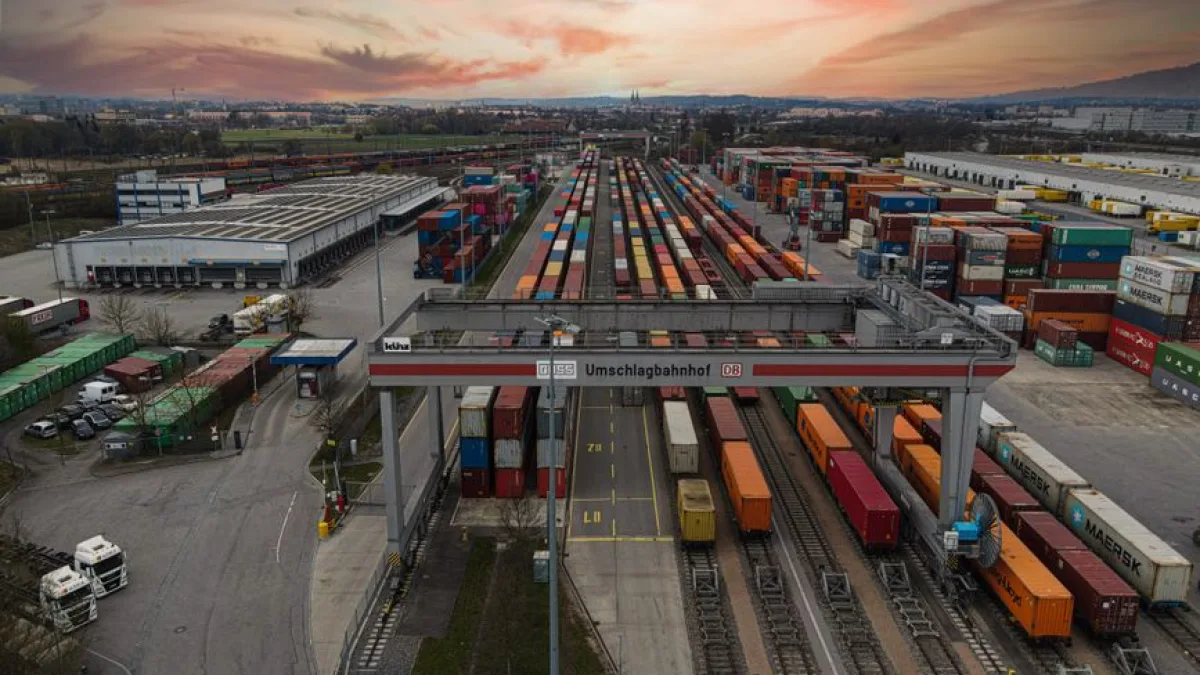
Knowing the precise location of cargo is essential for building client trust in a digital first economy. Real time tracking solutions provide the transparency needed to address delays before they impact the bottom line for your important shipping partners.
- Live cargo updates: Integrated tracking systems provide instant notifications about vessel locations, allowing you to proactively manage client expectations even when unexpected disruptions occur during complex international ocean or air shipments.
- Improved partner communication: Sharing live tracking data directly with customers reduces the volume of status inquiries, fostering a culture of transparency that strengthens your brand reputation in the logistics market.
- Risk mitigation strategies: Monitoring shipment routes in real time allows your logistics team to identify potential bottlenecks early, enabling you to reroute cargo and minimize costly shipping delays effectively.
- Performance analytics insight: Advanced platforms record transit times and carrier performance, giving you the data necessary to negotiate better rates and choose more reliable partners for future supply chain projects.
Visibility serves as the backbone of modern freight forwarding services. When you provide accurate, timely data to your clients, you establish your firm as a reliable partner capable of navigating today volatile global market. This transparency turns standard logistics transactions into long term partnerships built on mutual trust and data driven reliability. Continuous monitoring ensures that your clients stay informed throughout the entire shipment journey.
Integrating Systems for Seamless Data Flow

System integration is the key to creating a unified ecosystem where information moves freely between departments. Connecting your CRM, accounting software, and operational tools eliminates silos and provides a single version of the truth for your entire organization.
- Unified data sets: Linking disparate platforms ensures that all departments operate from the same information, which reduces confusion and improves the accuracy of financial reporting and daily logistics operational activities.
- Simplified API connections: Modern platforms offer easy integration capabilities that allow you to connect with carriers, customs agencies, and accounting tools without needing expensive custom development work or maintenance.
- Accelerated billing cycles: Integrated financial systems ensure that invoices are generated immediately upon delivery confirmation, helping your company maintain healthy cash flow and reducing the days sales outstanding for your business.
- Scalable technical architecture: Using a modular software approach allows your business to add new features or integrations as you grow, ensuring that your technology stack remains relevant and highly efficient.
Achieving true data synergy is vital for companies aiming to scale their operations successfully. When your software tools communicate effectively, you remove the friction that often hinders organizational growth. This streamlined approach minimizes administrative overhead and allows management to focus on long term strategic goals. Investing in integrated technology is a foundational step toward creating a truly lean, agile, and profitable freight forwarding operation.
Building Resilience in Global Supply Chains
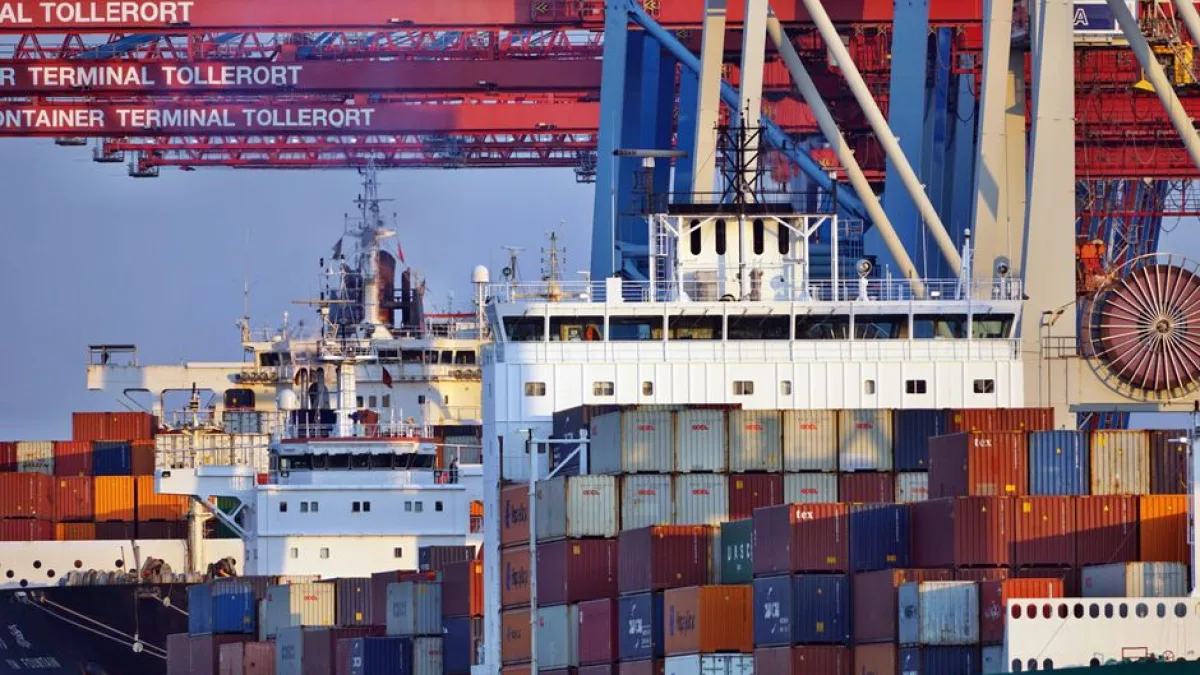
Resilience is defined by a forwarders ability to adapt quickly to global disruptions and market fluctuations. Leveraging technology helps you identify vulnerabilities in your supply chain and develop contingency plans that keep trade moving during periods of uncertainty.
- Data driven forecasting: Analyzing historical shipment trends helps you predict capacity needs, allowing for better planning and more accurate resource allocation throughout your busiest and most quiet shipping seasons annually.
- Flexible carrier management: Digital platforms make it simple to switch between various service providers, giving you the agility required to maintain service levels even when specific carriers face capacity issues.
- Secure document management: Storing all shipping documents in a centralized, secure cloud environment protects your vital business data from loss while ensuring that everything remains accessible for future audits.
- Strategic decision support: Access to real time performance reports gives leadership the information needed to make informed choices that protect profit margins and maintain high levels of operational success.
Resilience requires a proactive mindset backed by robust digital infrastructure. By utilizing the features within your freight forwarding platform, you ensure that your firm is prepared for any challenge that might disrupt global trade. This level of preparedness distinguishes market leaders from their competitors, ensuring that your business remains both stable and profitable regardless of external economic conditions or unforeseen logistical complexities.
Conclusion

Embracing technology is the primary path toward professional excellence in modern freight forwarding. By automating workflows, increasing visibility, integrating systems, and building resilience, your firm can achieve superior results in a crowded market. These advancements represent a long term investment in efficiency and client satisfaction. Start your digital transformation journey today to ensure your company remains a leader in the global logistics industry.