Mastering the Digital Transformation of Global Freight Operations
Tuesday, July 21 2026
The Evolution of Freight Operations in a Hyper-Connected Market
The global freight forwarding landscape has undergone a profound shift over the last decade. Historically, the industry relied heavily on manual labor, paper-based documentation, and fragmented communication channels that often left operations vulnerable to delays and miscalculations. As supply chains have grown in complexity, the demand for visibility, speed, and accuracy has reached an all-time high. Freight forwarders are no longer merely booking agents; they are strategic orchestrators of global movement. This role requires a shift from reactive problem solving to proactive data management. The modern forwarder must navigate volatile fuel surcharges, fluctuating capacity, and ever-changing customs regulations while maintaining high service standards. Digital tools are the only way to manage these pressures without exponentially increasing overhead costs. By leveraging cloud-based platforms, forwarders can centralize their data, automate routine communication, and provide their clients with the transparency they now expect as a default service offering.
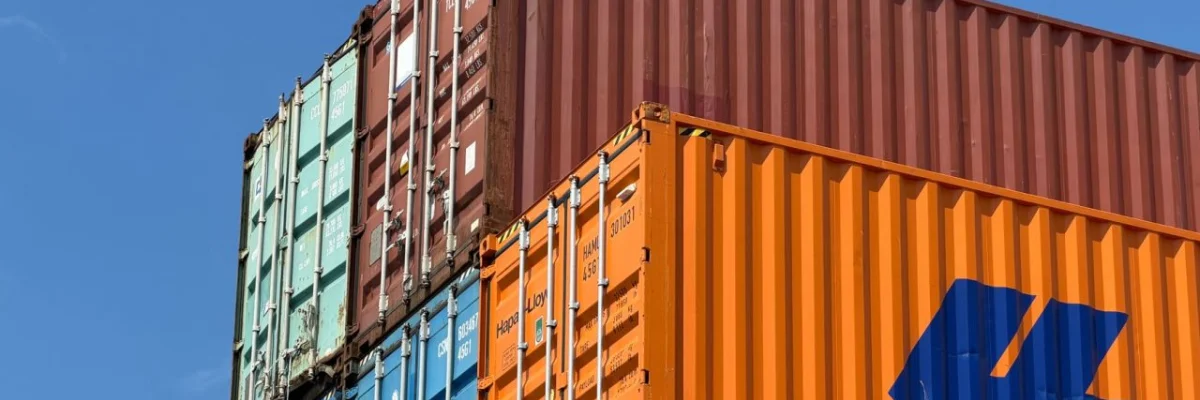
Consider the typical journey of a single ocean container. It passes through dozens of hands, from the exporter at the origin factory to the drayage provider, the steamship line, the terminal operator, and finally the destination warehouse. In a traditional setup, every hand-off is a potential point of failure. A missed email regarding a bill of lading error or a lack of real-time visibility on port congestion can result in significant demurrage and detention charges. Modern software integration mitigates these risks by creating a single source of truth. When an operational update is triggered at any point in the supply chain, the entire platform updates simultaneously. This means the forwarder, the carrier, and the consignee are all working from the same sheet of music, reducing the likelihood of costly administrative disputes and operational bottlenecks.
The Strategic Advantage of Cloud Integration
Moving operations to the cloud is not just about convenience; it is about building a scalable foundation for business growth. When your operational data is stored on localized spreadsheets or disparate software systems, scaling your volume often leads to a proportional increase in headcount requirements. This creates a growth ceiling that is difficult to break. A robust cloud-based platform automates the repetitive parts of the logistics workflow, such as quote generation, document preparation, and shipment tracking. This allows your experienced logistics coordinators to focus on managing relationships and solving high-level exceptions rather than spending hours on manual data entry. Furthermore, cloud platforms facilitate better collaboration between remote teams and international offices. Whether your staff is operating in London, Shanghai, or New York, they have access to the same live data, ensuring that client inquiries are handled with consistent and accurate information regardless of time zone differences.
Optimizing Logistics Workflows for Maximum Efficiency
Efficient freight operations depend on the successful execution of repeatable processes. Every step of a shipment lifecycle from the initial request for quote (RFQ) to the final proof of delivery can be categorized, measured, and improved. Many forwarders struggle with efficiency because their processes are siloed. The team responsible for air freight may operate entirely differently from the team managing ocean freight, even though they serve the same client base. Creating a unified internal workflow involves mapping out every touchpoint and determining where technology can act as an accelerator. For example, by integrating an automated rate management system with your booking platform, you can eliminate the need to manually cross-reference carrier rate sheets. This saves an immense amount of time during the quoting stage, allowing your sales team to respond to inquiries faster and with higher accuracy, which directly correlates to a higher win rate.
In the world of logistics, the greatest risk is not the movement of goods, but the movement of information. If your data stays trapped in email threads and disconnected software, you are losing the battle before the cargo even arrives at the port.
Actionable operational optimization begins with auditing your current documentation process. Documents like commercial invoices, packing lists, and certificates of origin are the lifeblood of international trade. Errors in these documents are the primary cause of customs delays. By moving toward a digitized documentation workflow, you can implement validation checks that alert your staff to missing information or conflicting details before a shipment even hits the water. This proactive approach significantly reduces the time cargo spends in customs clearance, improving your overall service reliability and client satisfaction. Think of this as preventative logistics maintenance, where you address the cause of potential delays before they escalate into actual service failures.
Leveraging Data for Proactive Client Communication
Transparency is the new currency in freight forwarding. Clients are no longer satisfied with receiving updates only when something goes wrong. They want granular, real-time visibility into the status of their cargo, often through client-facing portals or automated status notifications. When you provide this, you reduce the burden on your customer service team. Instead of responding to dozens of routine status inquiries every day, your staff can focus their energy on helping clients navigate complex logistics challenges or optimizing their supply chain network. Use your operational platform to categorize your shipments by priority and destination, setting up automated alerts for any shipment that deviates from its scheduled transit milestones. This kind of exception management is exactly what separates high-performing forwarders from the rest of the market.
- Centralize all client communication within your platform to eliminate reliance on external email chains.
- Automate the generation of shipment status updates to provide clients with instant, real-time visibility.
- Standardize documentation templates to reduce errors and ensure compliance across all international shipping lanes.
- Use data analytics to identify consistent bottlenecks with specific carriers or transit routes.
- Implement cloud-based document management to allow for instant retrieval and audit trails for every file.
- Empower clients with a self-service portal to manage their own booking requests and document downloads.
Ultimately, the objective is to create an ecosystem where technology handles the heavy lifting of operational maintenance, leaving the professionals to provide the high-touch expertise that artificial intelligence cannot replicate. By adopting this mindset, forwarders can stop reacting to the constant fluctuations of the industry and start driving value through superior visibility and strategic planning. As you implement these digital changes, keep your team in the loop and focus on training them to be masters of these tools rather than just users of software. Success in the modern era of logistics is a combination of sophisticated technical infrastructure and a human-centric approach to problem solving, ensuring that every shipment is handled with precision, speed, and accountability.