Mastering Digital Transparency in Global Shipping and Tracking
Thursday, September 10 2026
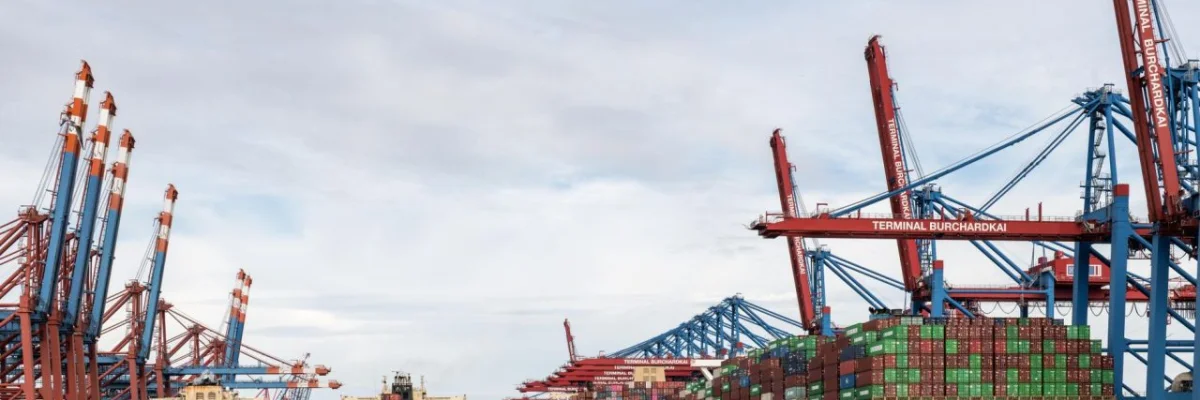
Modern supply chains demand unprecedented levels of visibility as shippers and forwarders navigate an increasingly volatile global landscape. Transitioning from reactive communication to proactive digital oversight is no longer a luxury but a necessity for operational survival. By leveraging cloud-based platforms like MakeCargo, forwarders can integrate real-time tracking data directly into their daily workflows, eliminating the information silos that often plague traditional logistics operations. This shift empowers teams to anticipate potential bottlenecks, provide precise delivery estimates, and ultimately build stronger, more resilient relationships with clients who expect continuous updates throughout the entire lifecycle of their shipments across diverse international trade routes.
Optimizing Real Time Visibility
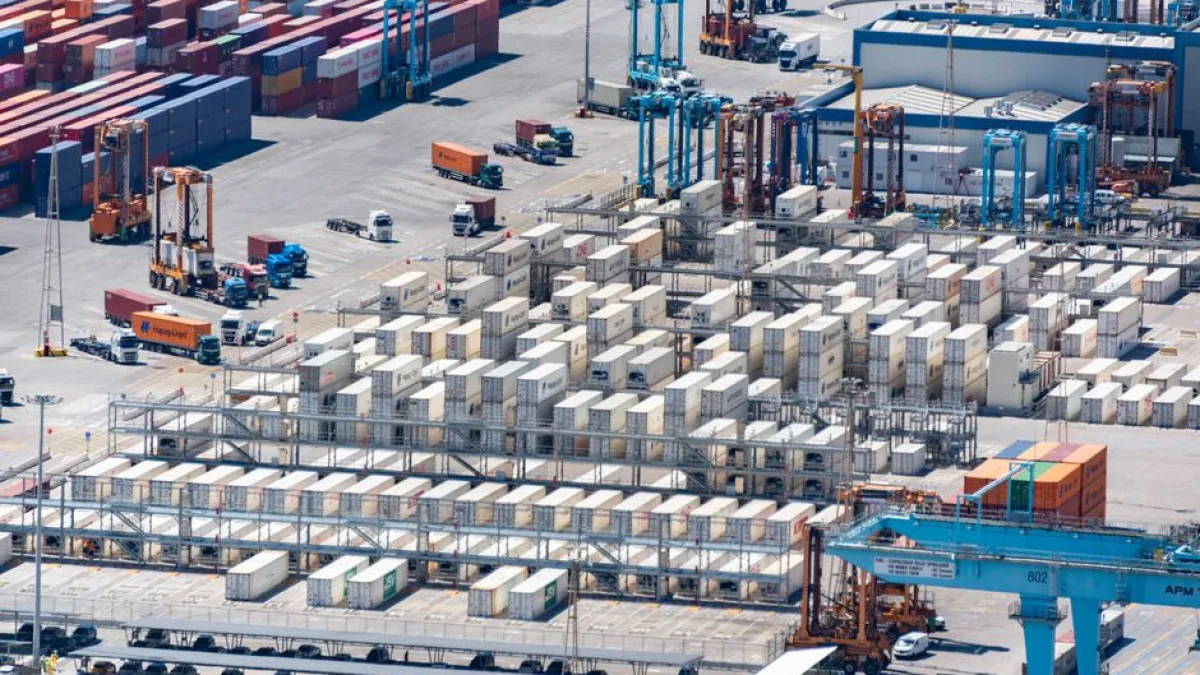
Real time tracking transforms how logistics providers handle complex cargo movements across borders. By utilizing live telemetry and integrated status updates, forwarders can pinpoint shipment locations instantly, reducing uncertainty while enhancing overall operational efficiency during every stage of the transit process.
- Automated status updates: Cloud platforms push automatic notifications to stakeholders whenever a shipment reaches a new milestone, ensuring that everyone stays informed without needing constant manual emails or phone calls.
- Reduced cargo delays: Accessing live data allows teams to identify potential transit bottlenecks early, giving them enough time to reroute shipments or notify clients before significant problems occur.
- Enhanced client trust: Providing transparent access to shipment journeys helps logistics professionals build long term loyalty with customers who value consistent information and high levels of operational clarity.
- Data driven decisions: Analytics gathered from tracking events enable forwarders to evaluate carrier performance objectively, helping them select the most reliable partners for future high priority freight shipments.
Digital visibility provides a comprehensive overview that simplifies the complexity of global trade. When forwarders replace manual spreadsheets with automated software, they minimize the risk of human error and improve internal productivity. Clients appreciate this professional approach, as it fosters confidence in your services during challenging disruptions. This technology bridge serves as the cornerstone for modern logistics excellence and sustainable growth in competitive markets.
Leveraging Advanced Predictive Analytics

Predictive analytics utilize historical shipment data to forecast potential arrival times and identify risks before they manifest. Forwarders who adopt these advanced tools can offer their clients superior planning capabilities and improved supply chain resilience for future transport needs.
- Accurate arrival forecasting: Machine learning algorithms analyze past performance and current weather patterns to provide more reliable delivery predictions than standard carrier schedules can offer their customers daily.
- Risk mitigation strategies: Identifying patterns in shipment delays helps forwarders build contingency plans, allowing them to proactively manage inventory flow during peak seasons or major regional economic disturbances.
- Optimized routing paths: Software platforms compare multiple logistics routes to suggest the most cost efficient and fastest options, saving valuable time while reducing unnecessary fuel consumption during transit.
- Inventory management support: Detailed forecasting enables clients to synchronize their stock requirements with precise arrival times, significantly lowering their warehouse costs and preventing expensive supply chain disruptions regularly.
Predictive tools act as a powerful differentiator in a saturated market. By providing foresight rather than just hindsight, freight forwarders become strategic partners in their clients success. These sophisticated analytics translate raw data into actionable insights, helping teams navigate future uncertainties with ease. Investing in predictive technology ensures your logistics firm stays ahead of industry trends while maintaining a high level of operational precision.
Integrating Automated Documentation Flows
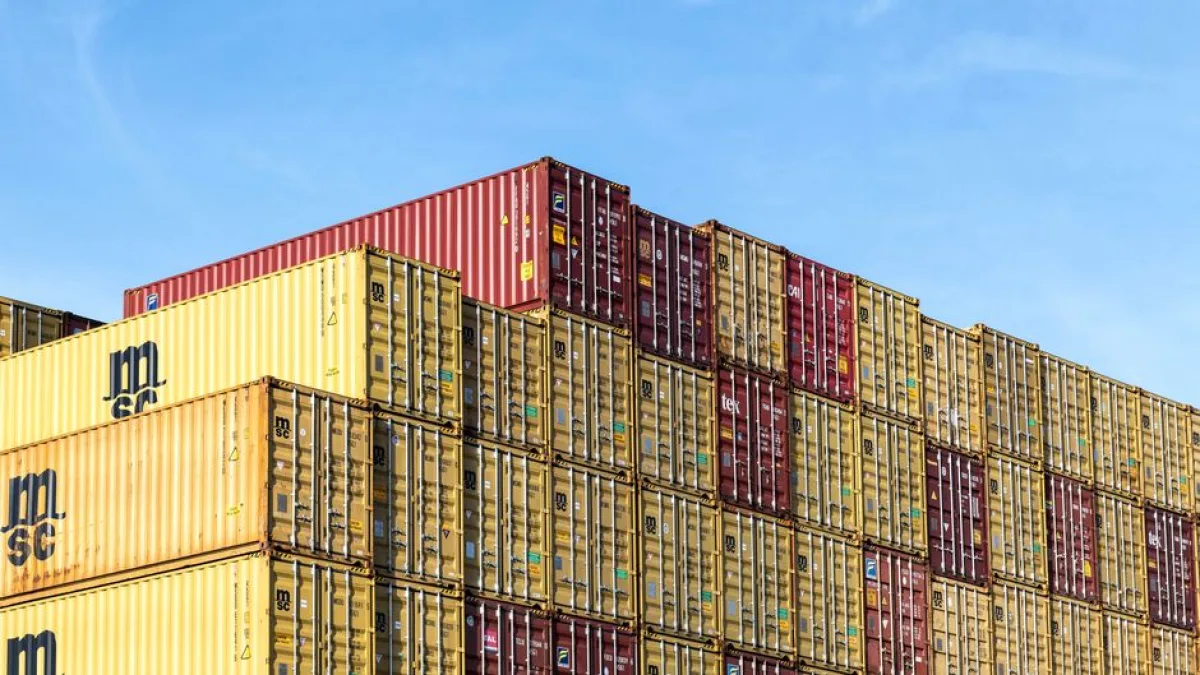
Seamless document management is essential for ensuring cargo moves smoothly through international customs without unnecessary interference. Automated software integrates documentation directly with tracking events, creating a unified flow that reduces administrative burdens and keeps shipments compliant with regulations.
- Paperless document handling: Electronic document systems eliminate the need for physical paperwork, allowing teams to store and share vital customs forms securely within a single cloud environment.
- Regulatory compliance tracking: Automated alerts notify users when specific documents are expiring or missing, ensuring every shipment complies with local and international trade laws to avoid penalties.
- Centralized data access: Having every digital invoice, bill of lading, and certificate of origin in one place streamlines internal communication and speeds up the entire clearance process.
- Instant document sharing: Secure portals allow forwarders to grant customs brokers or clients instant access to required documents, significantly reducing the turnaround time for essential approval workflows.
Efficiency relies on clean and organized data management. When you link your documents to the tracking module, you create a holistic view of your freight operations. This integration prevents administrative bottlenecks that often lead to costly demurrage or storage fees. Streamlining these workflows allows your staff to focus on high value tasks instead of chasing paperwork, ultimately boosting profitability and service quality levels.
Enhancing Stakeholder Communication Channels

Strong communication channels are the heartbeat of successful freight forwarding companies. By centralizing all messages within a tracking platform, forwarders ensure that every stakeholder remains synchronized, preventing the typical confusion caused by disconnected messaging systems and fragmented communication threads today.
- Centralized message portals: Integrated platforms capture all communications related to a specific shipment, ensuring that important details are never lost within individual employee inboxes or chat applications.
- Client self service portals: Empowering customers to view their own shipment data through a branded portal reduces incoming query volume, allowing your support staff to handle complex requests.
- Unified internal collaboration: Team members can comment directly on specific shipments, facilitating faster problem solving and better coordination between dispatchers, drivers, and the accounting department during operations.
- External partner sync: Connecting with carriers and agents through a shared digital space ensures that all parties are working from the same information, which minimizes costly miscommunications.
Clear communication builds the bridge between operational success and customer satisfaction. By utilizing shared digital spaces, you eliminate the delays associated with back and forth email chains. This proactive approach to connectivity demonstrates professionalism and reliability, traits that are highly valued in global freight. Embracing integrated communication tools will fundamentally transform how your team interacts with the global market and your clients.
Conclusion

Mastering digital shipping and tracking is essential for forwarders who want to thrive in today's fast paced environment. By adopting cloud based solutions, you gain the visibility, precision, and communication power required to lead the industry. Start optimizing your operations today with MakeCargo to see how technology can simplify your freight processes and drive significant growth for your organization in every region.