Mastering Efficiency: Best Practices for Modern Freight Forwarders
Thursday, September 3 2026

In the fast-paced world of logistics, staying competitive requires more than just moving goods from point A to point B. It demands precision, transparency, and a relentless focus on optimization. Freight forwarders today face unprecedented volatility, making digital transformation not just an advantage but a fundamental necessity for survival. By adopting modern cloud-based tools and refining operational processes, your team can reduce manual errors and significantly improve customer satisfaction. This article explores essential strategies for enhancing your daily operations and positioning your freight forwarding business for long-term growth in a crowded global marketplace.
Digital Workflow Automation

Automating your documentation processes replaces time-consuming manual entry with seamless digital workflows. When data flows directly from booking requests into your logistics software, you eliminate common human errors and accelerate the entire processing cycle for every shipment handled.
- Reduce manual errors: Automating data entry tasks significantly minimizes mistakes that lead to costly shipment delays or incorrect invoicing errors, ultimately saving your team hours of tedious manual correction work.
- Speed up documentation: Streamlined digital systems allow you to generate bills of lading and customs declarations instantly, keeping your cargo moving through ports without unnecessary administrative bottlenecks or waits.
- Centralized data access: Having a single source of truth for all shipment documents ensures that your team stays informed and can provide real-time updates to every valued client.
- Scale your operations: Automation enables your existing staff to manage a higher volume of freight shipments without requiring additional headcount, directly improving your overall profit margins every month.
Transitioning to automated workflows changes how your team spends their day. Instead of chasing paperwork, staff members can focus on high-value tasks like customer relationship management and problem solving. This shift fosters a proactive culture where service quality improves, while overhead costs decrease significantly. By leveraging software to handle the heavy lifting, your agency builds a foundation for consistent, scalable growth in a challenging market.
Enhanced Shipment Visibility
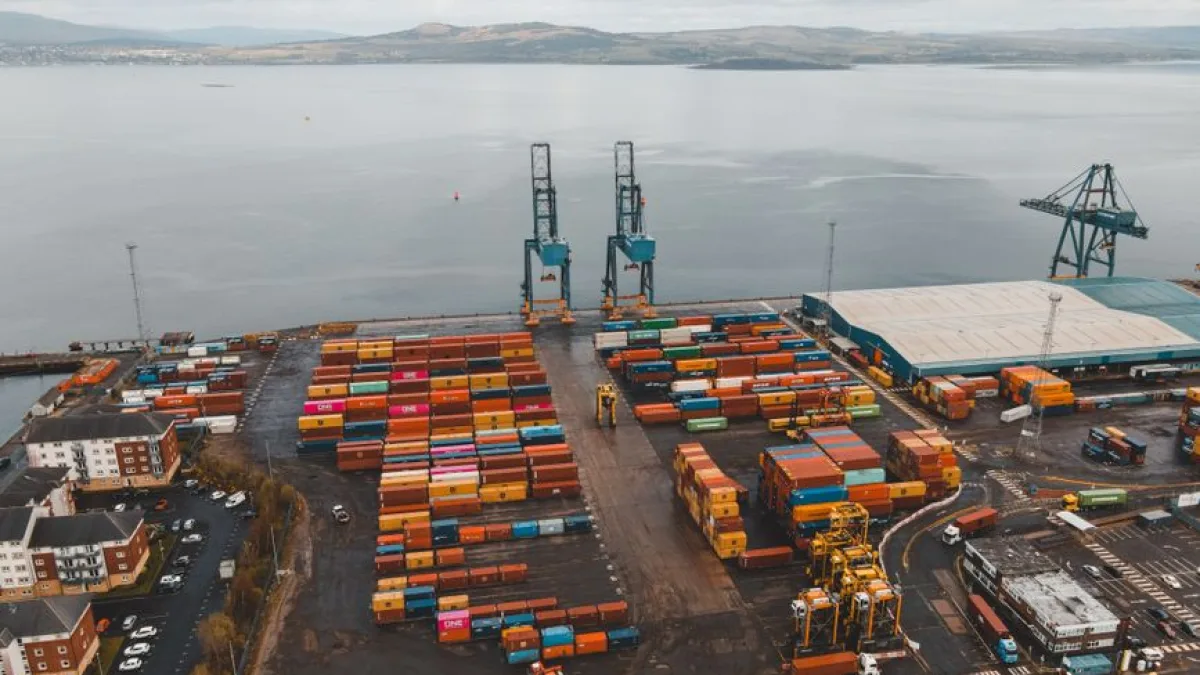
Real-time visibility is the primary expectation for modern shippers who demand total transparency. Providing clients with live tracking data allows you to proactively manage exceptions before they escalate into major disruptions that impact your company reputation and client loyalty.
- Real-time tracking integration: Connecting your platform with carrier APIs provides instant updates on vessel locations, ensuring your clients always know the exact status of their urgent global shipments.
- Proactive exception management: Advanced visibility tools alert your operations team to potential delays immediately, allowing you to suggest alternative routes before the shipment becomes a major client issue.
- Improved client trust: Offering a customer portal for live tracking increases transparency, which builds long-term loyalty and reduces the time your team spends answering status inquiry emails.
- Data-driven performance reviews: Tracking transit times across various carriers helps you identify the most reliable partners, enabling you to optimize your future routing decisions for better results.
Visibility serves as the backbone of modern freight services. When you provide accurate information, you become a trusted partner rather than just a vendor. This level of service differentiates your company from competitors who rely on delayed emails or phone updates. Clients appreciate the ability to monitor their goods independently, which reduces administrative pressure on your team and enhances your overall professional brand image.
Optimizing Carrier Relations

Building strong connections with shipping lines and trucking firms is vital for securing space during peak seasons. Effective communication and reliable payment histories foster deep partnerships that provide your company with preferential treatment and better rate structures throughout the year.
- Maintain consistent communication: Regular check-ins with your carrier representatives keep your agency top of mind, which often results in better allocation of space during high-demand peak shipping seasons.
- Negotiate volume rates: Leveraging your historical shipment data allows you to negotiate favorable annual contracts, ensuring your customers receive competitive pricing while you maintain healthy profit margins daily.
- Resolve disputes quickly: Establishing clear lines of communication helps resolve billing or operational issues efficiently, keeping your business partnerships healthy and productive for many future shipping cycles.
- Verify carrier reliability: Consistently monitoring carrier performance metrics ensures you only work with the most dependable partners, minimizing risks for your clients and maintaining your high service standards.
Successful freight forwarding relies heavily on the strength of your carrier network. By treating these relationships as strategic partnerships rather than purely transactional exchanges, you secure a competitive advantage in space allocation and pricing. This approach ensures that even during capacity crunches, your shipments maintain priority status, allowing you to deliver on your promises consistently and grow your reputation as a reliable logistics industry leader.
Standardizing Internal Processes

Standardization ensures that every shipment follows a proven process, regardless of which team member handles the file. Creating clear operating procedures reduces reliance on individual knowledge and ensures that your company delivers a consistent experience for every client every time.
- Define step-by-step procedures: Creating detailed documentation for every stage of a shipment ensures that every staff member understands the required actions, reducing inconsistency and improving overall service quality.
- Implement training programs: Regular training sessions keep your team updated on the latest industry regulations and software features, maintaining high performance levels across all departments of business.
- Automate internal notifications: Setting up system alerts for internal milestones keeps departments aligned, ensuring that finance, operations, and sales teams stay synchronized throughout the entire logistics life cycle.
- Audit workflows regularly: Periodic reviews of your standard operating procedures allow you to identify inefficiencies and update your methods to keep pace with evolving industry standards and technologies.
Standardized workflows are the key to operational excellence and business scalability. When your processes are documented and digitized, your company becomes more resilient to personnel changes and market shifts. This consistency reassures clients that their goods are managed with professional rigor every time. By refining these internal methods, you create a stable, efficient organization capable of handling complex logistics challenges with ease and precision.
Conclusion

Implementing these strategies requires a commitment to continuous improvement and digital adoption. By focusing on automation, visibility, partnerships, and standardization, your freight forwarding business can navigate the complexities of global trade with confidence. Start optimizing your operations today to deliver superior service and achieve sustainable growth. Reach out to MakeCargo to discover how our platform can support your team in achieving these operational goals.