Mastering Financial Efficiency in Modern Freight Forwarding
Thursday, July 30 2026

Financial management remains the backbone of any successful freight forwarding operation in an increasingly competitive global logistics market. As profit margins tighten and operational complexities grow, companies must adopt smarter strategies to handle billing, invoicing, and cash flow cycles. Relying on outdated manual processes leads to costly errors and delayed payments that can stifle growth. By integrating robust digital solutions, forwarders can transform their finance departments into strategic assets. This guide explores essential practices for optimizing your revenue cycle, reducing overhead costs, and ensuring long-term fiscal health for your logistics business through modern technology and standardized financial workflows.
Automated Invoicing Workflows

Automated invoicing systems eliminate the tedious manual entry that often leads to discrepancies between quoted rates and final bills. By syncing your operational data with your accounting software, you create a seamless flow that minimizes human error and accelerates billing cycles.
- Reduced Billing Errors: Automated systems pull accurate shipment data directly from your logistics platform to populate invoices, ensuring every charge is correct and preventing disputes with your valuable clients.
- Faster Payment Cycles: Digital delivery of invoices allows clients to receive their bills instantly, which triggers faster approval processes and reduces the time your capital remains tied up externally.
- Data Integration Sync: Connecting your freight platform to accounting tools ensures that currency conversions and tax calculations remain consistent across all documents regardless of the shipment complexity or destination.
- Audit Trail Visibility: Maintaining a digital record of every invoice modification provides a clear history for financial audits and internal reviews while increasing transparency for your accounting department staff.
Optimizing your billing workflow is the first step toward achieving operational excellence in your logistics firm. When your team spends less time hunting for missing invoices and correcting errors, they can focus on high-value tasks that drive revenue growth. Implementing automated systems reduces overhead significantly while providing your clients with a professional experience that encourages timely payments and builds long-term trust in your services.
Optimizing Cash Flow Management
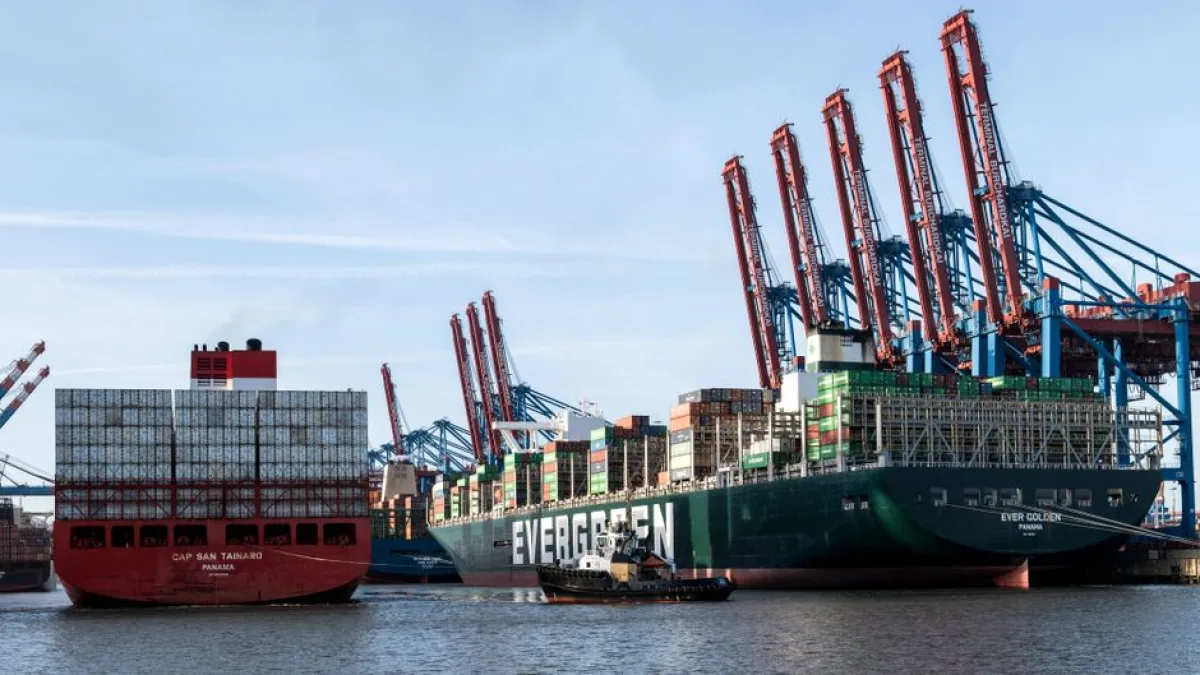
Cash flow is the lifeblood of logistics operations where capital expenditures for transportation services often occur long before client payments arrive. Managing these liquidity gaps requires precise tracking of outstanding accounts and proactive communication regarding payment terms with global partners.
- Real Time Tracking: Monitoring active shipments alongside outstanding receivables helps you anticipate cash inflows and prepare for upcoming operational expenses to avoid potential liquidity shortages during peak seasons.
- Strategic Payment Terms: Negotiating favorable terms with carriers while aligning client payment expectations allows your firm to maintain a healthy working capital balance throughout the business cycle.
- Credit Risk Assessment: Using historical payment data to evaluate the creditworthiness of new clients ensures you mitigate the risk of bad debt before committing significant company resources to shipments.
- Proactive Collection Efforts: Automated reminders scheduled through your software keep your team informed about overdue accounts, allowing for timely follow up actions that minimize the duration of aged receivables.
Effective cash flow management allows freight forwarders to weather market volatility with confidence and strategic agility. By maintaining clear visibility over your incoming and outgoing funds, you gain the freedom to invest in infrastructure upgrades or expand your service offerings. Staying ahead of your financial commitments creates a stable foundation that supports sustainable growth and allows your business to thrive globally.
Streamlining Multi-Currency Transactions

Global trade involves complex multi-currency transactions that expose freight forwarders to significant exchange rate risks. Managing these fluctuations effectively requires a systematic approach to currency conversion and a clear policy for handling volatility in international logistics markets.
- Automated Rate Conversion: Modern logistics software automatically pulls current exchange rates to ensure your invoices remain accurate and fair while accounting for daily market fluctuations in currency valuations globally.
- Cost Mitigation Strategies: Establishing clear guidelines for currency adjustments protects your profit margins from unexpected shifts in market conditions that often occur during longer transit times for ocean freight.
- Transparent Fee Reporting: Providing clients with clear documentation of currency adjustments builds credibility and reduces the frequency of payment disputes regarding the final invoice amounts being collected today.
- Centralized Financial Data: Consolidating multi-currency reports in one place allows management to analyze profitability across different trade lanes and geographic regions without manual calculation efforts from staff members.
Navigating the complexities of international trade requires a robust strategy for managing currency variances. By utilizing digital tools to standardize these processes, your team can eliminate guesswork and maintain consistent profit margins despite the volatility of global markets. Transparent financial practices protect your bottom line and foster stronger relationships with international partners, ultimately positioning your firm as a reliable global provider.
Leveraging Advanced Financial Reporting

Advanced reporting tools transform raw transaction data into actionable insights that drive smarter decision making across your entire organization. Moving beyond simple balance sheets allows leadership to understand the profitability of specific trade lanes, customer segments, or service types.
- Profitability Analysis Tools: Detailed reports allow you to evaluate which shipping routes generate the highest margins, helping you focus your marketing efforts and sales resources on the most lucrative opportunities.
- Customizable Metric Dashboards: Interactive dashboards provide stakeholders with a clear view of performance indicators such as days sales outstanding, ensuring that key decision makers always have relevant financial data.
- Forecasting Revenue Trends: Identifying seasonal patterns in your shipping volume through historical data analysis enables more accurate budgeting and capacity planning for your logistics business during peak demand.
- Departmental Cost Allocation: Detailed tracking allows you to see exactly where operational costs occur, making it easier to optimize resource usage and reduce unnecessary spending across various company divisions.
Data driven insights provide the competitive edge necessary to navigate the modern freight landscape effectively. By consistently reviewing financial reports, you can identify hidden costs and leverage new growth opportunities before your competitors catch on. Emphasizing analytical rigor in your daily finance routines ensures your business remains resilient, profitable, and ready to adapt to the changing needs of the logistics industry.
Conclusion

Taking control of your finances is essential for scaling a freight forwarding business in a fast-paced environment. By implementing automated billing, monitoring cash flow, managing currency risks, and utilizing advanced analytics, you can secure your company future. Embrace these digital tools today to enhance transparency, improve operational efficiency, and drive long-term profitability. Your commitment to financial excellence will undoubtedly pave the way for success.