Mastering Financial Efficiency in Modern Freight Forwarding
Monday, August 24 2026
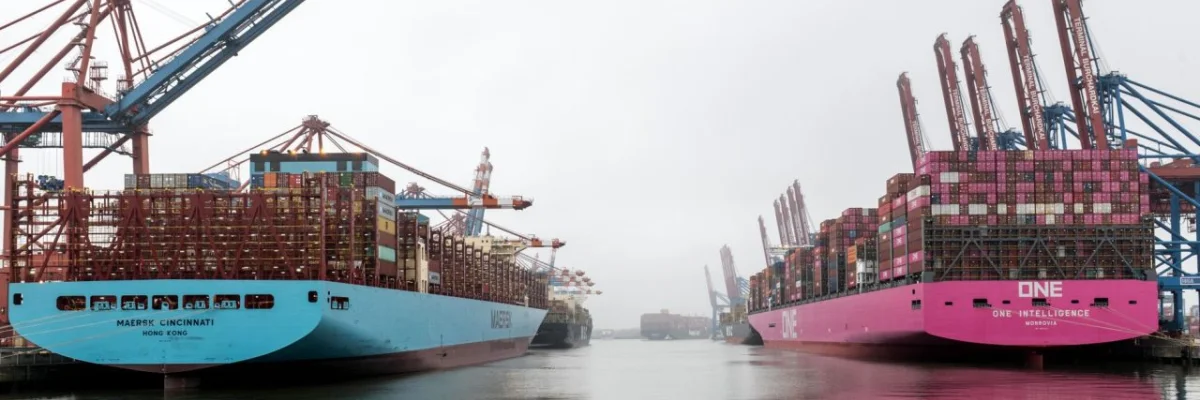
Freight forwarders face unprecedented pressure to balance operational agility with rigorous financial management in a volatile global market. As supply chains grow more complex, the ability to maintain precise cash flow visibility and eliminate billing errors becomes the primary differentiator between industry leaders and those struggling to keep pace. By leveraging cloud-based platforms, professionals can transform their finance departments from static administrative functions into strategic assets that drive profitability. This transition requires a deep commitment to automation, transparency, and data-driven decision making, ensuring that every shipment processed contributes positively to the bottom line while minimizing the risks associated with manual accounting cycles.
Optimizing Automated Invoicing Systems

Digital transformation starts by replacing paper trails with intelligent software that captures billable events instantly. This proactive approach ensures that every accessorial charge is captured correctly, preventing revenue leakage and significantly accelerating the time it takes to issue client invoices.
- Real-time data synchronization: Our software automatically syncs shipment milestones with accounting modules to ensure every billable event is captured the moment it occurs within the cloud-based operational workflow environment.
- Instant invoice generation: Reduce administrative labor by deploying automated templates that compile complex freight charges, duties, and taxes into professional documents ready for immediate dispatch to your clients.
- Reduced billing errors: Eliminate human mistakes by pulling data directly from carrier bookings and rate cards, ensuring that your final invoices always reflect the agreed-upon contract pricing structures.
- Customizable billing workflows: Tailor your internal approval processes to align with specific customer requirements, allowing for rapid audit cycles that expedite payment processing and improve overall organizational cash flow.
Adopting automated invoicing systems empowers your finance team to shift their focus from manual data entry to higher-value analysis. By reducing the reliance on spreadsheets and disconnected systems, you create a single source of truth for your entire organization. This clarity allows for faster dispute resolutions and healthier client relationships, ultimately securing your competitive edge in a fast-paced market that demands constant operational accuracy.
Enhancing Cash Flow Visibility

Maintaining a clear view of your financial health requires more than monthly balance sheets. Forwarders must utilize real-time analytics to track outstanding receivables and monitor payment trends, ensuring they maintain the liquidity needed to cover carrier costs and operational expenses.
- Dynamic reporting dashboards: Access comprehensive financial snapshots that visualize current receivables, aged debt, and expected revenue streams, providing leaders with actionable insights into the daily health of business.
- Smart payment tracking: Utilize automated alerts that notify account managers when payments become overdue, allowing for timely follow-ups that minimize bad debt risks across your entire customer portfolio.
- Cash forecast modeling: Leverage historical shipment data to predict future cash requirements, ensuring your team has the resources available to negotiate better rates with core carrier partners.
- Multi-currency management: Handle global transactions with ease by utilizing platform tools that automatically convert and reconcile payments across multiple currencies, mitigating exchange rate volatility for international shipments.
When you have a constant pulse on your cash flow, you stop reacting to financial hurdles and start anticipating them. This strategic foresight is essential for growing your business, especially when scaling operations across new regions or service sectors. By prioritizing transparency, you build trust with stakeholders and investors, ensuring your organization remains stable even during seasonal fluctuations or unexpected global trade disruptions.
Streamlining Carrier Reconciliation Processes

Reconciling carrier invoices is often the most time-consuming task for logistics finance teams. The complexity of multi-leg shipments frequently results in cost discrepancies, but modern cloud software simplifies this by mapping carrier invoices directly against internal job files.
- Automatic cost matching: Our platform compares incoming carrier invoices against original freight quotes to immediately identify discrepancies, enabling your team to resolve pricing conflicts before they escalate.
- Digital dispute management: Create a formal, traceable process for logging and disputing carrier overcharges, ensuring that every cent saved is accurately tracked and reported in your ledger.
- Carrier performance analysis: Use financial data to evaluate which carriers provide the best value, helping you identify partners who consistently adhere to their promised pricing and service levels.
- Centralized document storage: Keep every proof of delivery and invoice in one searchable repository, simplifying the audit process and ensuring your records remain compliant with international regulations.
Effective reconciliation is the backbone of sustainable profit margins. By digitizing the verification process, you eliminate the frustration of hunting down missing documents or arguing over hidden fees. This creates a more professional atmosphere for both your staff and your carriers. When financial operations are seamless, you can focus on building stronger partnerships that benefit the quality of service you offer clients.
Leveraging Advanced Financial Analytics

The future of freight forwarding belongs to those who use data to drive profitability. Beyond basic bookkeeping, advanced financial analytics allow firms to evaluate the actual cost-to-serve for every customer, route, and service type, revealing hidden opportunities for optimization.
- Profitability per shipment: Calculate the precise net margin for each job by factoring in all direct and indirect costs, allowing you to identify your most valuable service offerings.
- Customer trend analysis: Pinpoint high-volume clients who generate the most consistent revenue, enabling you to build loyalty programs that secure your business against shifting market demand cycles.
- Actionable operational insights: Translate complex financial data into easy-to-read charts that highlight areas where processes are inefficient, helping your team adjust operations for maximum cost-effectiveness moving forward.
- Strategic pricing adjustments: Use historic margin analysis to set more competitive and profitable freight rates that reflect current market conditions, ensuring your company remains attractive to shippers.
Data is the most valuable currency in modern logistics. When you apply deep analytical rigor to your finance functions, you gain the ability to make evidence-based decisions that minimize waste and maximize growth. Instead of relying on intuition, use these powerful insights to steer your business toward long-term success, ensuring that every freight movement is backed by a solid, data-driven financial plan.
Conclusion

Successfully managing the financial complexities of freight forwarding requires a combination of technology and proactive strategy. By embracing automation and data analytics, you protect your margins and create a transparent environment for your team. Start integrating these advanced tools into your daily operations today to ensure that your business remains profitable and resilient in an evolving industry. Explore MakeCargo to see how we assist.