Mastering Financial Efficiency in Modern Freight Forwarding
Monday, October 5 2026

The global logistics landscape is undergoing a massive transformation driven by digitalization and the demand for real-time visibility. Freight forwarders often struggle with fragmented financial workflows that lead to revenue leakage, delayed invoicing, and cash flow constraints. Managing complex billing cycles across international borders requires robust systems that minimize manual errors and improve profitability. By adopting cloud-based platforms like MakeCargo, logistics providers can automate repetitive financial tasks, ensure accurate currency conversion, and gain actionable insights into operational costs. Embracing technology is no longer optional but a strategic imperative for firms aiming to scale their operations in a competitive marketplace.
Optimizing Invoice Automation Cycles

Automating your invoicing workflow significantly reduces the time spent on manual data entry and lowers the risk of human error. Digital platforms enable instant invoice generation directly from shipment data, ensuring that your clients receive timely and accurate payment requests.
- Speed up payments: Implementing automated invoicing protocols allows your team to trigger payment requests immediately upon shipment milestones, which drastically reduces the days sales outstanding for your logistics business operations.
- Eliminate manual entry: Removing manual typing from your accounting workflow prevents costly errors that often lead to disputes and delays when processing complex multi-currency freight invoices for global shipping clients.
- Improve client experience: Providing professional and detailed digital invoices creates a transparent relationship with customers while allowing them to settle their accounts using integrated payment gateways for faster transaction processing.
- Reduce administrative costs: Streamlining your back-office functions through automation software allows your finance team to focus on strategic growth rather than spending countless hours reconciling outdated spreadsheets and paper documents.
Transitioning to automated billing workflows transforms how your firm handles revenue cycles. By eliminating bottlenecks caused by manual intervention, you create a scalable foundation for future growth. Accurate documentation ensures that every shipment cost is captured, protecting your margins from unexpected discrepancies. Investing in these digital tools empowers your finance team to provide higher levels of service while maintaining control over the entire billing process.
Managing Multi-Currency Billing Risks

Global freight operations involve handling multiple currencies, which creates exposure to volatility and calculation errors. Effective management of these financial variables ensures that your margins remain protected regardless of fluctuating international exchange rates throughout the shipment lifecycle.
- Centralize exchange rates: Utilizing software that updates daily currency conversion rates prevents discrepancies when billing international clients, ensuring that your profit margins are protected against unexpected movements in global markets.
- Mitigate financial risk: Managing multiple currency accounts within one system allows for better hedging strategies, which keeps your financial records accurate and reduces the impact of sudden market volatility.
- Standardize reporting metrics: Converting all international transactions into a functional base currency provides a clear view of total revenue, helping management make data-driven decisions based on unified financial performance indicators.
- Reduce reconciliation efforts: Automated systems handle the complexities of cross-border billing, ensuring that your accounts receivable team avoids the headache of manually calculating exchange rate differences for every individual shipment.
Handling multi-currency transactions requires precision and a reliable digital framework. By leveraging automated conversion tools, forwarders can eliminate the risks associated with manual currency management. This level of financial oversight is crucial for businesses that operate across diverse trade lanes. When your billing system handles the heavy lifting, you gain the confidence to pursue international opportunities without worrying about complex accounting errors.
Strengthening Cash Flow Visibility

Real-time visibility into your cash flow is the difference between surviving and thriving in the freight industry. Accessing accurate financial data allows managers to identify trends and address potential liquidity issues before they become critical threats to stability.
- Real-time dashboards: Utilizing cloud platforms provides instant access to your financial health, allowing leaders to monitor daily cash inflows and outgoings through intuitive and highly detailed visual dashboards.
- Proactive debt management: Setting up automated reminders for overdue accounts helps your team address late payments promptly, ensuring that your company maintains a healthy liquidity position at all times.
- Enhanced forecasting accuracy: Analyzing historical billing data enables your finance department to predict future revenue cycles with greater accuracy, which supports better resource allocation and smarter business planning.
- Operational cost control: Tracking all direct and indirect expenses linked to specific shipments allows you to identify which accounts are profitable and which ones require more careful management.
Gaining control over your cash flow ensures long-term resilience for your forwarding company. When financial data is visible and accurate, you can make informed decisions that support your operational goals. Moving away from manual monitoring to centralized digital systems gives you the power to react quickly to market changes. This proactive approach to finance is what sets market leaders apart from their competitors.
Integrating Finance With Operations
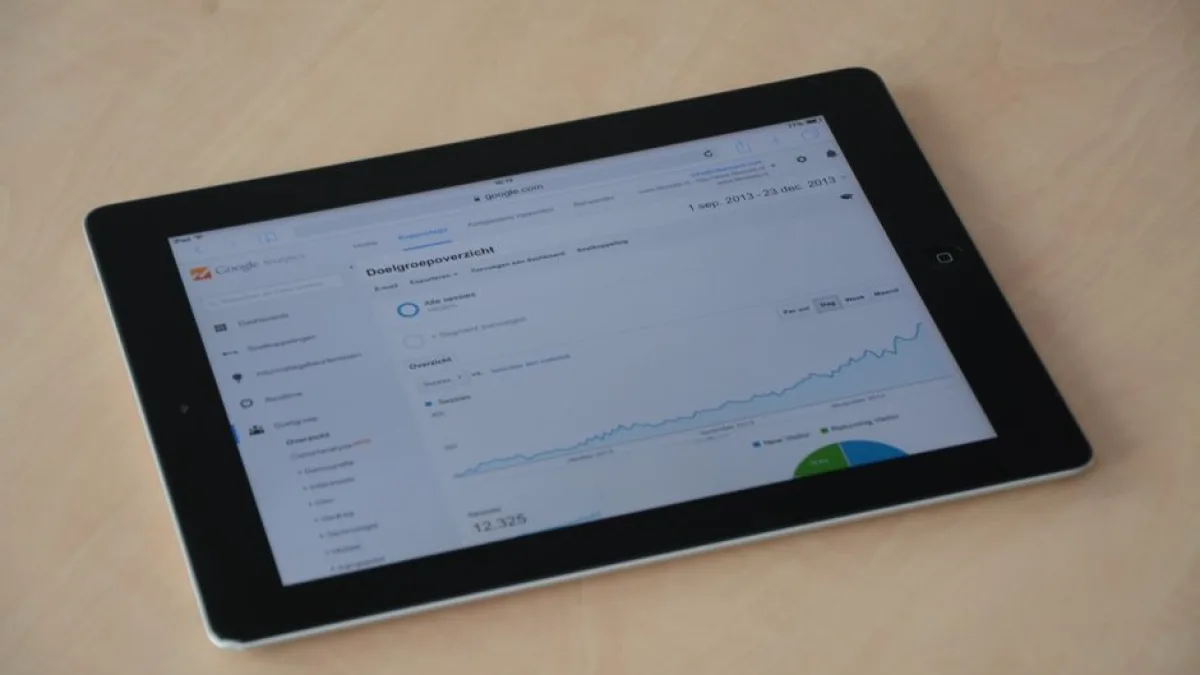
Operational efficiency is inextricably linked to financial accuracy. When your shipping data flows seamlessly into your accounting software, you remove silos and ensure that every action on the floor translates correctly to the bottom line of your organization.
- Eliminate data silos: Connecting your freight management system with financial modules ensures that operational data feeds directly into your invoices, preventing the loss of revenue on miscellaneous logistics charges.
- Unified reporting systems: Creating a single source of truth for both operations and finance staff reduces confusion and fosters better collaboration between departments during busy peak shipping seasons.
- Audit readiness: Keeping every financial document and operational log in a single digital location simplifies the audit process, ensuring your business remains compliant with international logistics regulations.
- Scale your operations: An integrated software environment allows you to take on more shipments without increasing your administrative headcount, directly contributing to higher profit margins and faster growth.
Bridging the gap between operations and finance is a fundamental step toward maximizing your firm's potential. By ensuring that your teams share a unified platform, you improve the speed and quality of every transaction. This level of synergy allows you to deliver better service to your clients while protecting your internal profitability. Consistent integration remains the cornerstone of a modern and highly efficient freight forwarder.
Conclusion

Optimizing your financial workflows is a vital component of successful freight forwarding. By automating invoicing, managing currency risks, and integrating data systems, you create a robust foundation for sustainable growth. Start leveraging MakeCargo to modernize your financial operations and stay ahead of the competition. Streamlined billing and better visibility will ultimately empower your team to focus on providing world-class logistics services to clients.