Mastering Financial Efficiency in Modern Freight Forwarding
Sunday, October 11 2026
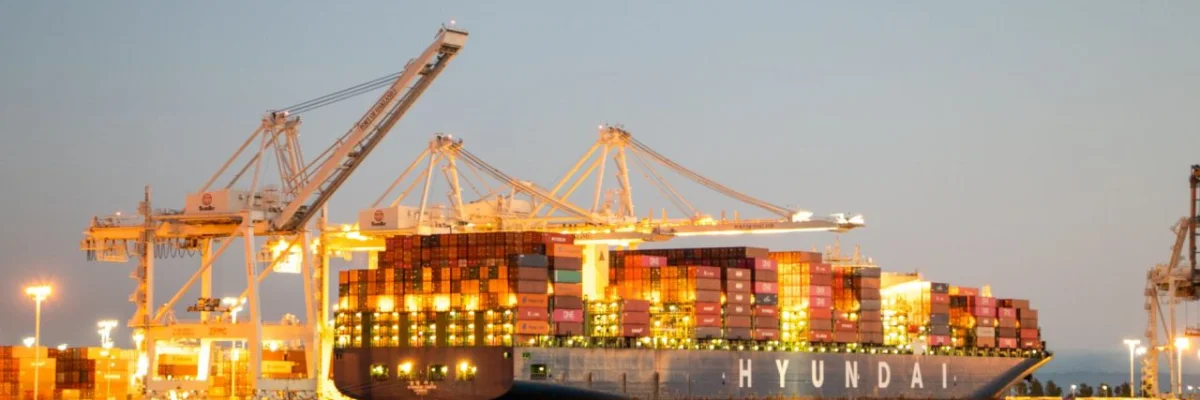
Freight forwarders operate within an incredibly complex financial ecosystem where profit margins are often razor thin and cash flow remains the lifeblood of daily operations. Achieving long-term profitability requires a shift from manual spreadsheets to integrated cloud-based billing solutions that automate repetitive tasks. By embracing digital transformation, logistics leaders can eliminate human error, reconcile accounts faster, and provide clients with transparent, real-time invoicing. This evolution is not merely about staying competitive but about building a resilient organization capable of scaling effectively in a volatile global market. Our latest guide explores how technology empowers forwarders to gain control over their financial destinies.
Optimizing Automated Invoicing Workflows

The manual preparation of freight invoices consumes valuable time that could be spent on strategic business growth. Automating these workflows reduces the risk of costly billing discrepancies while ensuring that your team can focus on complex exception handling and high-value customer service tasks.
- Seamless data integration: Connecting your operational platform with accounting systems ensures that all shipment details flow directly into invoices without requiring manual re-entry or constant cross-checking between two systems.
- Reduced processing time: Automated invoice generation templates allow your finance team to issue documents minutes after shipment confirmation, significantly decreasing the traditional wait times for payment collection cycles.
- Standardized billing formats: Maintaining professional and consistent invoice layouts builds client trust and makes it easier for your customers to process your charges within their own internal systems.
- Automatic currency conversion: Advanced software handles multi-currency transactions dynamically, reducing the math errors that occur when manually calculating exchange rates for international shipments during the busy billing period.
By implementing robust automation, freight forwarders minimize the burden of administrative overhead while improving the accuracy of their financial documentation. This transition allows finance professionals to move beyond manual data entry and focus on higher-level analytical tasks. When errors are removed from the billing cycle, customer satisfaction levels naturally rise because clients receive precise, timely, and easy-to-understand invoices for their complex logistical requirements every single time.
Managing Cash Flow Volatility

Cash flow stability is the primary challenge for forwarders who must pay carriers upfront while waiting for client payments. Proactive monitoring and digital payment solutions provide the necessary visibility to navigate these periods of high financial pressure and operational uncertainty.
- Real-time visibility tools: Dashboards provide an instant overview of pending receivables and outstanding payables, enabling management to make informed decisions about liquidity management during challenging economic cycles or downturns.
- Early payment incentives: Offering flexible discount options for clients who settle invoices before the due date creates a healthy cash reserve that stabilizes your daily financial operations effectively.
- Integrated payment gateways: Enabling direct digital payment methods allows your customers to settle balances instantly, which significantly reduces the time your team spends chasing late payments or reconciliation.
- Credit limit monitoring: Automated systems track customer credit usage, providing alerts when specific accounts approach their limits to prevent over-extension and potential bad debt losses for your forwarding business.
Taking control of cash flow requires a combination of strict credit management and efficient payment processing strategies. When freight forwarders utilize cloud-based tools to track every dollar, they gain the ability to predict potential shortages before they occur. This predictive capability is essential for sustaining growth, as it ensures that your organization remains liquid enough to handle sudden market changes and operational expenses.
Reconciling Carrier Costs Automatically
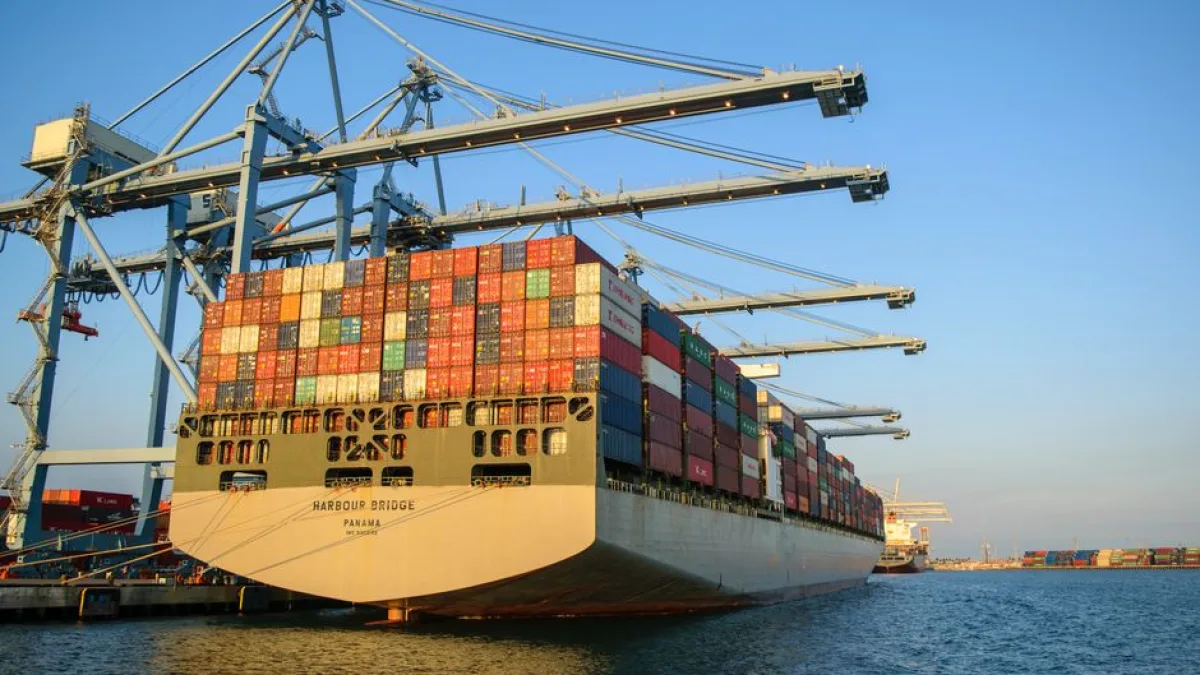
Carrier billing discrepancies are a frequent source of profit leakage in the logistics industry. Automated reconciliation software identifies these inconsistencies immediately, ensuring that you never overpay for services provided by your extensive network of global transportation partners and carriers.
- Automated audit processes: Systems scan incoming carrier invoices against original shipment quotes to instantly flag any price differences that exceed defined tolerances for your company to investigate further.
- Optimized cost control: Maintaining a strict record of negotiated carrier rates prevents hidden charges from slipping through, ensuring that your company always maintains the intended profit margins on shipments.
- Dispute resolution efficiency: Dedicated portals allow your team to attach proof of errors to carrier disputes, which speeds up the correction process and maintains strong relationships with partners.
- Vendor performance tracking: Analyzing reconciliation data helps identify which carriers consistently provide accurate billing, enabling you to choose more reliable partners for future transport needs and cargo routes.
Effective cost reconciliation is a critical component of financial health because small errors accumulate rapidly across thousands of shipments. By automating the auditing of carrier invoices, you protect your bottom line against inaccuracies that were once considered the cost of doing business. This analytical approach to billing allows forwarders to maintain healthy margins while fostering transparency, trust, and accountability throughout the entire carrier network.
Leveraging Financial Analytics Tools
Financial data holds the secret to unlocking hidden profits and improving operational performance. By leveraging advanced analytics, freight forwarders can transform raw numbers into actionable business intelligence that drives smarter decision-making and sustainable long-term profitability across the entire organization.
- Profitability per shipment: Detailed reporting identifies which routes, clients, or service types generate the highest returns, allowing your team to focus efforts on the most profitable segments of business.
- Trend identification capabilities: Identifying seasonal fluctuations or recurring cost increases helps your company prepare budgets in advance, ensuring that you remain agile regardless of global supply chain shifts.
- Customized reporting suites: Generating tailored financial reports for stakeholders provides deeper insight into performance metrics, which helps leadership align financial goals with overall company strategy and growth targets.
- Resource allocation optimization: Data insights reveal how much time your staff spends on specific administrative tasks, allowing you to reallocate human capital to high-impact activities for better.
Turning financial data into insights is what separates top-tier forwarders from the rest of the competitive market. When you utilize data analytics to track performance and profitability, you gain the ability to pivot strategies based on facts rather than assumptions. This approach ensures that your freight forwarding business remains lean, efficient, and ready to meet the ever-evolving demands of the logistics industry today.
Conclusion

Mastering the financial aspects of freight forwarding is essential for long-term success in an unpredictable global landscape. By embracing automation, improving cash flow visibility, and utilizing data-driven insights, your company can achieve unprecedented levels of efficiency. We invite you to explore the MakeCargo platform today to see how our integrated financial tools can simplify your billing, enhance profitability, and help you scale your logistics operations with complete confidence.