Mastering Financial Efficiency in Modern Freight Forwarding
Tuesday, October 27 2026

The freight forwarding industry operates on razor thin margins where financial precision determines success or failure. As global supply chains grow increasingly complex, forwarders must pivot from legacy manual billing methods to automated digital ecosystems. Effective financial management is not merely about tracking invoices but rather creating a seamless flow between operational data and ledger entries. By integrating cloud based software into daily workflows, businesses can reduce human error, accelerate cash flow, and gain a transparent view of profitability across every shipment. This article explores how modern digital tools empower freight professionals to optimize their financial health and maintain a competitive edge.
Optimizing Invoice Processing Workflows
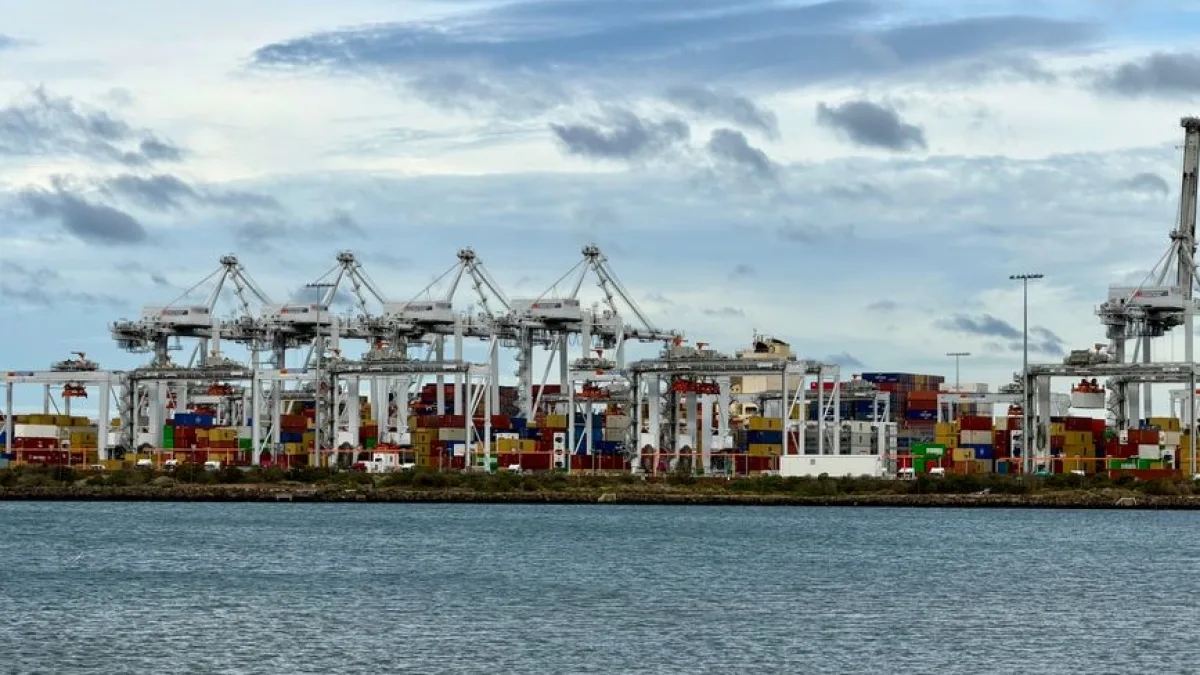
Streamlining the path from shipping document to final invoice is critical for maintaining healthy cash flow. Modern digital solutions eliminate manual entry errors, ensuring that every cost item is accurately captured, verified, and billed to the correct client without delays.
- Automated billing cycles: Systems can automatically generate invoices as soon as milestones are met, ensuring that you reduce the time between service delivery and final payment collection from your clients.
- Data synchronization accuracy: Integrating operational software with accounting tools ensures that every shipment detail matches the invoice, preventing disputes and long payment cycles that drain your business resources.
- Digital audit trails: Maintain a clear record of every change made to a financial document, which simplifies compliance and provides full transparency during internal or external financial audits.
- Reduced manual labor: Automating repetitive tasks frees your accounting staff to focus on high value analysis rather than spending countless hours manually typing numbers into spreadsheets every single day.
- Error reduction strategies: By pulling data directly from shipment files, you eliminate common typos and calculation mistakes that often lead to professional friction between you and your customers.
By shifting to an automated environment, your firm moves beyond simple bookkeeping toward strategic financial management. This transition minimizes the risk of revenue leakage and enhances the overall customer experience by providing professional, accurate documentation every time. Investing in these digital workflows ensures that your finance team remains productive while providing real time insights that help leadership make informed decisions about future business growth opportunities.
Managing Currency Fluctuations Proactively

Fluctuating exchange rates represent one of the most unpredictable variables for international freight forwarders. Without real time monitoring and integrated currency management tools, firms risk losing significant profit margins when settling accounts across various global currencies during standard operations.
- Real time rates: Access live exchange rate updates directly within your platform to ensure that every quote provided to your customer reflects current market conditions without extra risk.
- Multi-currency support: Manage diverse financial transactions seamlessly by maintaining ledger accounts in multiple currencies while keeping your primary financial reporting in your local business currency base.
- Profit protection logic: Implement automated rules that add buffer margins based on current volatility, protecting your net income from unexpected market swings during the cargo transit period.
- Historical rate tracking: Analyze past trends to identify patterns in currency behavior, allowing your team to hedge against future risks more effectively during seasonal periods of high volatility.
- Reporting transparency: Generate detailed financial reports that display both local and foreign currency values to help stakeholders understand exactly where gains or losses originate within accounts.
Proactive currency management is essential for any forwarder operating across international borders. By utilizing smart software features, you remove the guesswork from international trade finance. This approach keeps your operations stable despite global economic instability, allowing you to offer consistent pricing to your clients while preserving your margins. Managing currency risk effectively builds trust and reliability within your partnership network globally.
Improving Cash Flow Visibility

Understanding the current financial state of your logistics business requires a clear and live dashboard view. Centralized reporting allows forwarders to track accounts receivable and payable in one location, highlighting potential bottlenecks before they impact your overall operational liquidity.
- Live dashboards: Gain an instant overview of your outstanding invoices and upcoming payments through interactive charts that simplify complex data into actionable insights for the management team.
- Customizable reporting tools: Design specific reports that cater to your business goals, focusing on aging receivables or profit margins per lane to drive better long term decision making.
- Cash flow forecasting: Predict future income and expenses based on historical data patterns and current bookings to ensure your company always maintains a healthy cash reserve level.
- Payment status tracking: Monitor the real time status of all invoices, allowing your collection team to prioritize follow-up actions based on urgency rather than chasing every client blindly.
- Financial health alerts: Set automated notifications for overdue accounts or high balance exposures, ensuring that your team can take immediate action to protect company working capital resources.
Visibility serves as the backbone of a successful financial strategy in logistics. When managers have access to granular data, they can make adjustments to pricing or service levels that protect the bottom line. By maintaining this high level of clarity, you eliminate the surprises that often plague traditional freight businesses, fostering an environment where financial stability is a consistent reality for all.
Ensuring Compliance and Financial Security

Financial regulations for global trade are increasingly stringent and demand absolute precision. Secure, cloud based systems provide the necessary safeguards to protect sensitive financial records while ensuring that all documentation complies with international and local accounting standards for freight.
- Encrypted data storage: Keep all financial records in highly secure cloud environments that use advanced encryption protocols to prevent unauthorized access or loss of critical customer payment data.
- Regulatory compliance updates: Benefit from software that automatically adjusts to new tax laws or international trade regulations, keeping your firm compliant without needing constant manual policy updates.
- Role based access: Restrict visibility of financial records to authorized personnel only, enhancing internal security and preventing accidental exposure of sensitive company or client financial information internally.
- Seamless audit support: Provide auditors with temporary, restricted access to required documentation, which speeds up the review process and reduces the administrative burden on your accounting staff significantly.
- Data integrity checks: Utilize automated systems that verify the consistency of records across multiple departments, ensuring that your books are always balanced and ready for external review.
Prioritizing security and compliance protects your reputation and prevents costly legal or financial penalties. Modern cloud platforms handle these burdens by centralizing controls and maintaining high security standards that are often impossible to achieve with paper based systems. When your firm can demonstrate total control over financial data, you win the trust of global enterprise clients who demand absolute compliance in their supply chains.
Conclusion

Achieving financial excellence in freight forwarding requires a commitment to digital transformation and continuous process improvement. By leveraging automated systems to handle billing, currency, and reporting, forwarders can reclaim time, protect margins, and ensure long term growth. Embrace these modern financial tools to position your company for success in an increasingly competitive global landscape. Start optimizing your freight financial workflows today for better performance.