Mastering Financial Efficiency in Modern Freight Forwarding
Saturday, August 22 2026

Profitability in the freight forwarding industry hinges on the ability to manage complex billing cycles with precision and speed. As global supply chains grow increasingly volatile, manual accounting processes often lead to errors, cash flow bottlenecks, and delayed payments that hinder business growth. By adopting cloud-based financial strategies, forwarders can transform their billing operations from a back-office burden into a competitive advantage. This guide explores the essential financial practices necessary to maintain healthy margins, improve billing accuracy, and ensure your logistics operations remain scalable while navigating the intricate fiscal challenges of modern international trade and global cargo shipping.
Automating Invoice Management
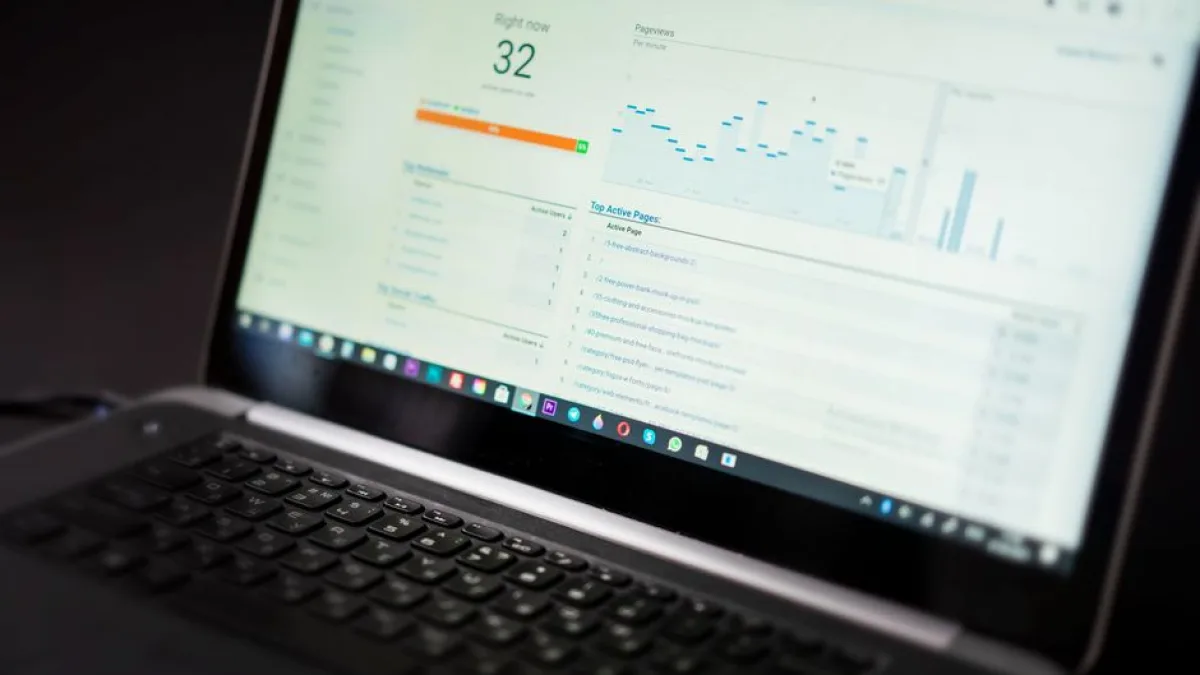
Automated invoicing tools serve as the backbone of a high-performing finance department. By replacing manual data entry with digital workflows, companies eliminate human error and accelerate the time it takes to process invoices, ultimately securing faster payments from your global logistics clients.
- Eliminate manual errors: Automating the creation of invoices ensures that rate cards, currency conversions, and surcharges are applied accurately every time, significantly reducing the need for time-consuming credit notes later.
- Speed up collection: Cloud platforms generate invoices immediately upon shipment completion, allowing finance teams to shorten the billing cycle and maintain a healthy cash flow throughout the fiscal period.
- Standardized data flow: Centralizing billing data within a single platform provides consistent reporting across all shipments, making it easier for accountants to reconcile accounts and identify discrepancies quickly.
- Real-time status tracking: Automated systems notify staff the moment an invoice is viewed or disputed, enabling proactive communication and immediate resolution of potential payment delays with your business partners.
Transitioning to an automated system provides your team with the visibility required to make informed financial decisions. By removing the repetitive tasks associated with billing, your accountants can focus on strategic tasks rather than administrative upkeep. This shift not only improves the internal bottom line but also creates a professional experience for your customers who receive transparent, accurate, and timely documentation for every shipment.
Optimizing Cash Flow Visibility

Visibility into your cash flow is critical when managing high-volume freight operations. When you have access to real-time financial reporting, you can anticipate upcoming expenses and identify revenue gaps, allowing for more proactive financial planning and better investment decisions.
- Accurate cash forecasting: Analyzing historical shipping data allows managers to predict future revenue streams and prepare for seasonal fluctuations, ensuring the company has sufficient capital to cover operational costs.
- Monitor payment trends: Identifying which clients consistently pay late allows your team to adjust credit terms or payment requirements before these habits negatively impact your company liquidity.
- Control overhead costs: Detailed reports break down expenditure by route or service type, highlighting areas where operational costs are rising and providing opportunities to renegotiate carrier contracts effectively.
- Unified financial insights: A centralized dashboard consolidates information from all departments, giving leadership a holistic view of the company financial health without needing to toggle between multiple disconnected legacy systems.
Having a clear window into your financial health prevents unexpected liquidity crises and empowers decision-makers to steer the company toward profitable routes and clients. By utilizing these analytical tools, forwarders can move past reactive budgeting and start implementing growth-oriented strategies. Consistent monitoring creates a resilient foundation that allows the business to withstand market volatility while maintaining stable profit margins during lean months.
Streamlining Multi-Currency Billing

International freight often involves transactions across multiple countries and currencies, which complicates accounting significantly. Managing these exchange rates correctly is vital to protecting your margins and ensuring that currency fluctuations do not erode the profits generated from your global shipping services.
- Automatic rate updates: Integrating live exchange rate feeds ensures that every invoice reflects current market values, preventing losses that occur when using outdated or fixed currency conversion rates.
- Reduce exchange risk: Standardizing transactions in your base currency while clearly displaying local charges helps minimize financial exposure and ensures your accounting team maintains accurate balance sheets consistently.
- Simplify client invoicing: Delivering invoices in the client local currency improves customer satisfaction and reduces payment friction, as it simplifies their own internal accounts payable processes for overseas shipments.
- Audit ready reporting: Maintaining a clear record of the exchange rates used at the time of each transaction provides the transparency needed for tax compliance and external financial audits.
Efficient multi-currency management removes the complexity of cross-border trade, allowing you to scale internationally without financial headaches. By leveraging software that automates currency conversion, your team can focus on growth rather than constant manual reconciliation. Maintaining this level of accuracy ensures that your pricing strategies remain competitive, protecting your bottom line from the unpredictable nature of global currency markets during complex international transactions.
Ensuring Regulatory Compliance

Maintaining strict compliance with local and international financial regulations is non-negotiable for freight forwarders. Proper billing processes ensure that all tax obligations are met, documentation is complete, and your company avoids the costly legal repercussions associated with poor financial record-keeping practices.
- Digital record retention: Secure cloud storage ensures that all financial documents are backed up and easily retrievable for tax authorities, which is essential for passing rigorous financial audits easily.
- Tax calculation accuracy: Automated systems apply the correct tax rules based on shipment origin and destination, ensuring your company remains compliant with local regulations and VAT requirements for logistics.
- Secure audit trails: Tracking every change made to a financial record provides accountability and ensures that all billing activity can be traced back to the original source document.
- Simplified compliance reporting: Generate pre-formatted reports for regulatory bodies, reducing the burden on your administrative staff and ensuring that all mandatory submissions are completed on schedule every time.
A robust compliance framework protects your company reputation and prevents expensive penalties during tax season. By automating the documentation process, you ensure that every transaction is logged, verifiable, and aligned with industry standards. This dedication to financial integrity builds trust with partners and regulators alike, fostering a reliable brand image that encourages long-term partnerships and facilitates smoother operations in global shipping markets.
Conclusion

Implementing modern financial tools is the most effective way to secure your future in the competitive freight forwarding sector. By automating billing, monitoring cash flow, and ensuring strict compliance, your firm gains the agility required to scale operations efficiently. Start optimizing your finance workflows today to drive profitability, reduce manual administrative errors, and focus your talented team on delivering exceptional value to your global clients.