Mastering Financial Efficiency in Modern Freight Forwarding
Saturday, September 12 2026

Freight forwarding is fundamentally a game of precision, where the complexity of global logistics meets the high-pressure demands of cash flow management. For forwarders, the gap between settling vendor payments and receiving customer remittances can create significant liquidity strain if not managed with absolute diligence. Modern digital platforms have shifted the landscape, moving away from manual accounting toward automated billing systems that reduce human error and accelerate payment cycles. By adopting cloud-native tools, logistics professionals can now secure their profit margins, ensure total fiscal transparency, and maintain a competitive advantage in a volatile global market that demands speed and accuracy.
Optimizing Accounts Receivable Cycles

Maintaining a healthy cash flow depends heavily on the efficiency of your billing cycle. Digitized invoicing allows forwarders to track every transaction from documentation to payment receipt, ensuring that discrepancies are identified early and disputes are resolved through transparent, data-backed communication.
- Automated Invoice Generation: Automatically generate accurate invoices by pulling real-time data from shipment records, which eliminates manual entry errors and ensures that every accessorial fee is captured for billing.
- Real-time Payment Tracking: Monitor the status of outstanding payments through a centralized dashboard that provides instant visibility into your firm's current cash position and overall aging report.
- Client Portal Access: Provide your customers with a secure portal where they can view, download, and pay their invoices instantly, which simplifies the process and drastically shortens payment delays.
- Proactive Payment Reminders: Set up automated triggers that send polite reminders to clients before and after due dates to ensure consistent cash flow without requiring repetitive manual intervention.
By streamlining the accounts receivable process, you reduce the time your capital remains tied up in pending transactions. This shift toward automation removes administrative bottlenecks that often lead to delayed payments. When your team spends less time chasing late invoices and more time analyzing financial reports, the entire business benefits from improved liquidity and the ability to reinvest capital into strategic growth opportunities.
Streamlining Vendor Payment Workflows
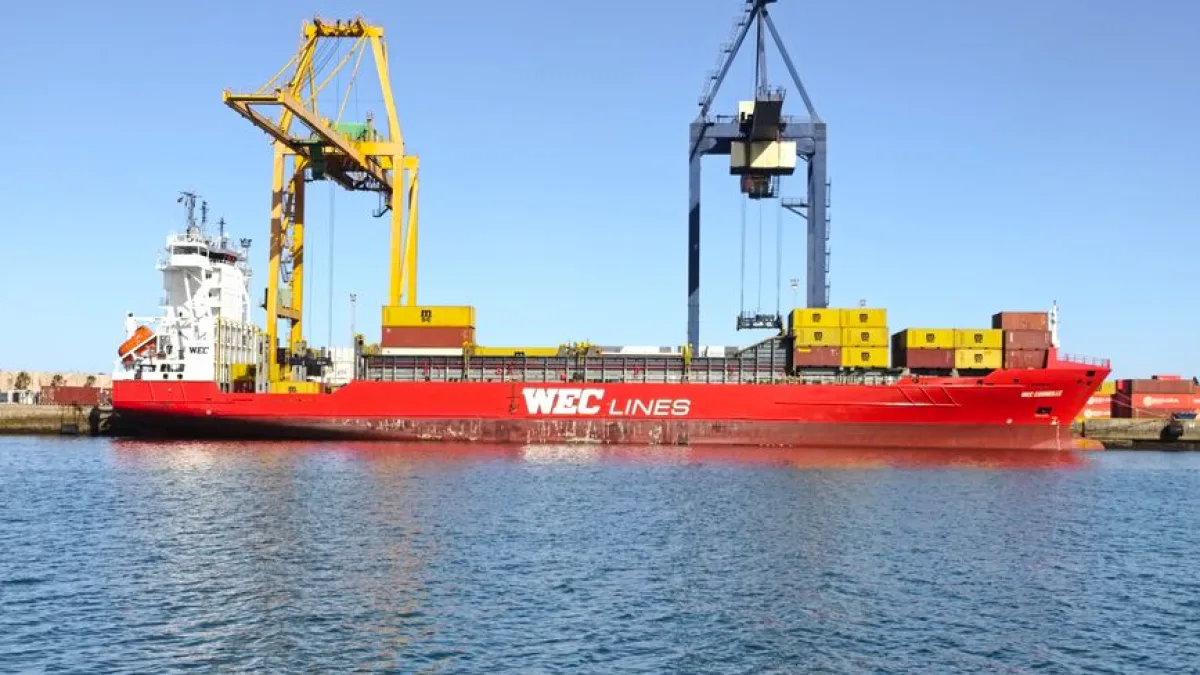
Managing vendor payouts is just as critical as managing collections, especially when dealing with multiple global carriers and agents. A robust system ensures that carrier invoices match original quotes, preventing overpayments and protecting your bottom line from unexpected or inflated costs.
- Three-way Matching Logic: Automatically verify vendor invoices against purchase orders and shipment details to confirm that the billed amount aligns perfectly with the previously agreed-upon freight rates.
- Centralized Carrier Database: Store all carrier information and payment terms in one secure location to facilitate quick processing of payments and maintain strong professional relationships with partners.
- Multi-currency Support Tools: Handle payments in various currencies efficiently while automatically accounting for exchange rate fluctuations to maintain accurate financial records and prevent loss from market shifts.
- Integrated Ledger Entries: Automatically synchronize all outgoing payments with your general ledger to ensure that accounting books are always balanced and ready for end of month reporting.
Efficient vendor management is the cornerstone of sustainable logistics partnerships. When you pay carriers promptly and accurately, you establish a reputation for reliability that can lead to better service agreements in the future. By automating the validation process, your finance team avoids the common pitfalls of double billing or incorrect surcharges. This precision keeps operational costs predictable and simplifies complex audit procedures for your firm.
Reducing Financial Compliance Risks

Navigating the complex world of international tax regulations and customs requirements presents a significant risk for freight forwarders. Modern cloud software helps mitigate these dangers by ensuring that every transaction complies with local laws and international standards through standardized digital audit trails.
- Detailed Audit Trails: Keep a comprehensive and immutable record of every financial transaction that provides a clear history of approvals, edits, and payments for simplified tax audits.
- Tax Calculation Accuracy: Utilize built-in tax engines that automatically apply the correct regional tax codes based on shipment origin and destination to ensure full regulatory compliance.
- Access Control Levels: Implement granular security permissions to restrict sensitive financial data to authorized personnel, protecting your company from internal fraud and unauthorized ledger modifications.
- Automated Reporting Tools: Generate real-time compliance reports at the click of a button to ensure that your business stays aligned with evolving international trade and finance laws.
Compliance is not merely a legal requirement, but a strategic asset that builds trust with global partners and clients alike. By automating your record-keeping and tax calculations, you effectively eliminate the risk of human error in your financial reporting. Staying ahead of regulatory changes ensures your operations remain uninterrupted, allowing your team to focus on growth while maintaining a spotless fiscal reputation.
Leveraging Analytics for Profitability

Data is the most valuable resource for a forwarder looking to maximize profitability. By analyzing financial performance trends, you can identify which routes, carriers, or service types yield the highest margins, allowing you to refine your business strategy based on concrete evidence.
- Profit Margin Analysis: Monitor the profitability of every individual shipment in real-time to identify high-performing services and those that require price adjustments to improve your bottom line.
- Customized Performance Dashboards: Visualize key financial metrics like revenue growth, operational expenses, and net profit through customizable dashboards that provide actionable insights at a single glance.
- Trend Forecasting Models: Use historical financial data to predict seasonal revenue fluctuations and prepare your business for future market shifts by adjusting your budget or resource allocation.
- Carrier Cost Benchmarking: Compare the cost efficiency of different carrier options over time to make data-driven decisions when negotiating future freight rates and service level agreements.
Data-driven decision making transforms finance from a reactive department into a proactive driver of business growth. When you can pinpoint exact areas of inefficiency, you gain the power to optimize your pricing structures and service offerings. This analytical approach ensures your firm stays ahead of competitors by focusing resources on the most profitable segments of your logistics operation and overall trade portfolio.
Conclusion
Financial health is the backbone of any successful freight forwarding operation, requiring a blend of technological adoption and disciplined management. By integrating automated billing, precise vendor management, strict compliance protocols, and deep data analytics, you can elevate your financial performance to new heights. Embrace these digital tools today to simplify complex workflows, reduce overhead costs, and ensure your business remains sustainable and profitable for years ahead.