Mastering Financial Workflows in Modern Freight Forwarding
Wednesday, July 29 2026

Efficient financial management stands as the backbone of every successful freight forwarding operation today. As global supply chains grow increasingly complex, the reliance on manual billing processes often creates bottlenecks that hinder cash flow and client satisfaction. By integrating advanced digital solutions, forwarders can automate invoicing cycles, reduce human error, and gain real-time visibility into their profit margins. Transitioning to cloud-based financial systems allows businesses to shift focus from mundane administrative tasks toward strategic growth initiatives. This comprehensive approach ensures that every shipment is accounted for accurately, ultimately protecting your company bottom line in a highly competitive and fast-paced international market.
Automating Invoicing Cycles

Automation in billing minimizes the time spent on repetitive tasks while ensuring that your invoices are generated immediately upon delivery. This rapid turnaround significantly improves your accounts receivable metrics and keeps your company cash flow healthy and predictable.
- Eliminate manual entry: Removing manual data entry points reduces the risk of human error and ensures that every invoice reflects the exact costs associated with specific cargo movements.
- Faster payment cycles: Automated digital invoicing allows clients to receive documents instantly, which naturally accelerates the overall payment collection process for your team to manage effectively.
- Consistent billing templates: Using standardized templates across all customer accounts ensures that your brand professionalism remains intact while simplifying the review process for your finance team.
- Integration with systems: Seamlessly connecting your billing module to your freight management platform ensures that all tariff data and surcharge details update in real time.
By leveraging automation, your finance team avoids the trap of spending hours cross-referencing shipping documents. Instead, they can monitor exceptions and focus on high-value client relationships that drive long term revenue. This shift in operational focus allows your firm to scale rapidly without needing to add extra headcount solely to manage the increasing volume of billing paperwork per shipment.
Managing Currency Fluctuations

Global logistics involves handling multiple currencies, which introduces volatility that can erode your profit margins. Implementing intelligent tools to track exchange rates ensures that your quotations and final invoices reflect accurate values during international cross-border operations.
- Real time monitoring: Track currency movements against your operating budget to ensure that you capture optimal exchange rates during every transaction across global shipping lanes.
- Automatic conversion tools: System features that convert local currencies to your base reporting currency eliminate manual arithmetic errors during the final reconciliation of accounts.
- Transparent client quotes: Providing quotes in multiple currencies helps international clients understand their costs clearly without needing to perform their own secondary calculations or conversions.
- Mitigate financial risk: Setting automated buffers for currency fluctuations helps protect your firm against sudden market drops that could otherwise turn a profitable shipment into a loss.
Smart management of foreign exchange impacts provides a safety net for your international logistics business. When your software handles the complexities of currency math automatically, your team can quote with confidence knowing the margins are protected against market volatility. This precision builds trust with partners and ensures your financial reporting remains accurate even when trading across many different global regions.
Streamlining Expense Reconciliation

Reconciling vendor invoices against internal records often proves to be the most time-consuming task for forwarders. Utilizing cloud software allows you to match costs automatically, ensuring that you pay only for services rendered while identifying discrepancies quickly.
- Automated cost matching: Match vendor invoices against your internal shipment files automatically to detect any overcharges or billing errors before payments are ever authorized for release.
- Vendor dispute resolution: Documenting and tracking billing disputes through a centralized platform makes it easier to resolve issues with carriers and port service providers.
- Audit ready reporting: Maintain a digital trail of every financial transaction to ensure that your business stays compliant during internal or external financial audits.
- Centralized document storage: Keeping all receipts and carrier invoices in a single cloud location simplifies the review process and reduces the risk of losing important files.
Efficient reconciliation processes prevent money from leaking out of your business due to missed invoices or duplicate payments. By using a digital platform to manage these tasks, you create a robust internal control environment. This level of rigor satisfies stakeholders and provides the executive team with the reliable financial data required to make informed decisions about future logistics expansions.
Enhancing Financial Reporting Accuracy
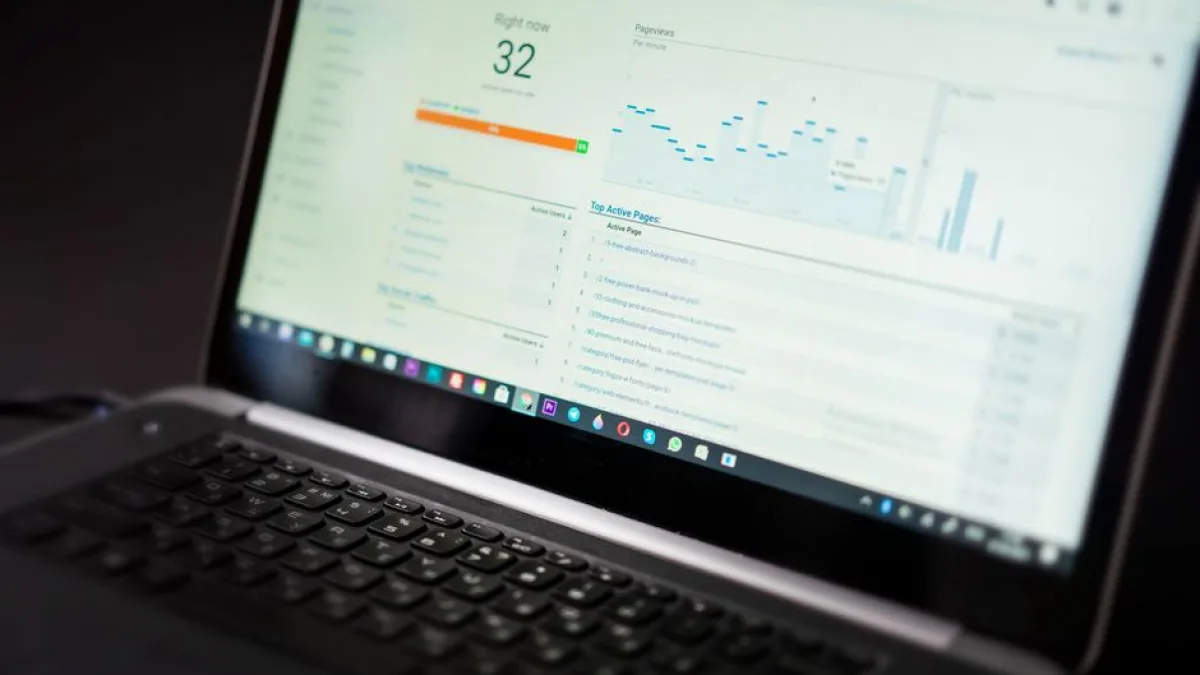
Data driven insights are essential for forwarders who want to stay ahead of the competition. Advanced analytics provide a clear view of your financial health, identifying which lanes or client segments generate the most significant returns for your company.
- Customizable dashboard views: Configure your analytics dashboard to display the financial KPIs that matter most to your business strategy and current quarterly growth objectives.
- Profitability per lane: Identify high performing trade lanes by analyzing net margins after accounting for all freight costs, port charges, and administrative overhead expenses involved.
- Client trend analysis: Analyze historical billing patterns to identify opportunities for upselling or areas where service delivery needs to be improved for major clients.
- Forecasting future revenue: Use predictive modeling based on your historical financial data to forecast future cash flow needs and prepare your business for seasonal shifts.
Accurate reporting serves as the foundation for long term planning and strategic decision making. When your financial data is clear and accessible, you can identify growth opportunities that were previously hidden beneath layers of raw numbers. This visibility empowers your leadership team to allocate resources effectively, ensuring that your freight forwarding business remains profitable, agile, and ready for future market challenges.
Conclusion

Mastering your financial workflows is essential for scaling a successful freight forwarding business in today economy. By adopting digital tools to handle invoicing, currency risks, reconciliation, and reporting, you secure your profit margins and improve operational efficiency. Start optimizing your financial processes today with a modern software solution to ensure that your company remains competitive, transparent, and ready for sustainable long term growth.