Mastering Financial Workflows in Modern Freight Forwarding
Tuesday, August 25 2026

Efficient financial management stands as the backbone of every successful freight forwarding operation today. As global supply chains grow increasingly complex, the reliance on manual billing processes often leads to costly errors, delayed payments, and significant cash flow bottlenecks. For logistics companies, integrating cloud-based software is no longer a luxury but a fundamental requirement to maintain competitive margins. By leveraging automated systems, forwarders can transform their billing departments from reactive cost centers into proactive drivers of growth, ensuring that every shipment is accounted for with pinpoint accuracy and lightning speed from origin to final destination.
Optimizing Revenue Management

Managing revenue in logistics requires a sophisticated approach to tracking multifaceted charges and secondary fees. Modern platforms allow forwarders to capture every billable event automatically, reducing the risk of revenue leakage caused by missed surcharges or incorrect currency conversion calculations during operation.
- Real-time revenue tracking: Capture all shipment costs immediately to prevent missed billable items while ensuring that every service rendered is captured within the central billing system for accurate invoicing.
- Automated currency handling: Eliminate manual conversion errors by using software that pulls live market rates to calculate multi-currency transactions across global shipping routes with high financial precision.
- Unified rate management: Store complex carrier tariffs in a centralized database to ensure that quotes provided to customers match the final invoices generated by your operations team.
- Smart fee calculation: Automate the application of accessorial charges such as detention, demurrage, or port storage fees to ensure consistency and transparency in all your customer financial statements.
By digitizing the revenue cycle, freight forwarders eliminate the manual labor associated with reconciling disparate data sources. This transition to automated systems allows teams to focus on scaling business operations rather than chasing down billing discrepancies. When your financial data is unified, you gain a clear view of true profitability per lane, which empowers management to make better decisions regarding future carrier partnerships and client pricing.
Streamlining Accounts Payable

Managing outgoing payments to carriers and vendors is a high-stakes task that demands extreme organization. A cloud-based platform simplifies this by digitizing document submission and providing a clear audit trail for every transaction, preventing costly late fees or disputes.
- Vendor portal integration: Allow your carriers to submit invoices directly into your system, reducing the time spent on manual data entry and minimizing the risk of processing errors.
- Automated invoice matching: Instantly compare carrier invoices against original bookings and system data to ensure that charged rates align perfectly with previously negotiated agreements before releasing any funds.
- Approval workflow automation: Define custom internal hierarchies that automatically route invoices to the correct department heads for sign-off based on specific shipment value thresholds or budget constraints.
- Payment status transparency: Provide vendors with instant access to their payment status, which fosters better communication and helps maintain strong, long-term relationships with your core carrier network partners.
When you automate accounts payable, you significantly reduce the administrative burden on your finance staff. By replacing manual paperwork with digital workflows, your team can resolve discrepancies in minutes rather than days. This efficiency not only keeps your operations running smoothly but also strengthens your reputation among logistics partners, ultimately leading to better service terms and priority support when you need it most.
Enhancing Cash Flow Visibility

Cash flow remains the lifeblood of the logistics industry, and real-time visibility is essential for maintaining liquidity. Cloud software provides dynamic reporting tools that allow leaders to monitor the movement of funds across all active shipments and billing accounts.
- Dynamic cash forecasting: Utilize predictive analytics tools to anticipate future cash inflows based on current shipment status and historical payment trends from your most frequent global customers.
- Aging report automation: Generate instant reports that identify outstanding payments and flag overdue invoices, allowing your collections team to take swift, targeted action to recover capital.
- Unified financial dashboards: Monitor key performance indicators on a single screen to see a snapshot of total current liabilities and assets without needing to compile static spreadsheets.
- Proactive anomaly detection: Receive automated alerts when financial data deviates from established norms, such as unusual spikes in shipping costs or unexpected delays in vendor invoice submissions.
Visibility into your financial health allows for agile decision making in a fast-paced market. Instead of relying on monthly reports that are outdated by the time they arrive, you get an immediate picture of where your company stands. This high level of oversight enables you to allocate capital strategically, ensuring that you always have the necessary resources to expand into new trade routes.
Automating Compliance and Reporting
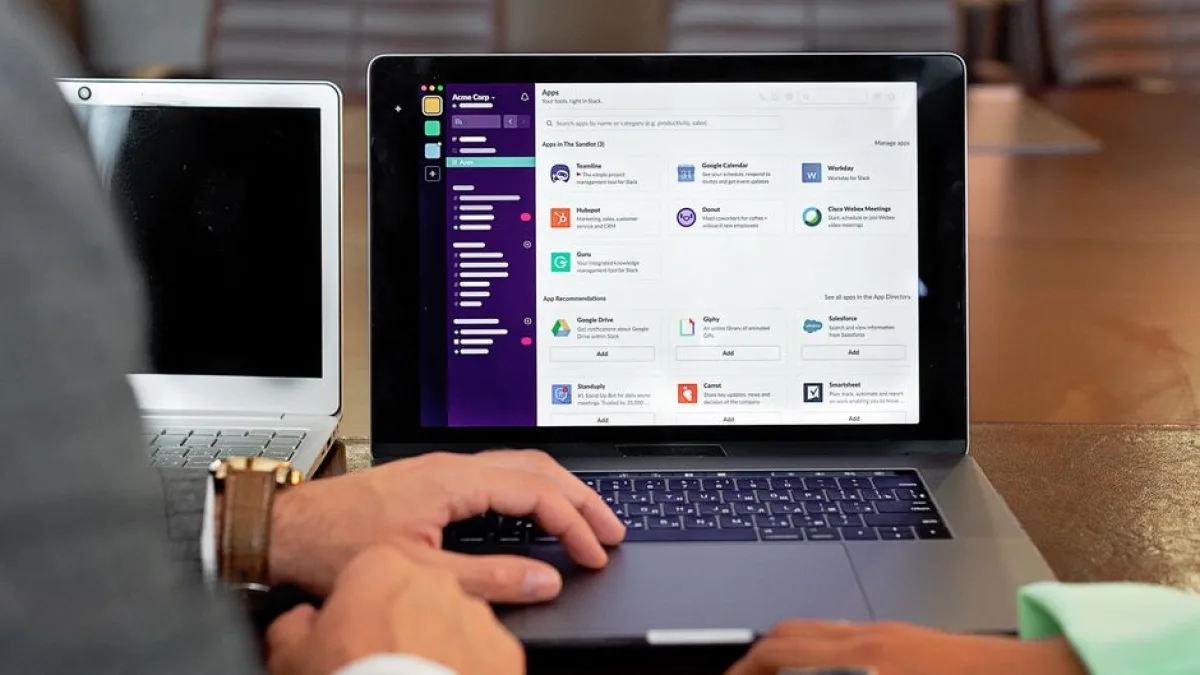
Regulatory compliance in freight finance requires meticulous documentation and transparent record keeping. Automated systems ensure that all financial interactions adhere to industry standards and tax regulations, significantly reducing the stress associated with periodic audits and internal financial reviews.
- Audit trail history: Maintain a tamper-proof digital log of every financial modification, ensuring complete accountability and ease of access during external audits or internal performance review cycles.
- Tax compliance features: Automatically apply the correct local and international tax codes to invoices based on the jurisdictions involved in the shipment to ensure full regulatory alignment.
- Standardized reporting formats: Produce professional financial statements with just a few clicks, making it easier to present accurate performance metrics to stakeholders, investors, or regional bank partners.
- Data security protocols: Protect sensitive financial information with enterprise-grade encryption and access controls, ensuring that your company data remains safe from unauthorized access and potential digital threats.
Compliance is often viewed as a burdensome requirement, but with the right software, it becomes a competitive advantage. Automating these processes ensures that you are always audit-ready, minimizing the risk of penalties while demonstrating professional reliability to your clients. By securing your data and standardizing your reporting, you position your logistics company as a stable and trustworthy partner in the global trade ecosystem.
Conclusion

Implementing a modern financial management strategy is essential for any forwarder looking to scale efficiently. By automating revenue tracking, simplifying payables, and ensuring compliance through cloud technology, you reduce overhead and boost profitability. Evaluate your current software today to see how digital transformation can refine your billing processes. Connect with the MakeCargo team to learn more about optimizing your entire freight forwarding financial workflow.