Mastering Financial Workflows in Modern Freight Forwarding
Monday, September 28 2026

Efficient financial management serves as the backbone of every successful freight forwarding operation. As global trade becomes increasingly complex, the pressure to maintain accurate billing cycles and optimize cash flow has never been higher. Modern logistics providers must transition away from manual accounting practices that are prone to human error and significant delays. By leveraging cloud-based platforms, forwarders can gain real-time visibility into their margins, streamline invoicing processes, and ensure timely collections. Mastering these financial workflows is not just about keeping the books balanced, but about building a scalable foundation that supports sustainable business growth in an ultra-competitive market.
Automating Your Invoicing Process
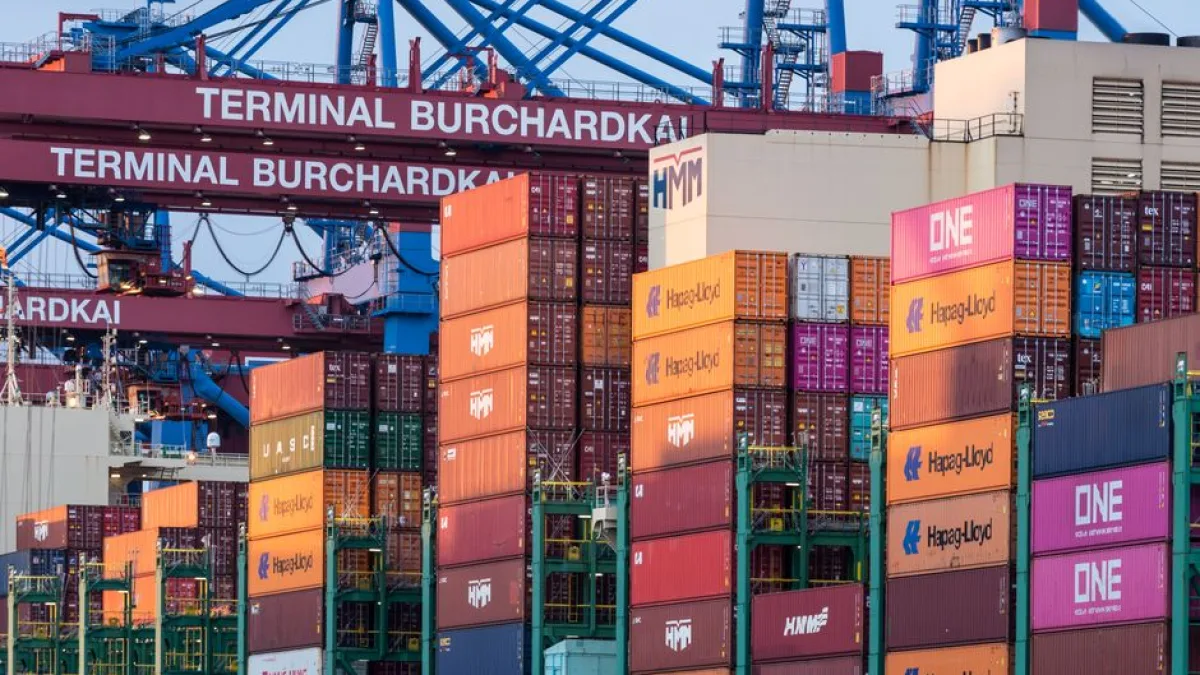
Automated invoicing tools transform how freight forwarders handle billing by removing manual data entry hurdles. This digital approach ensures that every charge is captured correctly, reducing the common discrepancies that lead to payment delays and strained client relationships with stakeholders.
- Speeding Up Billing: Automated systems generate professional invoices instantly upon shipment milestone completion, ensuring that your company receives payment faster while reducing the administrative burden on your accounting department team.
- Reducing Human Error: By pulling data directly from shipment records, the software eliminates manual entry mistakes that frequently cause invoice disputes and create reconciliation nightmares for your finance staff members.
- Dynamic Currency Conversion: Handle international shipments with ease by using built-in currency conversion tools that update rates in real time, protecting your profit margins from unexpected exchange rate fluctuations.
- Integration With CRM: Connect your financial module to your existing CRM to maintain a single source of truth for client data, ensuring that contact information and billing preferences remain updated.
Adopting automated invoicing represents a massive leap forward for any logistics business looking to scale operations efficiently. By shifting the workload away from repetitive manual tasks, your team can refocus on strategic goals like acquiring new accounts and improving overall customer service quality. This technological transition minimizes overhead costs significantly while ensuring that your cash flow remains healthy throughout the entire fiscal year cycle.
Managing Complex Vendor Settlements

Managing vendor payments involves coordinating with carriers, warehouses, and customs brokers across different regions. Effective settlement systems enable forwarders to track accruals, verify service costs, and maintain healthy partnerships by ensuring every vendor gets paid on time without any hassle.
- Real-time Cost Tracking: Monitor every cost associated with a shipment the moment it occurs, allowing you to identify potential budget overruns before they impact your overall project profitability metrics.
- Streamlined Approval Workflows: Implement digital approval chains that require manager verification for specific cost thresholds, providing an extra layer of financial security against unauthorized spending or incorrect billing errors.
- Vendor Statement Reconciliation: Utilize smart tools to automatically match vendor invoices against internal records, highlighting any discrepancies so they can be addressed immediately with your logistics partners and suppliers.
- Automated Payment Reminders: Never miss a due date again by setting up automated alerts for your accounts payable team, ensuring that all obligations are met within the agreed terms.
Establishing a robust vendor settlement process is vital for maintaining strong relationships with your carrier network. When partners trust that your payment cycle is predictable and transparent, they are often more likely to offer priority space or better rates during peak seasons. This strategic stability turns your finance department into a competitive asset that helps your company secure reliable capacity for customers.
Optimizing Cash Flow Visibility

Maintaining a clear view of your cash flow is essential for planning future investments and managing day-to-day operations. Freight forwarders often struggle with fluctuating working capital requirements, making it crucial to use digital dashboards that provide instant insights into financial performance.
- Live Cash Dashboards: Access interactive visual reports that display your current cash position, helping leadership make data-driven decisions regarding operational scaling or urgent investment needs within the company.
- Predictive Financial Forecasting: Leverage historical shipment data to predict future revenue trends, allowing your management team to prepare for seasonal demand shifts and manage working capital requirements effectively.
- Aging Report Management: Monitor outstanding receivables with detailed aging reports that categorize unpaid invoices, enabling your collections team to prioritize follow-ups and minimize the number of days sales outstanding.
- Custom Financial Reporting: Generate tailored reports that provide deep insights into specific lanes or service types, uncovering hidden cost drivers that might be eroding your bottom line today.
Total visibility into your finances acts as a safety net that protects your organization during market downturns or unexpected spikes in operational expenses. With a cloud-based platform, you can monitor your liquidity at any moment, enabling smarter decision-making across the entire enterprise. This proactive approach ensures that your company stays solvent, agile, and prepared for whatever challenges the global supply chain creates.
Ensuring Regulatory Financial Compliance

Financial compliance is a critical aspect of international trade, requiring strict adherence to tax regulations and customs requirements across different jurisdictions. Forwarders must maintain rigorous audit trails to avoid heavy penalties and ensure that every transaction follows local and international laws.
- Automated Audit Trails: Store a complete digital history of every financial transaction and invoice, ensuring that your records are always prepared for thorough external audits or internal compliance reviews.
- Tax Compliance Management: Automatically apply correct tax rates for various regions and shipment types, significantly reducing the risk of non-compliance and avoiding costly fines from international tax authorities.
- Secure Data Handling: Protect sensitive client financial information with advanced encryption and user-access controls, meeting the highest standards for data privacy and security in the modern digital age.
- Customs Duty Reporting: Simplify the process of calculating and reporting customs duties by integrating specific duty tables directly into your platform, ensuring total accuracy for every import declaration submitted.
Navigating the complex landscape of global financial regulations requires specialized tools that keep your business protected from unforeseen legal consequences. By automating compliance tasks, you free your team from the stress of manual filing and allow them to focus on moving freight efficiently. A compliant operation is a sustainable one, fostering long-term trust with your clients, partners, and regulatory bodies worldwide.
Conclusion

Optimizing your finance and billing processes is an essential move for any logistics professional aiming to scale their operations. By integrating cloud technology and automated workflows, forwarders can improve accuracy, boost cash flow, and ensure compliance in a fast-paced market. Investing in the right software today provides the clarity and efficiency needed to navigate the future of global trade with complete confidence.