Mastering Financial Workflows in Modern Freight Forwarding
Wednesday, September 30 2026

Efficient financial management is the backbone of any successful freight forwarding enterprise, yet many firms remain trapped by manual processing and fragmented billing systems. As global supply chains grow increasingly complex, the demand for transparency and speed in invoicing becomes a critical competitive advantage. By transitioning from legacy spreadsheets to automated cloud platforms, forwarders can reclaim lost hours and significantly improve cash flow. This article explores the vital strategies that help logistics professionals harmonize their financial operations, reduce human error, and ensure that every shipment lifecycle is backed by robust, scalable billing practices that support long term business growth.
Automating Invoice Generation
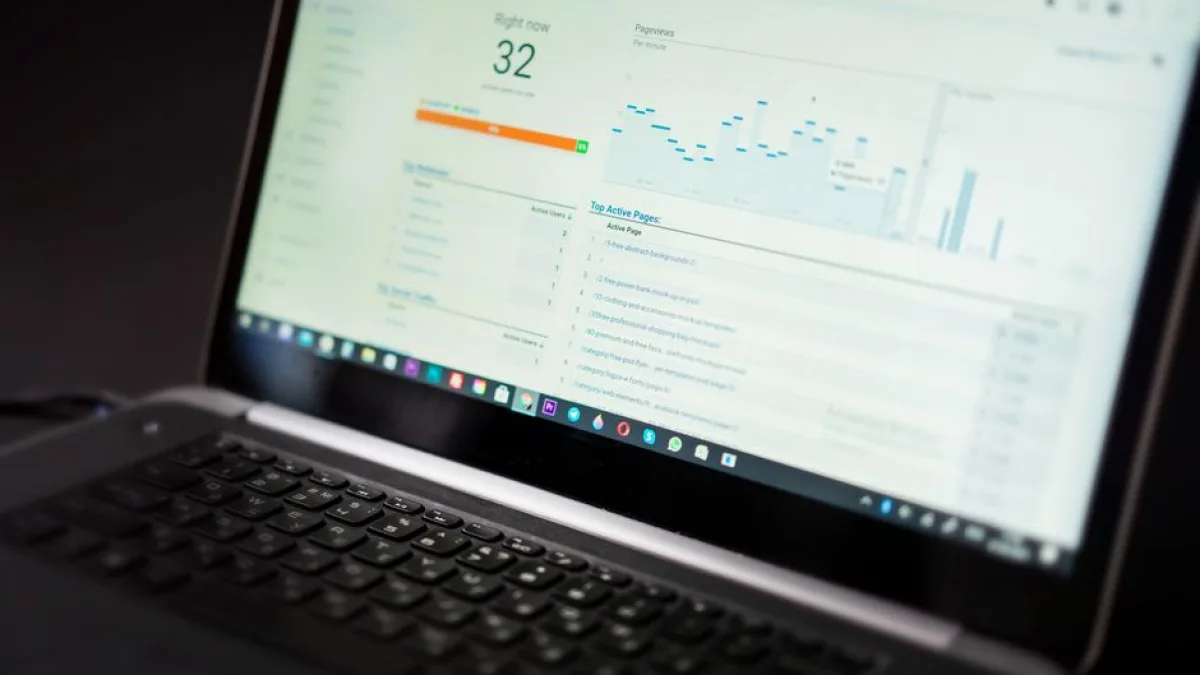
Automated software reduces the burden of manual data entry by pulling shipment details directly into professional invoices. This approach ensures high accuracy and consistency across all outgoing financial documentation for your global shipping clients.
- Reduced human error: Automated systems eliminate manual typing mistakes by pulling data directly from shipment records, ensuring that billing amounts and destination details are consistently accurate every single time.
- Faster payment cycles: Professional invoices generated instantly after delivery trigger faster client approvals, effectively shortening the time between service completion and the final receipt of funds for operations.
- Consistent document formatting: Standardized templates guarantee that every invoice reflects your company brand professionally while providing all the necessary tax and legal details required by international customs authorities.
- Real time syncing: Linking your billing module with accounting software ensures that your financial balance sheets are updated immediately, providing accurate visibility into your daily cash flow.
By shifting to automated invoice generation, your finance team moves away from repetitive tasks that drain energy. This transition allows your staff to focus on high value tasks like financial forecasting and client relationship management. With fewer errors, you also spend less time on dispute resolution and credit notes, which directly contributes to a healthier bottom line and a smoother, more reliable operation.
Managing Carrier Payments

Effective freight forwarding requires seamless coordination when handling payments to various transport carriers. Maintaining visibility over your vendor liabilities is essential for keeping your supply chain partners satisfied while protecting your company from sudden cash flow shortages.
- Prioritizing vendor relationships: Paying your carrier partners on time builds trust and improves your service priority, ensuring that your shipments remain a top concern for transporters globally.
- Streamlining payment approvals: Digital approval workflows allow managers to review and authorize carrier invoices from any location, preventing delays caused by physical document routing or missed emails.
- Currency management tools: Advanced systems handle multi-currency conversions automatically, protecting your margins from fluctuating exchange rates while maintaining clear records for international tax reporting and auditing purposes.
- Tracking vendor credits: Proactive tracking of carrier rebates and credit notes ensures that you never leave money on the table when negotiating future rates or shipping contracts.
Optimizing how you pay carriers transforms your operational reputation in the marketplace. When vendors trust your payment processes, they are more likely to offer flexible terms and prioritize your urgent cargo requirements during peak seasons. Furthermore, keeping precise records of all expenditures provides the data transparency needed to analyze your cost structure and identify potential areas for future shipping savings.
Improving Cash Flow Visibility

Clear insight into your financial metrics allows for proactive decision making rather than reactive crisis management. Real time dashboards provide the clarity needed to monitor profitability across different trade lanes, customers, and individual shipping jobs regularly.
- Live revenue tracking: Real time dashboards provide immediate visibility into total pending payments and outstanding accounts, allowing you to react quickly to any shifts in your daily revenue.
- Custom financial reports: Generating detailed reports helps you understand which trade lanes or service types are most profitable, enabling more strategic planning for your future business development.
- Debt recovery alerts: Automated notifications warn your finance team about overdue invoices before they become problematic, allowing for timely follow up actions to secure your company revenue.
- Performance benchmarking tools: Comparing your financial metrics against historical performance data helps identify trends, allowing you to optimize your pricing strategies for different market conditions or seasonal demands.
Gaining control over your cash flow turns financial data into a roadmap for business expansion. Instead of guessing your position, you operate with certainty, knowing exactly where funds are allocated and where gains are being made. This visibility is vital for scaling your freight forwarding business efficiently, as it empowers you to allocate resources toward the most lucrative routes and services available.
Ensuring Tax Compliance

Navigating the complex landscape of international tax regulations requires precision and constant updates. Automated tools ensure that your business stays compliant across different regions, minimizing risks associated with regional shipping laws and global trade policy changes.
- Automated tax calculations: Digital systems calculate relevant taxes based on shipment origin and destination, ensuring compliance with local laws and eliminating the risk of expensive regulatory penalties globally.
- Audit ready archives: Securely stored digital records provide an easily accessible audit trail for all financial transactions, simplifying the preparation process during annual external company financial audits.
- Regional compliance updates: Software platforms frequently update their logic to accommodate new trade laws, ensuring your business remains compliant without needing constant manual policy reviews by staff.
- Simplified documentation retrieval: Finding specific tax receipts or customs declarations becomes effortless with organized digital filing systems, saving your team significant time during tax filing periods.
Compliance is not just about avoiding fines, it is about building a secure and sustainable business foundation. By delegating complex tax calculations to reliable software, you mitigate risks and instill confidence in your stakeholders. This professional approach protects your reputation in the logistics industry and allows your team to dedicate their time to growth rather than navigating the administrative hazards of cross-border trade.
Conclusion

Achieving excellence in freight forwarding finance requires a blend of reliable software and disciplined internal workflows. By automating invoices, managing vendor relations, and maintaining visibility, your company can build a scalable framework for success. Start auditing your current financial processes today to identify which manual bottlenecks are slowing down your growth. Embracing digital transformation is the most effective path toward sustained profitability and operational efficiency.