Mastering Financial Workflows in Modern Freight Forwarding
Thursday, October 1 2026

Efficient financial management serves as the backbone of every successful freight forwarding operation. As global trade becomes increasingly complex, manual billing processes often lead to costly delays, reconciliation errors, and strained relationships with carriers. Transitioning to automated digital platforms allows forwarders to gain real-time visibility into their cash flow while reducing the administrative burden on accounting staff. By prioritizing accuracy and speed, logistics providers can focus their energy on core operations rather than tracking down missing invoices. This article explores how modern software tools empower finance teams to optimize revenue cycles, enhance profitability, and maintain a competitive edge in today's fast-paced shipping industry.
Automating Invoice Reconciliation

Automating the reconciliation process transforms how your finance team handles high-volume shipping data. By matching purchase orders with carrier invoices automatically, your staff can identify discrepancies instantly, saving dozens of hours each week while maintaining high levels of financial integrity.
- Eliminate manual entry: Reduce human errors significantly by integrating your accounting software directly with your shipment management system to automate data transfer and prevent costly duplicate billing mistakes.
- Faster audit trails: Maintain comprehensive logs for every transaction to ensure compliance and simplify internal audits by providing clear, timestamped evidence of all financial modifications and approvals.
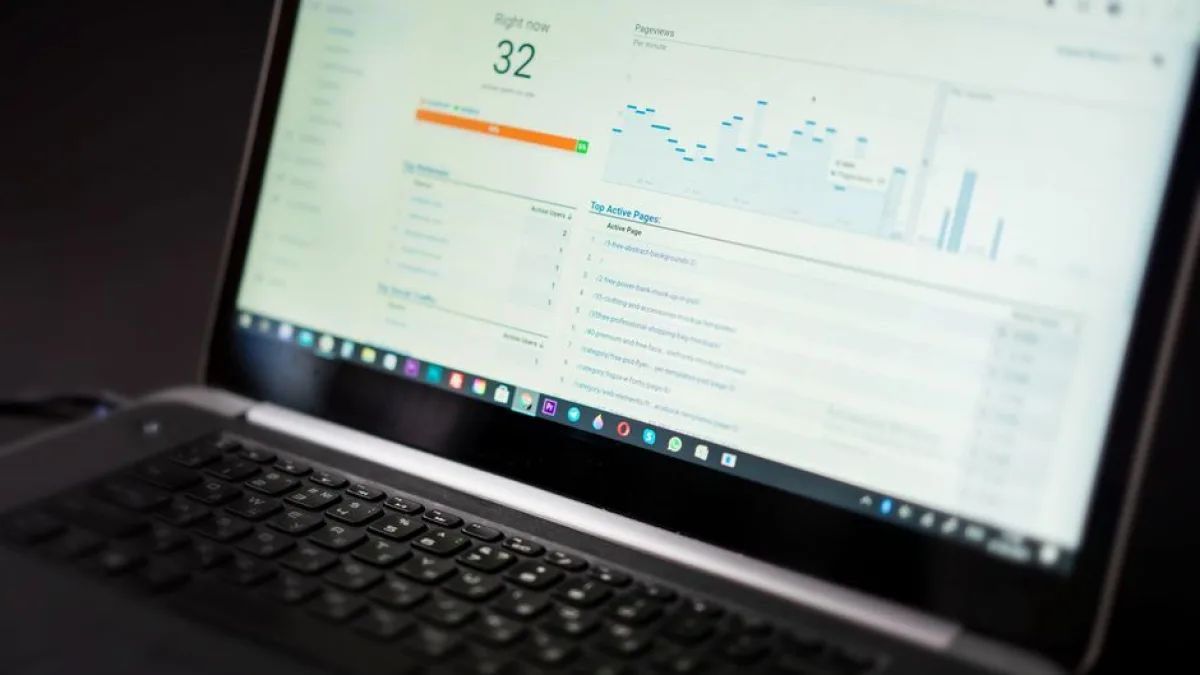
- Real-time visibility: Monitor your outstanding receivables and payables through centralized dashboards that display current status updates, helping managers make informed decisions about cash flow management daily.
- Error reduction strategies: Implement automated validation rules that catch common mistakes, such as currency mismatches or incorrect freight class charges, before they reach the final stage of invoicing.
Adopting automation is no longer a luxury but a necessity for scaling your logistics business. When your team stops chasing paperwork, they gain valuable time to analyze financial trends and improve margins. By investing in integrated technology, forwarders can ensure that every shipment contributes positively to the bottom line while minimizing the risks associated with manual data handling and traditional paper-based accounting methods.
Enhancing Currency Management

Global shipping requires handling multiple currencies, which often leads to volatile profit margins due to fluctuating exchange rates. Forwarders must utilize smart software solutions to standardize rates, mitigate risks, and ensure that cross-border billing remains accurate and predictable.
- Standardized rate tracking: Utilize software tools that update exchange rates automatically, ensuring that your billing department always uses the most accurate conversion data for international shipments and carrier payments.
- Risk mitigation tools: Protect your profit margins by setting automated alerts for significant currency fluctuations, allowing your finance team to adjust pricing strategies or payment terms proactively.
- Multi-currency support: Simplify your accounting by using a platform that supports multiple currencies, enabling seamless billing across different regional offices without manual calculation or conversion errors.
- Transparent client billing: Provide your customers with clear invoices that display both local and foreign currency values, which helps build trust and reduces disputes regarding exchange rate calculations.
Managing currency volatility requires a systematic approach that reduces manual oversight and maximizes profit security. By leveraging automated financial tools, your business can remain agile in the global marketplace. Focus your efforts on maintaining consistent financial data across all regions while your software handles the complexities of currency conversion and risk management, ultimately creating a more stable and profitable international logistics operation.
Optimizing Cash Flow Cycles

Improving cash flow is essential for maintaining the operational health of your forwarding firm. By accelerating the billing cycle and incentivizing prompt payments, you can ensure your company always has the necessary liquidity to cover ongoing logistics expenses.
- Instant invoicing triggers: Configure your system to generate invoices immediately upon proof of delivery, which reduces the time between service completion and payment collection by several business days.
- Payment portal integration: Provide clients with convenient online payment options to facilitate faster settlements, reducing the administrative cycle involved in traditional bank transfers or paper check processing.
- Proactive payment reminders: Automate the delivery of friendly payment reminders to clients approaching their due dates, which helps to maintain consistent communication and reduces overall days sales outstanding.
- Liquidity forecasting tools: Utilize advanced analytics to predict future cash needs based on current shipment volumes and historical payment trends, enabling better management of company resources.
Optimizing your cash flow cycles creates a foundation for long-term growth and stability. By shortening the interval between providing services and receiving payments, you significantly improve your internal financial health. Modern software provides the necessary visibility to monitor these cycles closely. Implement these strategies to ensure that your freight forwarding business retains the capital needed to pursue new opportunities and expand service capabilities.
Strengthening Carrier Partnerships

Financial transparency builds strong, long-term relationships between forwarders and carriers. Clear, accurate, and timely payment processing ensures that your service providers remain happy, which in turn leads to better space allocations and priority service during peak shipping seasons.
- Timely payment processing: Establish a reputation as a reliable payer by automating carrier payouts, which encourages long-term partnerships and often results in better negotiation leverage for future rates.
- Dispute resolution speed: Minimize friction by using centralized systems to resolve billing disputes quickly, ensuring that both parties have access to the same shipment data and documentation.
- Unified reporting features: Generate custom reports that allow carriers to view their payment status easily, which reduces support inquiries and fosters a culture of transparency and mutual trust.
- Performance based incentives: Use financial data to identify your most reliable carriers, allowing you to reward consistent service levels with prompt payments or increased shipment volumes over time.
Healthy partnerships with carriers serve as a significant competitive advantage in the volatile logistics landscape. By simplifying your financial interactions, you ensure that administrative barriers never interfere with your operational goals. Leverage your software to provide the clarity and speed that carriers appreciate, strengthening your supply chain network. A commitment to financial excellence will solidify your standing as a preferred partner globally.
Conclusion
Financial excellence is a primary driver of success in the modern freight forwarding sector. By automating workflows, managing currency risks, and optimizing cash cycles, your business can achieve higher efficiency and profitability. Now is the time to audit your current billing processes and integrate cloud-based tools that support sustainable growth. Reach out to the MakeCargo team to modernize your finance operations today.