Mastering Financial Workflows in Modern Freight Forwarding
Saturday, October 3 2026

Efficient financial management is the backbone of any successful freight forwarding operation today. As global trade becomes increasingly complex, freight forwarders must navigate fluctuating exchange rates, intricate customs billing, and delayed payments from international partners. A manual approach to these financial tasks often leads to significant revenue leakage and operational bottlenecks that hinder growth. By integrating cloud-based software solutions, logistics professionals can gain real-time visibility into their cash flow, reduce human error, and accelerate the billing cycle. This transition to digitized financial workflows is no longer just a luxury but a fundamental necessity for staying competitive in the logistics market.
Optimizing Automated Invoicing Systems

Automating your invoicing process transforms how your agency interacts with clients by minimizing manual data entry errors. When your system generates invoices directly from operational data, it ensures that every charge is captured accurately without any administrative delays for your finance team.
- Speedier billing cycles: Automating invoice creation allows your team to send documentation immediately upon shipment arrival, which significantly reduces the time taken to receive client payments for services rendered.
- Reduced manual errors: By pulling data straight from your transport management system, automated tools eliminate the risks associated with manual typing, ensuring financial records are perfectly aligned with operations.
- Customized billing templates: Modern software allows for flexible template designs that meet specific customer requirements, helping you maintain a professional image while handling diverse international billing demands consistently.
- Integrated tax compliance: Automated systems calculate complex VAT and tariff regulations instantly based on shipment locations, ensuring that your company remains compliant with local laws without needing experts.
Adopting an automated approach allows your accounting staff to shift their focus from tedious data entry to high-value financial analysis. This change improves the overall accuracy of your ledgers and provides a transparent view of profit margins on every single shipment. By reducing the administrative burden, your company can process higher volumes of cargo without increasing headcount or compromising the quality of your services.
Managing Currency Exchange Fluctuations

Managing foreign exchange volatility is a critical challenge for forwarders handling international cargo. Without real-time tracking, currency shifts can erode your hard-earned profits overnight, especially when dealing with long-term shipping contracts involving multiple currencies across several different global regions.
- Real-time rate updates: Integrated software platforms fetch live exchange rates from financial markets, ensuring your quotes remain accurate and protected against sudden dips or spikes in currency valuations daily.
- Multi-currency ledger support: Handling payments in various currencies becomes simpler when your software tracks all international transactions in one place, reducing the complexity of manual currency conversions daily.
- Profit protection tools: Advanced features allow users to set safety margins on quotes that automatically adjust for currency risk, protecting your company bottom line against unexpected market volatility.
- Automated variance tracking: Keep a close watch on how exchange differences impact your actual revenue compared to original estimates, allowing for better strategic decision-making in future global pricing.
Effective management of these financial variables helps to stabilize your cash flow regardless of global market instability. By utilizing software that accounts for these fluctuations automatically, you protect your margins and build trust with clients who value pricing transparency. Forwarders who master currency risks are better positioned to negotiate competitive rates while ensuring that every international transaction remains profitable throughout the entire shipping process.
Strengthening Vendor Payment Processes
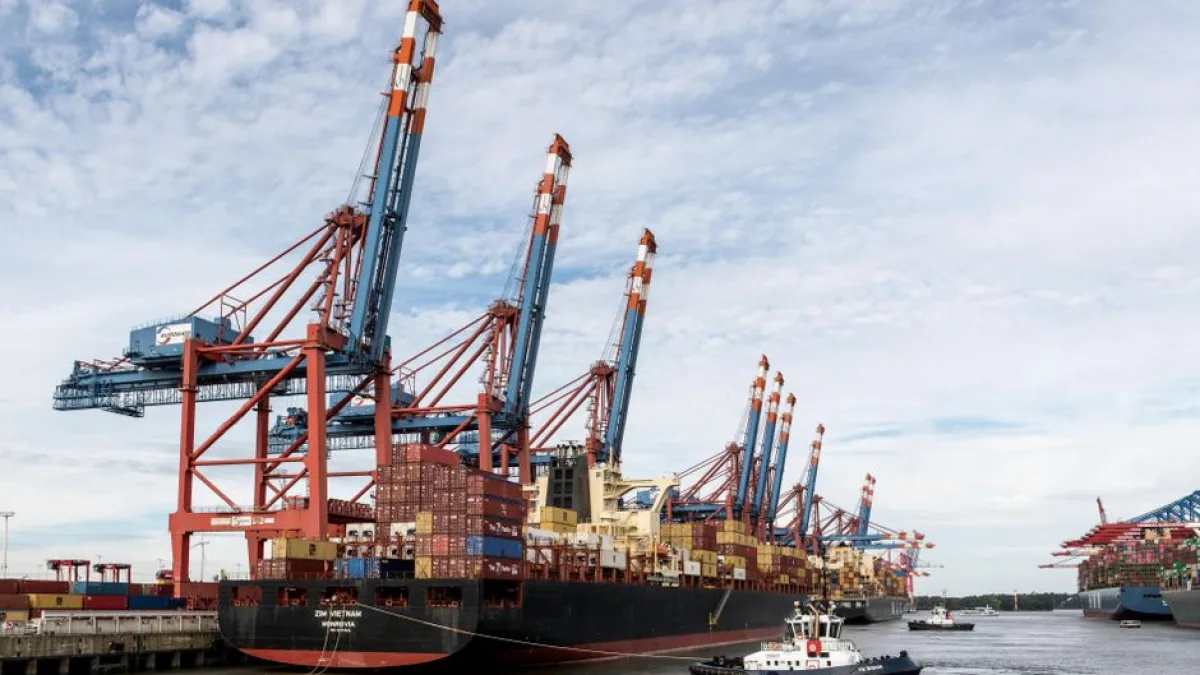
Timely payments to carriers and vendors are vital for maintaining strong relationships that ensure your cargo always gets prioritized. A disorganized payment process can damage these critical partnerships, leading to potential service delays or increased costs during peak shipping seasons for everyone.
- Streamlined approval workflows: Digitizing the verification of carrier invoices ensures that only authorized charges are paid, saving time and preventing overpayment issues that often plague manual bookkeeping processes.
- Vendor portal access: Providing carriers with secure portal access allows them to track payment statuses, reducing the volume of emails and calls your finance team receives daily.
- Optimized cash flow: Strategic scheduling of outgoing payments helps your business maintain healthy cash reserves, giving you the flexibility needed to handle sudden operational expenses or growth opportunities.
- Early payment discounts: Using real-time financial reporting allows your team to identify opportunities for early payment discounts, which provides a significant boost to your overall net profit margins.
Healthy vendor relations provide a competitive advantage in a market where space and equipment are often scarce. By ensuring that your payment systems are reliable and transparent, you become a partner of choice for major shipping lines and trucking firms alike. This operational efficiency not only improves your reputation but also simplifies the reconciliation process, ensuring that your balance sheets are always accurate.
Leveraging Advanced Financial Reporting

Advanced reporting tools turn raw transaction data into actionable business insights that drive growth. By visualizing your company financial health, you can identify which routes or customers contribute the most to your bottom line while cutting underperforming segments effectively.
- Real-time profit tracking: Gain an instant look at the profitability of individual shipments, allowing you to optimize your service offerings based on data rather than relying on intuition.
- Customized KPI dashboards: Track key financial metrics like days sales outstanding and cash flow velocity through intuitive visual interfaces that update automatically with every completed transaction daily.
- Trend analysis reports: Use historical data to forecast future revenue streams and prepare for seasonal shifts in shipping demand, enabling smarter resource allocation throughout the calendar year.
- Regulatory audit readiness: Maintain clean and organized digital records that make the auditing process straightforward, ensuring full compliance and peace of mind during annual financial reviews locally.
Strategic data utilization allows leaders to pivot quickly in response to changing market conditions. By leveraging these powerful reporting features, your business gains the clarity needed to make bold, informed decisions that keep you ahead of competitors. A deep understanding of your financial performance is the key to scaling your operations and ensuring long-term success in the dynamic global freight forwarding landscape.
Conclusion

Transforming your financial processes is the most effective way to secure a profitable future in the freight industry. By embracing cloud-based automation, you minimize errors, manage volatility, and gain the deep insights required for data-driven success. Take the step to modernize your billing workflows today to ensure your company stays agile, resilient, and ready to meet the evolving demands of global trade.