Mastering Financial Workflows in Freight Forwarding
Sunday, October 4 2026

Efficient financial management serves as the backbone of every successful freight forwarding business. As global trade becomes increasingly complex, logistics providers must move beyond manual spreadsheets to survive in a competitive marketplace. Automating your billing processes ensures that cash flow remains consistent while reducing the administrative burden on your accounting staff. By integrating smart cloud-based tools into your daily operations, your team can eliminate costly human errors and focus on providing high-quality service to your clients. This article explores essential financial strategies designed to optimize your revenue cycle and enhance overall profitability for your logistics enterprise today.
Streamlining Invoice Processing

Automating your invoicing workflow reduces manual labor and prevents expensive billing delays. Modern platforms allow for seamless data integration between operational documents and financial records. This synchronization ensures that every shipment is accounted for accurately, leading to faster payment cycles and improved client satisfaction rates across your global operations.
- Rapid Invoice Generation: Automatically generate professional invoices based on pre-defined rate cards and shipment data to reduce human intervention and speed up the delivery of bills to your clients.
- Centralized Billing Data: Keep all financial records in one cloud-based location to provide your accounting team with real-time visibility into outstanding payments and overall company revenue status.
- Automated Payment Reminders: Set up triggered emails that notify customers of upcoming deadlines to ensure consistent cash flow without requiring constant manual outreach from your dedicated finance staff members.
- Error Reduction Strategies: Utilize intelligent software validation to cross-check shipment weights and dimensions against quoted rates to eliminate common billing disputes before they even reach your valued customers.
Optimizing your invoice processing does more than just save time. It transforms your accounting department into a strategic partner that drives company growth. By removing the friction from your billing cycles, your team can prioritize high-value tasks that improve long-term profitability. Transitioning to automated systems ensures that your business remains agile while scaling operations to meet the growing demands of the modern international logistics industry.
Managing Currency Fluctuations

Handling payments across multiple currencies requires a robust financial strategy to protect your profit margins. Global logistics businesses often face the risk of unpredictable exchange rate shifts during long transit times. Effective tools allow you to lock in rates and manage exposure throughout the shipment lifecycle.
- Real-time Exchange Updates: Integrate live currency exchange data feeds into your billing platform to ensure that every international invoice reflects the most current market rates for accuracy.
- Multi-currency Support Tools: Enable your accounting system to manage various global currencies simultaneously so you can issue transparent invoices that align with your international clients localized financial preferences.
- Hedging Strategy Implementation: Use advanced analytics to identify potential financial risks related to currency volatility and take proactive steps to secure your margins before payments are processed fully.
- Transparent Rate Visibility: Communicate exchange rate policies clearly on all documentation to build trust with international partners and prevent confusion during the final settlement of complex freight accounts.
Proactive currency management is essential for maintaining healthy profit margins in international shipping. When your system automatically handles the complexities of global finance, you protect your revenue from unexpected market volatility. This stability allows you to offer more competitive pricing to your clients while ensuring that your company remains financially robust regardless of the fluctuations occurring in the global currency exchange markets.
Optimizing Accounts Receivable

Managing your accounts receivable is critical for maintaining healthy operational liquidity. Delays in receiving payments can hinder your ability to book new shipments or pay your own vendors. Implementing strict follow-up protocols ensures that your company maintains a steady cash flow every single month.
- Customized Aging Reports: Generate detailed reports that categorize outstanding debts by age to identify at-risk accounts quickly and focus your collection efforts on the most critical files.
- Automated Credit Checks: Perform instantaneous financial screenings for new clients to assess their creditworthiness before agreeing to terms, which minimizes the risk of bad debt for your company.
- Flexible Payment Portals: Provide customers with secure online portals where they can settle their invoices instantly using various digital methods, significantly reducing the time spent waiting for checks.
- Clear Credit Policies: Establish and communicate standard credit terms to every partner to ensure that expectations are aligned from the very beginning of the professional business relationship established today.
Maintaining tight control over accounts receivable requires a balance of firm policies and user-friendly payment technology. When you simplify how clients pay you, they are much more likely to settle invoices on time. A disciplined approach to collections prevents cash shortages and keeps your operations running smoothly. Consistently monitoring your financial health is the most reliable way to sustain long-term business success.
Integrating Financial Reporting Tools
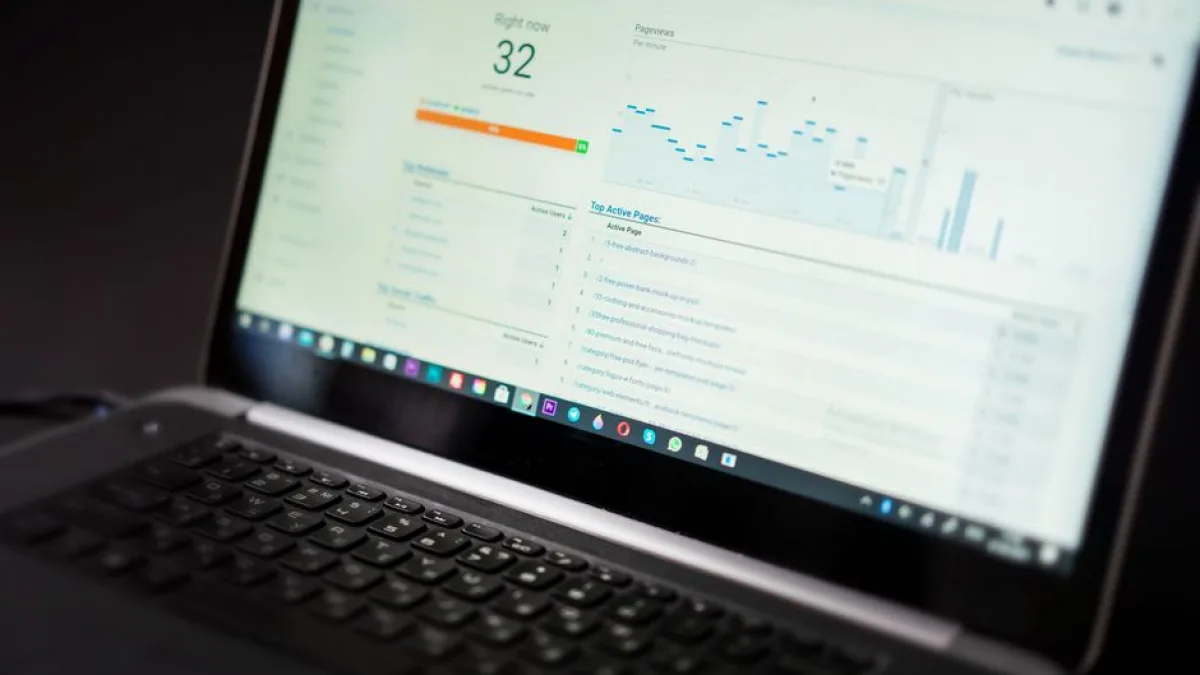
Data-driven decisions require accurate reporting capabilities that provide deep insights into your financial health. By leveraging advanced analytics, you can track key performance indicators that reveal trends in your freight operations. This visibility is vital for long-term planning and identifying areas where your business can improve efficiency.
- Custom Dashboard Analytics: Create personalized visual reports that track your specific financial goals and provide an immediate overview of your company performance in one convenient digital space.
- Profitability per Shipment: Analyze the costs associated with every individual route or carrier to identify the most lucrative service offerings and optimize your future business planning efforts effectively.
- Vendor Performance Tracking: Monitor payments made to shipping lines and agents to ensure you are meeting negotiated terms and maximizing the value of your strategic logistics partnerships.
- Audit Ready Records: Maintain a digital audit trail for every financial transaction to ensure total compliance with international accounting standards during future reviews or yearly tax audits.
Integrating powerful reporting tools provides the clarity needed to navigate a competitive logistics landscape. When leadership has access to precise financial data, they can make informed decisions that reduce waste and boost revenue. These insights foster a culture of transparency and accountability within your organization, ultimately ensuring that your financial strategies are always aligned with your broader company vision and growth objectives.
Conclusion

Mastering the financial aspects of freight forwarding is the definitive key to scaling your logistics business successfully. By automating your billing, monitoring currency trends, and leveraging data analytics, you create a sustainable foundation for future expansion. Implement these strategies within your own operations to ensure that your finances remain as efficient as your shipping routes, leading to greater profitability and long-term industry success.