Mastering Financial Workflows in Freight Forwarding
Wednesday, August 19 2026
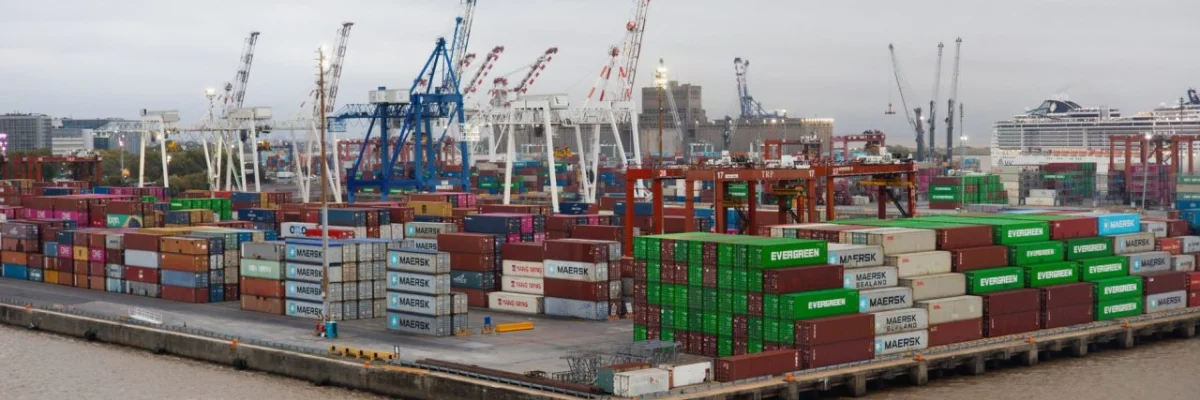
Efficient financial management serves as the backbone of every successful freight forwarding operation today. As global supply chains grow more complex, the ability to manage billing, vendor payments, and cash flow with precision determines your competitive edge in the market. Many firms still struggle with fragmented systems that lead to reconciliation errors and delayed revenue cycles. By adopting cloud-based technology, forwarders can automate tedious manual processes, improve fiscal transparency, and ensure that every shipment contributes positively to the bottom line. This guide explores strategies for modernizing your financial framework to drive sustainable growth and operational excellence in logistics.
Optimizing Billing Processes

Streamlined billing cycles are essential for maintaining steady cash flow within a busy logistics office. By digitizing invoice generation, forwarders minimize human error and accelerate the time it takes to receive payments from global clients after cargo delivery.
- Automated Invoice Creation: Generate accurate freight invoices instantly by syncing data directly from shipment files to reduce the manual workload typically associated with repetitive billing tasks for logistics coordinators.
- Standardized Charge Codes: Implement a universal set of charge codes across your entire organization to ensure consistent billing terminology and simplify the complex process of client fee reporting.
- Digital Approval Workflows: Utilize electronic workflows to route invoices for internal approval before sending them to clients, which significantly speeds up the review process and prevents billing disputes.
- Multi-currency Support Tools: Leverage software that handles diverse currency exchanges automatically to eliminate the tedious calculations that often cause discrepancies when managing international shipments for your diverse client base.
By shifting to automated billing solutions, your team moves away from error-prone spreadsheets toward reliable financial tracking. This transition not only enhances accuracy but also empowers your staff to focus on higher value tasks like customer relationship management. When every invoice is accurate from the start, your team spends less time fixing mistakes and more time growing your freight business across international markets.
Managing Vendor Payments

Effective management of vendor payments ensures strong relationships with steamship lines, truckers, and warehouse operators. Timely payments help avoid service interruptions and often qualify your business for early settlement discounts offered by various global logistics providers.
- Vendor Payment Scheduling: Schedule outgoing payments based on specific contract terms to optimize your cash flow management while ensuring that your essential service providers are always paid promptly.
- Integrated Ledger Systems: Connect your accounts payable directly to your operational software to achieve real-time visibility into your liabilities without needing to reconcile multiple disparate financial reporting systems daily.
- Audit Trail Visibility: Maintain a complete digital record of every transaction to ensure total compliance and provide a clear history for financial audits whenever they are required.
- Automated Payment Reminders: Set internal notifications for upcoming due dates to ensure your finance team never misses a deadline, effectively protecting your company from incurring unnecessary late interest charges.
Building trust with logistics partners begins with a transparent and efficient payment cycle. When you provide carriers with timely compensation and clear documentation, you become a preferred partner in the shipping network. This stability allows you to negotiate better rates and improves your overall operational reliability, ensuring your clients receive the quality service they expect despite the many challenges of international trade.
Improving Cash Flow Visibility

Gaining clear insight into your cash flow is critical for making informed business decisions in the freight industry. Real-time data allows forwarders to identify bottlenecks quickly and allocate resources toward the most profitable trade lanes and services.
- Real-time Profit Analysis: Monitor the profitability of every single shipment as it progresses through your network to identify which clients or routes generate the best financial returns.
- Cash Flow Forecasting: Use historical data trends to predict future cash needs, allowing your management team to plan expansion efforts or cover operational costs with absolute confidence.
- Custom Financial Reporting: Create automated dashboards that highlight key performance indicators, providing your leadership team with actionable insights at a glance instead of static monthly documents.
- Expense Tracking Modules: Record all operational expenses directly against specific shipments to ensure accurate profit and loss statements that reflect the true costs of doing business today.
Total visibility into your finances transforms how you run your freight forwarding firm. Instead of waiting for month-end reports, you gain access to live financial data that guides daily decision-making processes. This proactive approach helps you spot potential issues early, allowing for swift corrective action that keeps your business healthy and profitable regardless of the broader shifts in the global economy.
Ensuring Financial Compliance

Financial compliance involves maintaining rigorous standards for data protection and regulatory reporting requirements. As the logistics industry faces increasing scrutiny, implementing robust security protocols helps protect sensitive billing information and keeps your operations aligned with international standards.
- Secure Data Encryption: Protect your sensitive client financial information with industry-leading encryption methods that prevent unauthorized access while ensuring data privacy during electronic file transfers across borders.
- Regulatory Reporting Tools: Simplify the process of meeting local and international tax obligations by using automated tools that compile necessary financial data for government agency requirements.
- Role-based Access Controls: Restrict access to sensitive financial modules based on employee roles to ensure that only authorized personnel can view or edit critical billing data records.
- Regular System Audits: Conduct frequent digital audits of your financial software to ensure that all internal controls are functioning correctly and that your data remains perfectly accurate.
Maintaining a culture of compliance protects your firm from costly penalties and reputation damage. By prioritizing secure and transparent financial practices, you create a solid foundation for long-term growth and client trust. Investing in the right systems now ensures that as your freight forwarding business scales, your financial operations remain protected, efficient, and fully aligned with global regulatory standards for years ahead.
Conclusion

Refining your financial processes is a strategic move that enhances efficiency and profitability. By automating billing, managing payments wisely, and prioritizing clear visibility, freight forwarders position themselves for long-term success. Adopting modern software tools removes the burden of manual tasks, allowing your team to focus on serving clients. Start optimizing your financial workflows today to secure your competitive advantage in the logistics industry.