Mastering Financial Workflows in Freight Forwarding
Tuesday, August 25 2026

Efficient financial management serves as the backbone of every successful freight forwarding operation today. As global supply chains grow increasingly complex, the demand for precise billing, rapid invoicing, and real-time cash flow visibility has never been higher. Relying on fragmented spreadsheets or manual data entry introduces risks that can cripple your margins and damage client relationships. By integrating sophisticated cloud-based tools into your accounting stack, you can eliminate human error and ensure that every shipment lifecycle is tracked against its projected profitability. This shift toward digital financial oversight is the ultimate competitive advantage for modern logistics companies.
Optimizing Invoice Automation Processes

Automating your invoicing workflow removes the burden of repetitive tasks while ensuring that your billing cycles stay consistent and accurate. By moving away from manual entry, your finance team gains the freedom to focus on strategic growth rather than correcting minor arithmetic errors.
- Reduced Billing Delays: Automated systems trigger invoices immediately upon cargo delivery status updates which significantly reduces the time your team spends chasing payments from overdue international logistics clients.
- Improved Accuracy Levels: Digital platforms automatically pull shipment data directly from your operational system to prevent data transcription errors that often lead to expensive credit notes and disputes.
- Faster Payment Cycles: Sending professional digital invoices directly to client portals increases visibility and encourages quicker approvals while reducing the traditional friction of email communication chains.
- Standardized Document Formats: Creating consistent invoice layouts ensures that all your global partners receive information in a professional manner that complies with international accounting standards and regulations.
By streamlining how you generate and send invoices, your agency drastically reduces the administrative overhead associated with daily finance operations. You gain total control over the billing lifecycle, allowing you to identify bottlenecks before they impact your liquidity. This systematic approach ensures that cash flow remains steady, providing the stability required to scale your business operations and meet expanding market demands effectively.
Managing Currency Conversion Risks
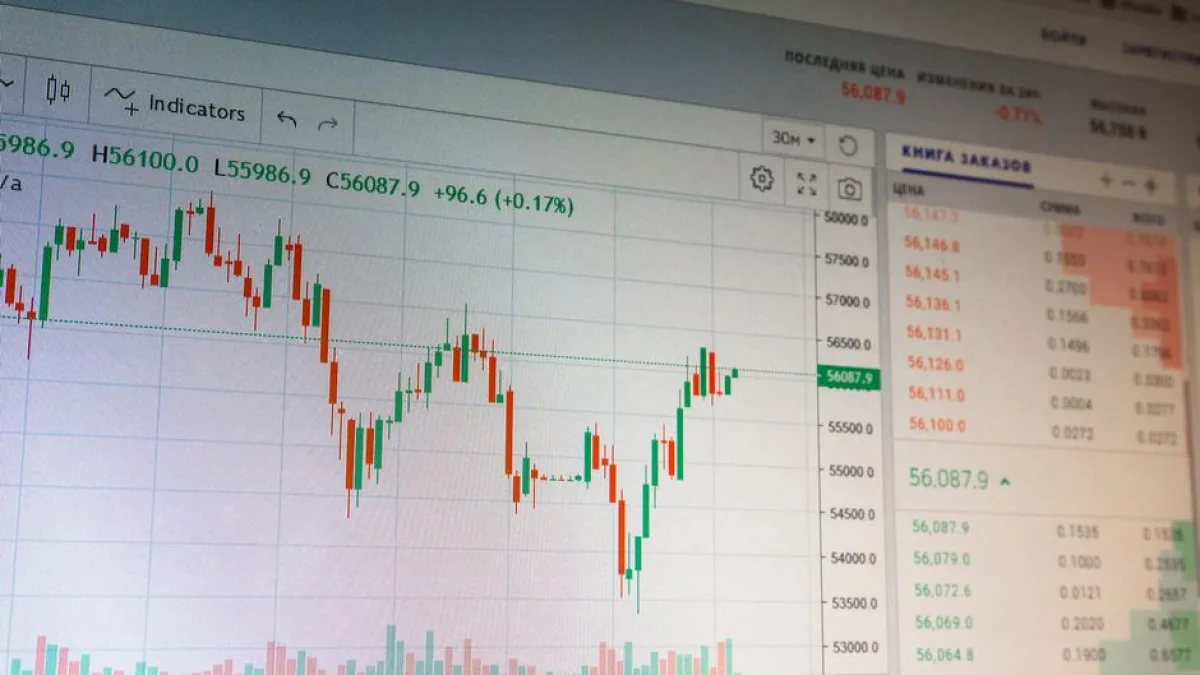
Fluctuating exchange rates can erode profit margins faster than any other single factor in international shipping. Maintaining a robust strategy for currency management is essential for forwarders who handle multi-currency accounts across various global trade lanes and regional markets.
- Real Time Tracking: Modern software provides live updates on exchange rates to ensure that your quotes and final invoices reflect the most current market data available today.
- Integrated Hedging Tools: Advanced financial modules allow your team to set specific buffer zones to protect margins against sudden volatility in the foreign exchange market during shipments.
- Automated Currency Conversion: Calculating complex multi-currency costs becomes a simple task when your platform handles the conversions automatically based on standardized daily market rate settings.
- Transparent Reporting Metrics: Clear financial reports enable management to see exactly how exchange rate fluctuations impact bottom line results for specific trade routes and individual clients.
Taking control of your currency exposure protects your bottom line against unpredictable market movements that occur during long-haul transit times. By integrating automated conversion tools into your daily workflow, you transform a volatile liability into a manageable financial process. Consistently monitoring these fluctuations helps you maintain stable pricing structures, ensuring that your long-term contracts remain profitable despite external economic shifts globally.
Enhancing Accounts Receivable Efficiency

Managing receivables effectively ensures that your business maintains a healthy cash flow throughout the fiscal year. Without clear oversight of pending payments, freight forwarders often struggle with liquidity issues that hinder the ability to book new cargo capacity.
- Automated Payment Reminders: Sending gentle automated notifications to clients before their due dates helps prioritize your account while maintaining a professional and supportive client relationship throughout.
- Centralized Payment Status: A unified dashboard gives your finance team instant visibility into which shipments are paid, pending, or overdue at any given point in time.
- Seamless Gateway Integration: Providing clients with secure digital payment methods directly through your invoice portal simplifies the process and drastically reduces the average collection period.
- Detailed Aging Reports: Identifying high risk accounts early through comprehensive aging reports allows your credit team to take proactive steps to secure your company capital.
Efficient receivables management transforms how your company handles liquidity and debt collection. By providing clients with modern payment options and keeping internal teams informed with live data, you eliminate the common delays that plague traditional forwarding offices. This proactive stance toward credit control keeps your cash flow robust, enabling you to reinvest in technology or infrastructure whenever strategic opportunities eventually arise.
Leveraging Advanced Profitability Analytics

Data driven insights provide the clarity needed to make high level financial decisions that drive sustainable growth. By analyzing individual shipment costs, you can pinpoint exactly where your margins are highest and where operational improvements are currently needed.
- Granular Profit Tracking: Monitoring profitability at the individual shipment level allows you to identify which specific lanes or cargo types are contributing most to your overall revenue.
- Cost Variance Analysis: Detecting discrepancies between projected costs and actual expenditures helps you refine your pricing strategy and improve your future margin forecasts significantly today.
- Vendor Performance Metrics: Evaluating your carrier and agent costs ensures that you are consistently working with partners who offer the best value for your budget.
- Visual Data Reporting: Using intuitive charts and dashboards makes complex financial performance data easy to understand for stakeholders who need to make rapid informed decisions.
Deep analytics turn raw billing data into actionable business intelligence that shapes your long-term success. By understanding the true cost of every movement, you gain the power to negotiate better rates and optimize your entire service offering. This level of insight ensures that your freight forwarding business does not just survive but continues to grow profitably in a crowded global marketplace.
Conclusion

Mastering the financial side of freight forwarding requires the right combination of digital tools and consistent internal processes. By automating your invoicing, managing currency risks, optimizing collections, and using deep analytics, you set your company up for long-term growth. Start transforming your finance department today to ensure your logistics business remains competitive and profitable in an increasingly digital and fast-paced global landscape.