Mastering Freight Forwarding Finance for Sustainable Growth
Friday, August 28 2026

Financial management remains the backbone of any successful freight forwarding operation, yet many firms still struggle with outdated billing processes that hinder scalability. In an industry defined by complex global logistics, thin margins, and fluctuating currency rates, maintaining cash flow is critical for survival. By transitioning to automated cloud-based platforms, forwarders can eliminate manual errors and drastically reduce invoice processing times. This shift not only improves vendor relations but also provides the real-time financial transparency necessary to make data-driven decisions that propel your business forward in a competitive market environment where speed and precision define your success.
Optimizing Invoice Accuracy

Precise documentation is the foundation of accurate billing, ensuring that every shipment cost is captured correctly and invoiced to the right customer without delay. Automated systems simplify this by integrating directly with your operational data for error-free financial outcomes.
- Real-time data integration: Automated software pulls shipment details directly from logistics records to generate invoices instantly without the risk of manual data entry errors or missed cost line items.
- Standardized billing templates: Using consistent digital templates ensures that every invoice issued meets international regulatory standards while clearly communicating costs to your clients to speed up payment approvals.
- Automated audit trails: Systems keep a permanent record of every modification to an invoice to ensure full transparency during financial audits and prevent unauthorized changes or hidden fees.
- Cost verification cycles: Automated workflows cross-reference carrier invoices against initial quotations to identify discrepancies immediately, preventing overpayments and protecting your profit margins from unexpected surcharges or billing mistakes.
- Centralized document storage: Keeping all proofs of delivery and customs paperwork linked to the invoice file simplifies verification for customers, reducing the time they spend questioning charges on statements.
By prioritizing invoice accuracy, you significantly reduce the amount of time spent on disputes and collections. Clients appreciate clarity and consistency, which translates into faster payment cycles and improved relationships. Embracing digital precision transforms your accounts receivable department from a reactive cost center into a proactive engine of liquidity, allowing your team to focus on strategic growth rather than correcting basic documentation errors daily.
Managing Carrier Payments
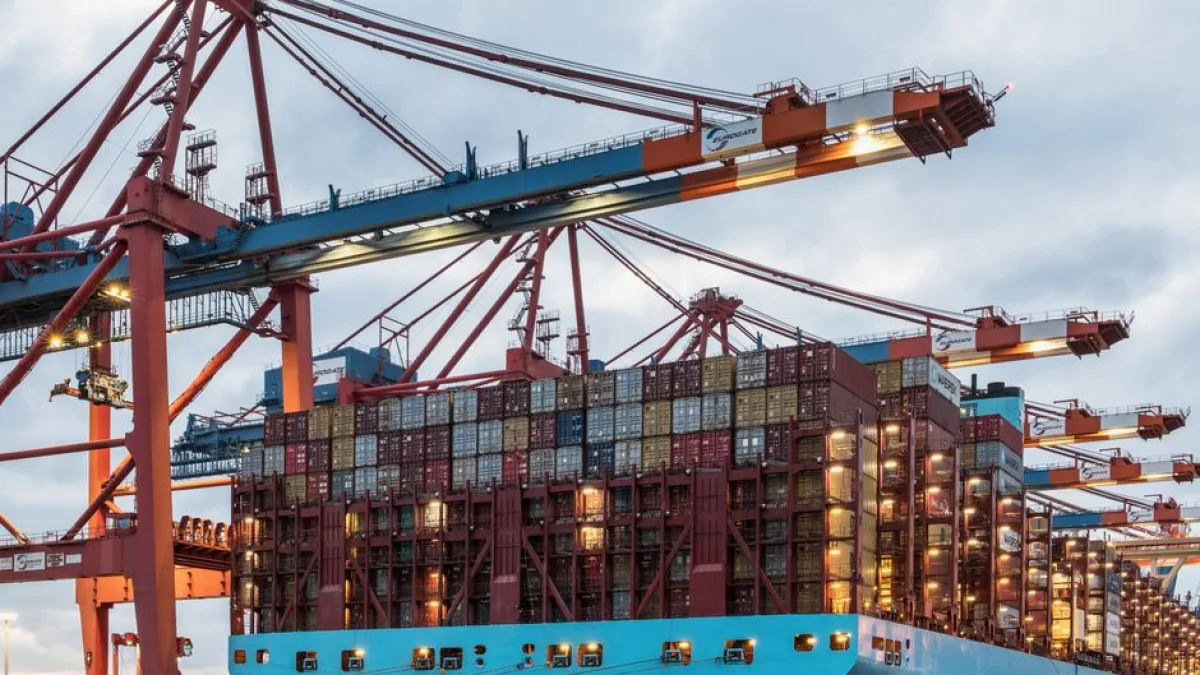
Timely payments to carriers are essential for maintaining strong partnerships and securing preferential rates during peak season. A streamlined financial workflow ensures that you never miss a deadline while keeping your cash flow balanced across multiple global supply chains.
- Scheduled payment automation: Set up recurring or triggered payments to ensure carriers are paid exactly on their due dates, preventing late fees and preserving your reputation with shipping partners.
- Currency management tools: Modern platforms handle multi-currency conversions automatically, protecting your margins from volatility while simplifying the settlement process for international carriers operating across different geographic market regions.
- Tiered approval workflows: Implement digital hierarchies where payments above a certain threshold require senior manager authorization, adding a layer of security and oversight to your outgoing cash flow processes.
- Early payment incentives: Leverage automated notifications to identify opportunities for early payment discounts, allowing your firm to save on freight costs by capitalizing on vendor cash flow incentives.
- Vendor portal access: Give your carriers a secure portal to view payment status, which reduces incoming emails and phone calls regarding invoice tracking and improves overall communication efficiency.
Efficient carrier payments do more than just avoid late fees. They position your company as a preferred partner, granting you leverage when negotiating future contract rates or space allocations. By automating these processes, you free up your accounting staff to focus on high-level financial planning. Maintaining these strong vendor relationships is a key competitive advantage in the volatile world of international freight logistics.
Tracking Real-time Profitability

Understanding the exact profit margin on every shipment is vital for making informed decisions. By tracking costs and revenues in real-time, forwarders can identify which trade lanes or service types are performing best and which ones require immediate optimization.
- Lane-based profit analysis: Examine the profitability of specific trade routes by comparing total operational costs against revenue to identify high-performing lanes that deserve increased marketing and sales efforts.
- Service level reporting: Break down margins by service type, such as air, sea, or ground, to understand how your overhead costs impact the bottom line for different shipping modes.
- Customer profitability metrics: Calculate the true net profit per client account by factoring in the administrative labor costs associated with managing their complex unique shipping requirements and billing disputes.
- Visual data dashboards: Utilize interactive graphical displays to visualize financial performance at a glance, enabling management to identify downward trends before they negatively impact your quarterly net results.
- Dynamic cost allocation: Assign variable logistics costs accurately to specific shipments to ensure that every single job remains profitable and contributes positively to your firm overall bottom line.
Access to real-time profitability data is no longer a luxury but a necessity for modern freight forwarders. It allows you to pivot your strategy quickly in response to shifting market conditions. Instead of waiting for month-end reports, you can make daily tactical adjustments that preserve your margins. This visibility is essential for scaling your business effectively while maintaining strict financial health standards.
Automating Cash Flow Forecasting

Predicting future cash flow is essential for ensuring your company has the liquidity to handle sudden operational expenses or unexpected growth opportunities. Automated tools provide accurate projections by analyzing your current outstanding receivables and upcoming payables for better planning.
- Receivables aging reports: Automatically generate reports that highlight overdue payments, allowing your finance team to initiate collection efforts earlier and recover capital that is currently tied up in debt.
- Payables demand scheduling: Forecast your total upcoming payment requirements for the next ninety days to ensure sufficient cash reserves are always available to cover all primary operational obligations.
- Scenario modeling tools: Test how different market conditions or volume changes might impact your cash position, helping you plan for potential downturns or aggressive expansion phases with confidence.
- Cash flow alerts: Set thresholds that notify management if liquidity levels drop below a certain point, enabling proactive borrowing or debt management before a financial crisis occurs for you.
- Integrated financial reporting: Connect your bank feeds directly to your software to see real-time balance data, ensuring that your forecasts are always based on the most current information.
Strategic cash flow management creates a safety net that protects your firm from industry instability. By utilizing automated forecasting, you transition from constant firefighting to long-term financial stability. This level of planning is what differentiates industry leaders from those who merely react to daily market pressures. With clear visibility into your financial future, you can confidently invest in new technologies, talent, or regional expansions.
Conclusion

Financial mastery is the most effective way to distinguish your freight forwarding business in a crowded market. By digitizing your billing, automating carrier payments, tracking margins, and forecasting cash flow, you build a resilient foundation for sustainable growth. Start integrating these advanced tools into your operations today to increase efficiency, eliminate manual errors, and reclaim the valuable time needed to focus on providing world-class logistics services.