Mastering Freight Forwarding Financial Operations for Profitability
Monday, August 3 2026
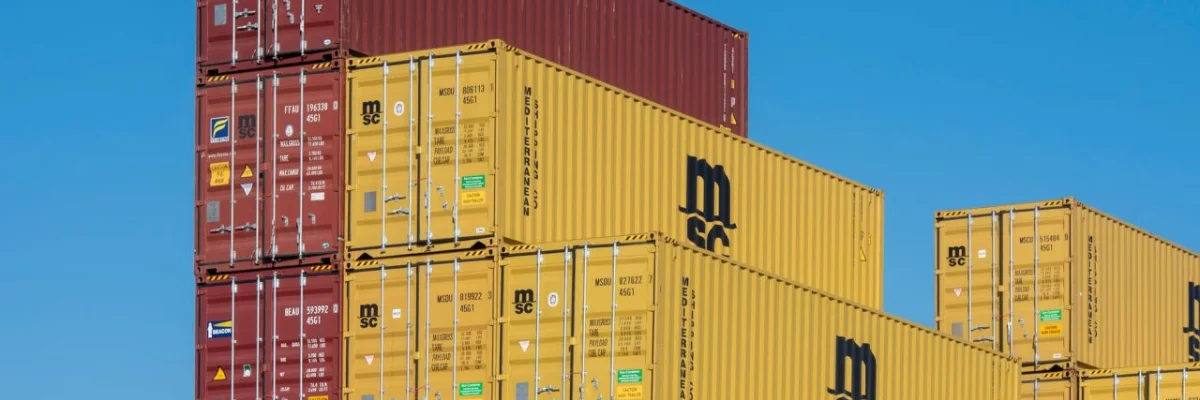
Efficient financial management serves as the backbone of every successful freight forwarding business. As global trade becomes increasingly complex, the ability to maintain accurate billing, manage cash flow, and ensure transparent invoicing is no longer optional but a strategic requirement. Many forwarders struggle with manual processes that lead to errors, delays, and lost revenue opportunities. By transitioning to cloud-based automation, companies can gain real-time visibility into their financial health. This guide explores how professional forwarders can refine their billing cycles and financial reporting to achieve sustainable growth and improved client satisfaction in a competitive logistics environment.
Automating Billing and Invoicing

Manual invoicing often leads to significant revenue leakage due to human error and delayed processing times. Automated billing cycles ensure that every shipment cost is captured accurately, reducing the need for costly manual adjustments or customer credit note disputes later.
- Real time validation: Automated systems check every charge against agreed contracts to ensure that final invoices match customer expectations and service level agreements without requiring extensive manual administrative review.
- Reduced processing errors: By eliminating manual data entry tasks, forwarding teams can minimize mistakes that typically occur during high volume shipping periods or complex multi-leg logistics operations every week.
- Integrated cost capture: Centralized platforms automatically aggregate all carrier costs and ancillary fees immediately upon shipment arrival, ensuring that no expense is missed during the client billing cycle process.
- Faster payment cycles: Digital invoicing triggers faster delivery and easier approval processes, which directly shortens the time from service completion to cash receipt in your bank account today.
Adopting automated billing processes transforms your administrative team from manual data processors into strategic financial analysts. By removing the repetitive tasks associated with traditional invoicing, you free up valuable human resources to focus on revenue growth and client management. This shift not only improves internal productivity but also enhances the overall customer experience by providing professional, accurate, and timely financial documentation every time.
Managing Carrier and Supplier Costs

Controlling costs requires precise monitoring of carrier invoices compared against actual cargo performance. If your financial team cannot quickly identify discrepancies between quoted rates and final carrier bills, your profit margins will shrink as unnecessary overhead expenses go unchecked.
- Automated rate auditing: Advanced software tools instantly compare incoming carrier invoices against initial shipment quotes to highlight discrepancies that require immediate investigation before payment is issued to the carrier.
- Standardized cost tracking: Implementing a uniform method for categorizing all vendor expenses allows managers to identify hidden costs that often fluctuate across different lanes or shipping service providers.
- Carrier performance review: Regular analysis of payment history and dispute frequencies helps your team identify which carriers provide the most reliable financial stability for your company operations daily.
- Currency fluctuation monitoring: Systems that track exchange rate variations ensure that your final pricing remains competitive while protecting your firm from significant losses during volatile international trade periods.
Proactive carrier cost management is essential for maintaining healthy profit margins in an industry known for thin returns. When you gain full visibility into every dollar spent on vendors, you make better decisions regarding which partners to trust for future bookings. This level of financial rigor ensures that your business remains resilient against market fluctuations and carrier pricing volatility throughout the fiscal year.
Enhancing Cash Flow Transparency

Cash flow remains the primary indicator of operational health for freight forwarders. Maintaining clear visibility into incoming payments and outstanding vendor balances allows leaders to make informed decisions about investment, hiring, and expansion without risking the stability of the company budget.
- Predictive cash forecasting: Utilize historical payment trends and current shipment volumes to project future cash positions accurately so that you can navigate seasonal slow periods with confidence.
- Clear credit controls: Established digital workflows for customer credit limits ensure that you do not extend too much risk to single clients during unstable economic shipping climates.
- Automated payment reminders: Proactive notification systems gently remind clients of pending payments, which significantly reduces the average number of days your invoices remain outstanding in the system.
- Vendor payment scheduling: Strategic management of outgoing payments helps you leverage early payment discounts while keeping your working capital available for other critical business investments during growth.
Achieving total transparency in your cash flow requires the right technological foundation. When you see your financial position in real time, you move away from reactive crisis management toward proactive financial planning. This visibility allows for bolder decision making and provides the peace of mind necessary to pursue new market opportunities or scale your operations when the right business conditions finally align.
Leveraging Financial Analytics Tools

The final step in mastering your finances is utilizing data analytics to drive long-term strategy. Forwarders who analyze their historical billing data uncover valuable trends that reveal which lanes, customers, or services provide the highest returns on investment for their logistics company.
- Customer profitability analysis: Identifying which clients provide the highest margins helps your sales team focus their efforts on building relationships with partners that contribute most to company revenue.
- Lane performance insights: Deep data dives reveal which shipping routes are consistently profitable, allowing you to reallocate resources away from underperforming segments to maximize your bottom line.
- Key performance indicators: Tracking specific metrics like cost per shipment or billing turnaround time keeps your team focused on continuous improvement goals that enhance overall corporate performance.
- Strategic report generation: Exportable financial reports provide stakeholders with the information they need to understand current operational trends and support future business growth strategies with confidence.
Data is the most powerful asset a modern freight forwarder possesses. By leveraging sophisticated financial analytics, you turn raw transaction data into a roadmap for future success. This transition from spreadsheets to intelligent software empowers your leadership team to focus on high-impact initiatives. You will find that informed decisions lead to consistent growth, reduced operational risks, and a stronger competitive market position.
Conclusion

Optimizing your finance and billing operations is vital for scaling a freight forwarding business in today's digital age. By embracing automation, improving cost oversight, and leveraging deep financial insights, you position your company for long-term profitability. Start modernizing your financial workflows today to ensure your team remains efficient, accurate, and ready to meet the evolving demands of the global logistics market with confidence.