Mastering Freight Operations with Digital Automation
Tuesday, October 6 2026

Modern freight forwarding requires a delicate balance of speed, accuracy, and regulatory compliance in an increasingly volatile global market. As supply chains grow more complex, manual processes and fragmented communication channels often lead to costly delays and operational bottlenecks. Professionals must pivot toward cloud-based solutions to integrate their workflows and gain real-time visibility into every shipment. By adopting digital tools, forwarders can transform their traditional operations into streamlined, data-driven powerhouses that deliver consistent value to clients. This evolution is no longer just a competitive advantage, but a fundamental necessity for surviving and thriving in the modern logistics landscape.
Optimizing Shipment Tracking Visibility
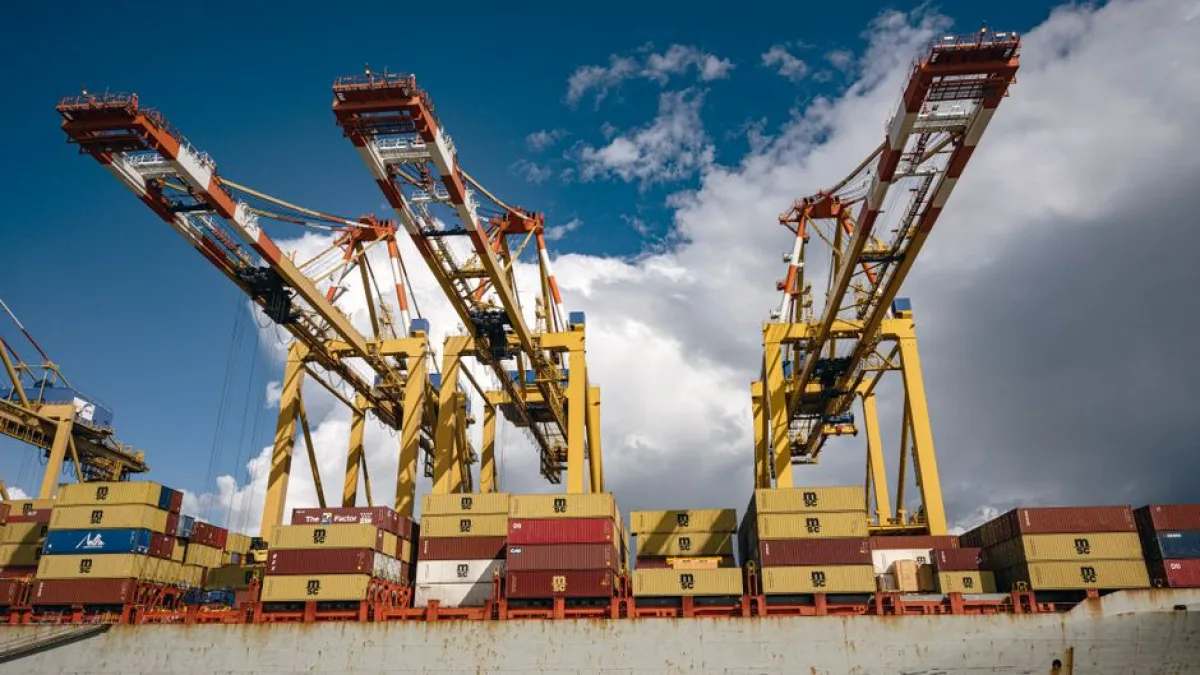
Real-time shipment tracking allows your team to monitor cargo status across various transit points with precision. Visualizing these logistics paths helps identify potential delays before they escalate into major customer service issues, ensuring your operations remain proactive rather than reactive at all times.
- Automated status updates: Push notifications keep your clients informed without manual data entry, reducing the time your staff spends on repetitive email chains and status inquiry phone calls every day.
- Centralized data access: Having all shipment documentation in one cloud location prevents information silos and ensures that every stakeholder can access critical details whenever they need them urgently.
- Predictive delay warnings: Advanced analytics detect patterns in route performance, helping your team reroute shipments or manage customer expectations when disruptions occur in the global supply chain network.
- Integrated carrier portals: Connect directly with ocean and air carriers to pull live tracking data, eliminating the need for fragmented manual tracking on individual carrier websites each day.
Achieving total visibility transforms your business model from a service provider into a strategic partner for your shippers. When you can pinpoint the exact location of a container at any hour, you build immense trust with your clientele. This transparency reduces operational anxiety and allows your team to focus on high-level decision making rather than chasing down elusive answers for worried global customers.
Automating Documentation and Compliance

Paperwork remains the most labor intensive aspect of freight forwarding, often slowing down the entire clearance process. Digital automation tools simplify the generation and filing of documents, ensuring compliance with international trade regulations while drastically reducing the risk of expensive human errors.
- Smart document generation: Automatically populate bills of lading and commercial invoices using existing shipment data to ensure total accuracy while saving hours of tedious clerical work per week.
- Cloud document storage: Securely store all historical shipment records in a centralized digital archive, allowing for instant retrieval during audits or customer inquiries regarding past delivery statuses.
- Compliance validation checks: Built-in software features verify trade documentation against current regional laws, alerting your staff immediately if a file misses a required seal or specific legal declaration.
- Digital signature integration: Collect essential client signatures electronically to expedite the release of cargo and reduce the time spent waiting on physical mail or manual scanning processes.
Streamlined documentation processes are the heartbeat of an efficient freight firm. By removing the friction of paper-based workflows, you empower your staff to handle higher volumes without increasing headcount. Accuracy in documentation prevents customs fines and port storage fees, which directly improves your overall profit margins. Investing in automation is the smartest way to scale your operations while maintaining professional service standards.
Managing Carrier Relationships Efficiently
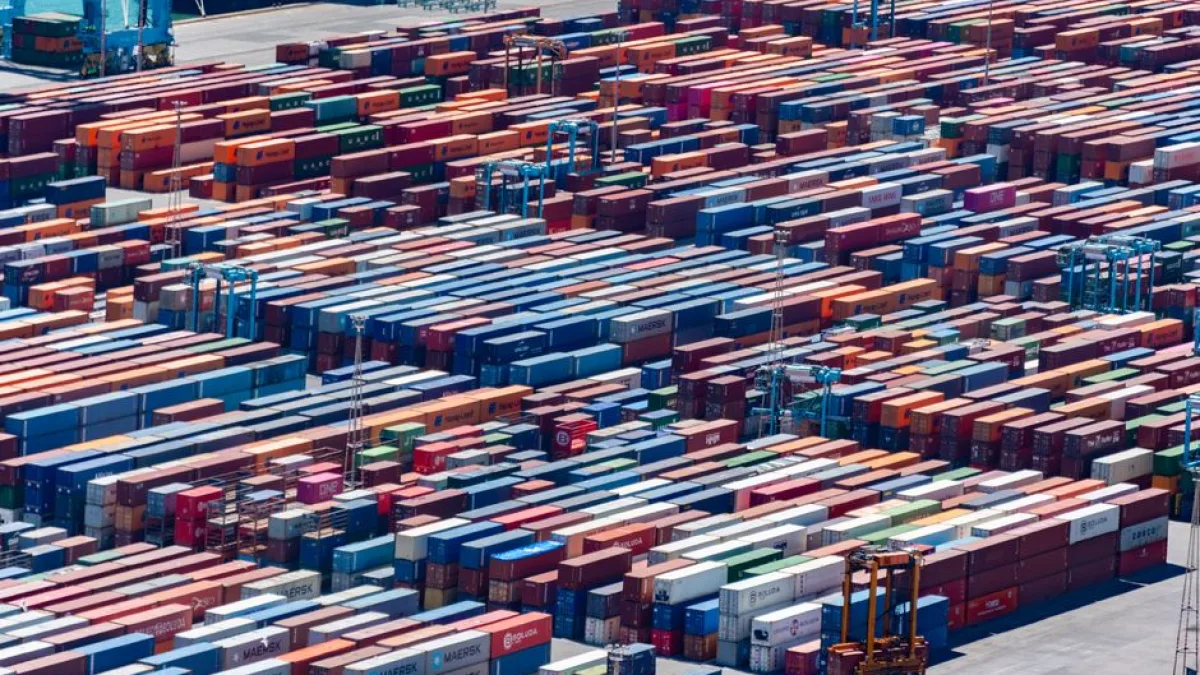
Maintaining strong carrier relationships is vital for securing space and competitive pricing during periods of high demand. A digital platform helps you track performance metrics and manage capacity commitments, ensuring you always have the best options available for your global cargo shipping needs.
- Carrier performance metrics: Analyze historical data to identify which partners provide the most reliable service, allowing you to prioritize top-tier carriers for your most important shipment deadlines.
- Capacity planning tools: Monitor space availability across major trade lanes to make informed booking decisions that align with current market fluctuations and your own client delivery commitments.
- Rate management databases: Consolidate all carrier pricing tiers into a single searchable database, enabling your team to provide instant quotes that remain both profitable and highly competitive.
- Collaborative communication logs: Keep records of all negotiations and agreements with carriers directly within the shipment file to avoid misunderstandings regarding rates, surcharges, or special handling instructions.
Your ability to manage carrier partnerships effectively will define your long term success in the logistics sector. Digital platforms provide the necessary insights to move beyond simple transactional relationships. By utilizing data to show carriers your commitment and volume reliability, you gain leverage. This results in better service during peak seasons and more favorable contract terms that keep your business profitable every year.
Scaling Operations Through Cloud Technology

Cloud-based freight software enables your company to expand operations without the burden of physical hardware. This flexibility allows your team to work from anywhere in the world, providing a seamless service experience that adapts to the fast-paced nature of modern global logistics.
- Remote team collaboration: Allow your logistics coordinators to manage shipments and update records from any location, ensuring that your business remains operational across different global time zones.
- Instant system scalability: Adjust software user licenses and storage capacity instantly to accommodate seasonal fluctuations in shipment volume without needing to invest in permanent internal IT infrastructure.
- Enhanced data security: Protect sensitive client and financial information with high-level encryption and regular cloud backups, which are far more secure than traditional physical file storage methods.
- Seamless software updates: Benefit from automatic feature deployments that ensure your platform always utilizes the latest industry technology, keeping you ahead of the digital freight competition.
The ability to scale your operations dynamically is the true secret to building a resilient freight forwarding business. Cloud technology eliminates the physical constraints that once held local firms back from international growth. By centralizing your operations on a flexible digital foundation, you can pivot quickly when market conditions shift. This agility ensures your team stays ahead of competitors in a demanding global industry.
Conclusion
Modernizing your freight operations is a strategic journey that requires dedication to digital transformation. By integrating tracking, automation, and cloud tools, you position your firm for sustainable growth in a crowded market. Start evaluating your current manual bottlenecks today and move toward a more automated future. MakeCargo provides the essential infrastructure to support your success as you navigate the complexities of global logistics.