Mastering Global Customs Compliance: A Freight Forwarder Guide
Sunday, August 2 2026
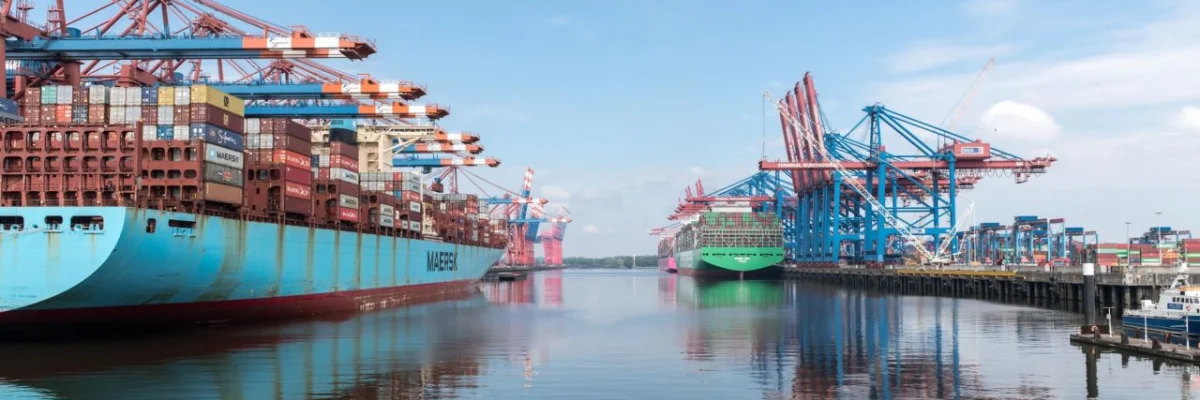
Global trade relies on the seamless movement of goods across complex jurisdictional borders. For freight forwarders, maintaining strict customs compliance is the difference between operational success and costly logistical delays. As international regulations evolve and digital documentation requirements tighten, firms must modernize their internal workflows to avoid penalties. Navigating multifaceted tariff systems, import licenses, and ever-changing trade agreements requires a robust strategy. By integrating automated software solutions into your daily operations, you can ensure accuracy, improve data transparency, and provide superior service levels to clients while effectively mitigating risks in an increasingly volatile global shipping environment.
Understanding Regulatory Compliance Frameworks
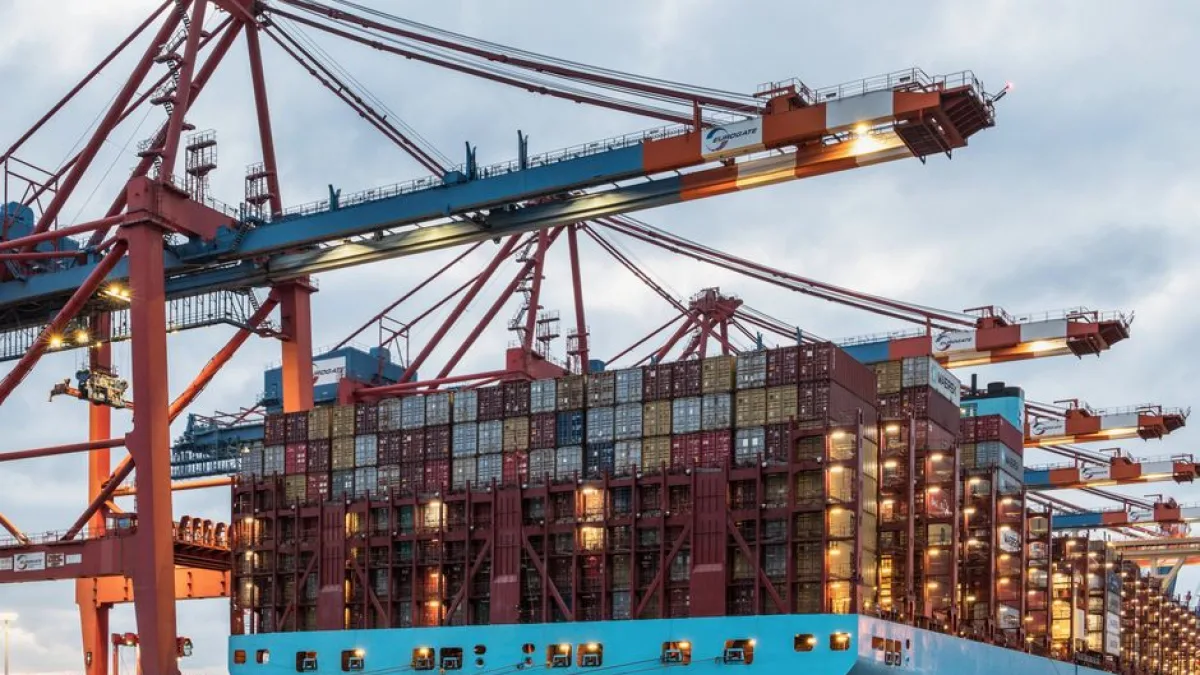
Navigating the labyrinth of international customs regulations requires a deep understanding of current legal frameworks. Freight forwarders must ensure that every shipment adheres to regional import standards to prevent significant operational bottlenecks and ensure cargo moves through borders without unnecessary interference.
- Tariff Classification Accuracy: Properly identifying the Harmonized System codes for all transported goods is essential for ensuring that the correct duty rates are applied during the customs clearance process.
- Export Control Laws: Freight forwarders must actively screen shipments against international sanction lists and export control regulations to prevent the unauthorized transfer of restricted items or prohibited materials.
- Documentation Integrity Standards: Maintaining precise records of commercial invoices and packing lists is critical for demonstrating transparency to customs authorities during mandatory audits or random border shipment inspections.
- Trade Agreement Utilization: Leveraging various regional free trade agreements can significantly lower costs for clients, provided that the forwarder strictly verifies the origin of all cargo items.
- Compliance Audit Preparedness: Establishing routine internal review protocols ensures that your freight brokerage remains ready for official inquiries by demonstrating consistent adherence to updated international maritime safety standards.
Adopting a proactive approach to regulatory frameworks prevents minor errors from snowballing into massive financial liabilities. By standardizing your documentation procedures, you build trust with customs officials and increase the likelihood of expedited clearance times. Digital tools facilitate this process by flagging missing information before it becomes a compliance issue. Staying ahead of legislative changes is the ultimate competitive advantage for modern logistics companies.
Leveraging Technology for Customs Accuracy

Modern cloud-based platforms provide the digital foundation necessary to automate complex compliance tasks. By removing manual data entry from the equation, software solutions help freight forwarders eliminate human errors and maintain high levels of data integrity across global shipping operations.
- Automated Data Validation: Real-time validation tools automatically check incoming shipment data against customs databases to ensure all submitted information is accurate before it reaches the final destination ports.
- Integrated Customs Filing: Direct electronic links between your forwarding software and customs authorities allow for instant submission of declarations, which significantly speeds up the overall clearance lifecycle.
- Centralized Document Storage: Secure cloud repositories ensure that every compliance document is easily accessible and searchable, reducing time spent during intensive verification processes or customs audits.
- Automated Alerts System: Receive instant notifications about changes in shipping regulations or status updates regarding shipments that require immediate attention from your compliance team or stakeholders.
- Workflow Transparency Tools: Enhanced visibility across every stage of the transit process helps managers monitor compliance performance and identify potential bottlenecks before they affect the final delivery.
Technology transforms compliance from a manual burden into an automated competitive strength. With centralized systems, your team spends less time hunting for files and more time managing logistics relationships. These tools ensure that your business remains compliant while simultaneously increasing throughput capacity. Invest in the right infrastructure today to guarantee that your freight forwarding firm stays ahead in the global digital landscape.
Managing Risk in International Logistics
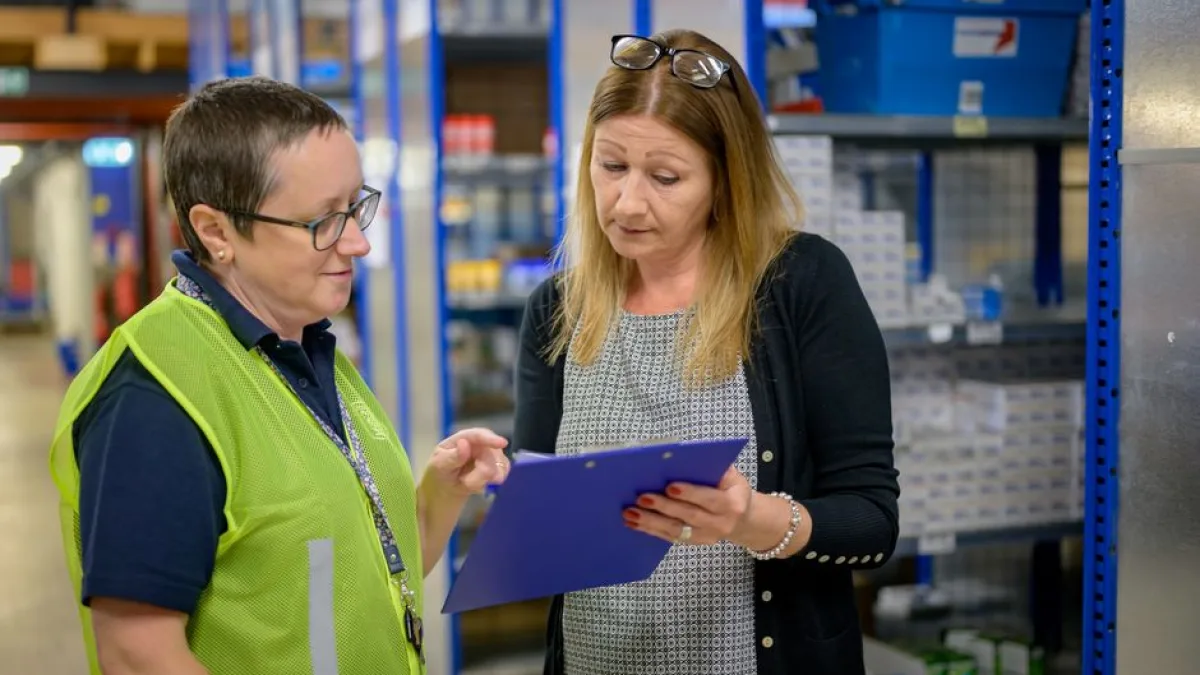
Effective risk management requires identifying vulnerabilities throughout the supply chain before they lead to cargo seizure or massive fines. Forwarders who prioritize rigorous risk assessment strategies can protect their reputation while maintaining a smooth and efficient flow of trade goods.
- Supply Chain Security: Implementing stringent security measures at every node of the logistics journey prevents the unauthorized infiltration of cargo and protects against illegal shipping activities.
- Vendor Compliance Screening: Regularly assessing the reliability and compliance history of your sub-contractors and shipping partners minimizes the risk of legal complications arising from external partner actions.
- Financial Risk Mitigation: Comprehensive insurance coverage and financial contingency planning help manage the economic impact of unexpected customs delays or sudden changes in regional import taxation policies.
- Geopolitical Risk Awareness: Staying informed about political instability and sudden border policy shifts is crucial for developing alternative routing strategies that keep your cargo moving during crises.
- Proactive Problem Resolution: Establishing clear protocols for handling compliance incidents allows your team to address errors rapidly, minimizing the potential negative impact on the client experience.
Proactive risk management is the bedrock of a resilient freight forwarding business model. By anticipating potential hurdles and preparing robust mitigation plans, you protect your clients from unforeseen disruption and solidify your status as a reliable industry partner. Continuous monitoring and clear communication ensure that any obstacles encountered are handled with precision, maintaining your company reputation and long-term operational viability in competitive markets.
Building Trust with Customs Authorities

Building a reputation for excellence with customs officials is not just about following rules, it is about demonstrating consistent professional integrity. Firms that prioritize transparency and provide accurate, timely data are treated as trusted partners, which often leads to smoother processing for their global client base.
- Consistent Record Keeping: Maintaining an organized and transparent history of all past shipments demonstrates your commitment to compliance and facilitates a smoother relationship with border agencies.
- Effective Communication Channels: Establishing clear lines of communication with customs officers helps resolve minor discrepancies quickly, preventing small errors from escalating into formal investigations or penalties.
- Staff Training Programs: Investing in regular professional development for your team ensures that everyone remains updated on the latest compliance best practices and local customs requirements.
- Ethical Business Practices: Maintaining high ethical standards in all dealings prevents common pitfalls that could damage your relationship with government authorities and jeopardize your shipping license.
- Quality Control Reviews: Periodic audits of your submission process identify potential weaknesses and allow you to implement corrective actions before any official reports are requested publicly.
Trust is an intangible asset that pays dividends during daily customs clearance operations. By consistently delivering high-quality documentation and demonstrating a dedication to legal compliance, your business becomes a preferred partner for border authorities. This level of professionalism reduces administrative friction, allowing you to focus on scaling your logistics operations. Make compliance the foundation of your long-term success and growth in global markets.
Conclusion
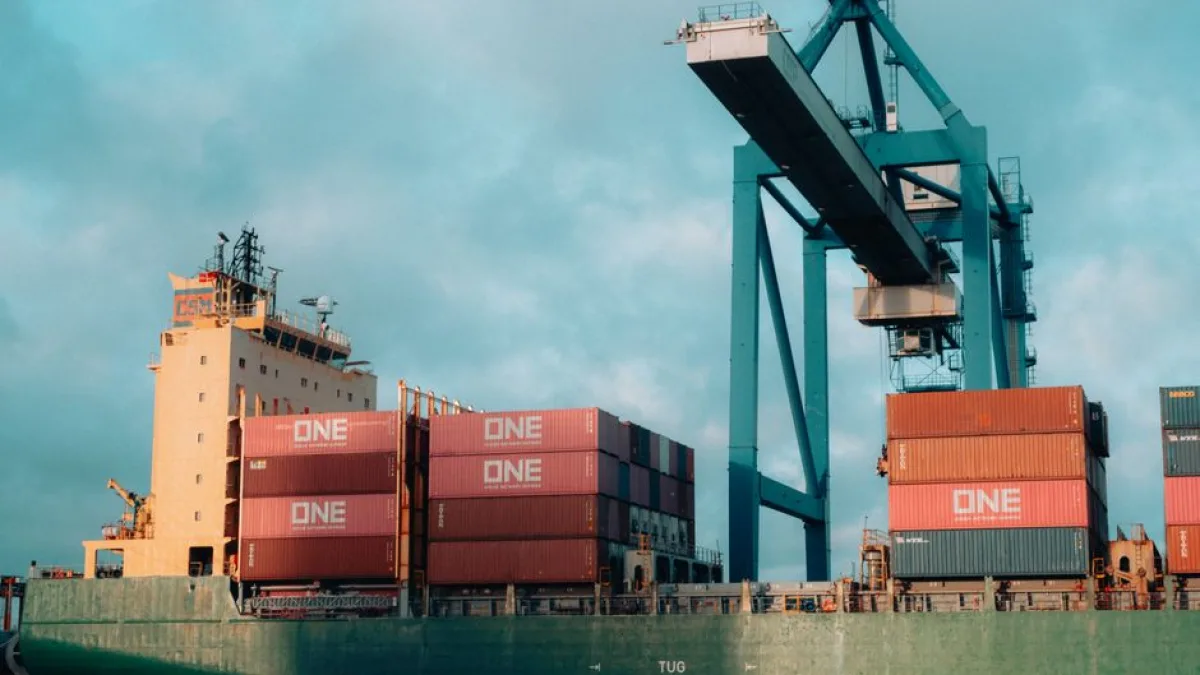
Mastering customs compliance is essential for any forwarder looking to dominate the global logistics market. By leveraging modern cloud software and adopting a rigorous, proactive approach to risk management, you can overcome complex regulatory hurdles with confidence. Focus on data accuracy, invest in staff education, and maintain transparent communication with authorities to streamline operations. Start optimizing your compliance workflow with MakeCargo today for better results.