Mastering Global Customs Compliance in Modern Freight Forwarding
Tuesday, August 4 2026
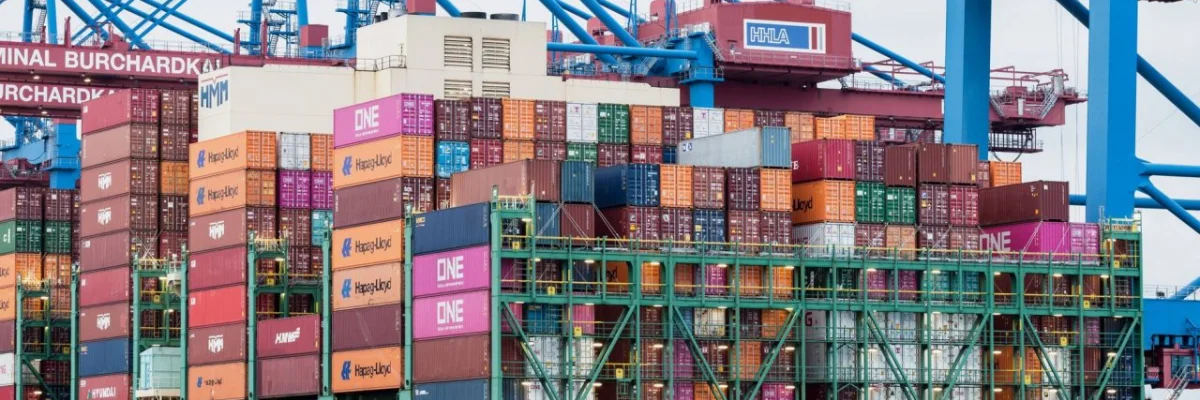
Navigating the complex landscape of international trade requires freight forwarders to maintain absolute precision regarding customs compliance. As global regulations shift rapidly, forwarders face mounting pressure to eliminate errors that lead to costly delays, heavy fines, or seized cargo. By integrating advanced cloud technology into your daily operations, your team can automate documentation, track regulatory updates in real time, and ensure seamless cross-border transit for your clients. Proactive compliance is no longer just a legal necessity but a competitive advantage that defines the reliability and efficiency of your logistics services in an increasingly volatile global economy.
Understanding Regulatory Compliance Frameworks

Regulatory frameworks form the foundation of international trade, requiring constant vigilance from forwarding teams to avoid legal pitfalls. Staying informed about local and international laws ensures that every shipment meets specific documentation criteria, reducing the risk of administrative hold-ups at borders.
- Harmonized System Codes: Properly classifying goods using accurate HS codes is essential for calculating duties and ensuring compliance with international trade standards established by the World Customs Organization.
- Export Control Laws: Adhering to strict export control regulations prevents the illegal transfer of sensitive technologies and goods to restricted parties or sanctioned countries across the globe.
- Country Specific Requirements: Each destination country maintains unique import regulations that require detailed knowledge of local laws to prevent shipments from being rejected upon arrival at customs.
- Duty Drawback Programs: Utilizing duty drawback programs allows businesses to recover paid duties on imported goods that are subsequently exported, significantly improving the overall cost efficiency of logistics.
Familiarizing your team with these frameworks creates a robust defense against compliance failures. Regular audits and continuous training are vital components of a successful strategy. When forwarders master these regulatory environments, they minimize the operational friction that typically slows down international supply chains. Implementing digital oversight tools allows for instant visibility into documentation status, ensuring that every shipment proceeds smoothly through the rigorous clearance process.
The Role of Digital Documentation

Manual paperwork is a significant source of errors that frequently plague freight forwarding operations. Transitioning to digital documentation systems enhances data accuracy, improves retrieval speeds, and creates a clear audit trail for every single document associated with a complex international shipment.
- Automated Data Entry: Cloud-based software reduces human error by automatically populating customs forms with data pulled directly from your master shipment files and verified cargo manifests.
- Electronic Filing Systems: Moving to electronic filing ensures that documents are instantly accessible to customs authorities, accelerating the verification process and reducing the time spent in ports.
- Version Control Protocols: Implementing strict version control ensures that all stakeholders work from the latest, most accurate documents, preventing confusion and potential misdeclarations during the shipping process.
- Secure Cloud Storage: Digital archives provide a centralized, secure location for storing critical compliance documents, making them readily available for audits and regulatory reviews at anytime.
Digital transformation is essential for forwarders who want to scale their operations without compromising on accuracy. By digitizing documentation, you remove the reliance on slow, paper-based workflows that often bottleneck global shipping. This shift empowers your staff to focus on high-value tasks while the software handles the repetitive data management duties, ultimately leading to faster clearance times and significantly higher client satisfaction rates.
Mitigating Risks in International Shipping

Risk management is the backbone of reliable logistics service providers who handle diverse global trade routes. Identifying potential hazards early in the planning stage allows for the implementation of preventative measures, safeguarding your reputation and your clients capital against unforeseen financial losses.
- Proactive Risk Assessment: Conducting thorough assessments of trade routes helps identify regions where compliance risks are higher, allowing for better planning and increased oversight of those shipments.
- Insurance Coverage Optimization: Securing comprehensive insurance policies is critical for protecting against potential losses stemming from customs delays, cargo damage, or unforeseen regulatory changes during transit.
- Vendor Compliance Audits: Regularly auditing your supply chain partners ensures that they also follow strict compliance standards, minimizing the risk of disruptions caused by third-party errors.
- Real Time Monitoring: Using advanced tracking software allows for real-time monitoring of shipments, ensuring that any deviation or delay is identified and addressed before it escalates.
Risk mitigation is an ongoing process that demands consistent attention to detail and a commitment to operational excellence. By preparing for potential challenges before they manifest, you provide your clients with peace of mind. Investing in a resilient compliance structure protects your business from the costly consequences of non-compliance. These strategic efforts foster long-term partnerships built on trust, reliability, and superior service performance.
Optimizing Workflow for Customs Clearance

Optimized workflows are the key to balancing speed with regulatory adherence in a fast-paced logistics environment. Refining how your team handles customs tasks ensures that every step is streamlined, reducing the total duration of the clearance cycle while maintaining high standards.
- Streamlined Approval Processes: Implementing standardized approval workflows ensures that all compliance documentation is thoroughly reviewed by designated experts before being submitted to the customs authorities for clearance.
- Standard Operating Procedures: Developing clear standard operating procedures helps your team maintain consistency across all shipments, ensuring that every task follows the same rigorous compliance protocols.
- Cross-Departmental Collaboration: Encouraging close collaboration between sales, operations, and customs teams ensures that all relevant information is shared quickly, leading to faster and more accurate processing.
- Feedback Loop Integration: Establishing a feedback loop based on past clearance data allows you to identify recurring issues and continuously refine your processes for better future performance.
Efficiency gains are achieved through constant process refinement and the smart application of technology. When you optimize your customs workflows, you not only save time but also significantly reduce the likelihood of avoidable errors. Building a culture of precision allows your freight forwarding company to handle larger volumes of cargo with greater ease. Excellence in process leads to lasting professional growth and stability.
Conclusion

Mastering customs compliance is a journey that requires constant learning and the adoption of modern technological solutions. By leveraging automated systems, digitizing critical documents, and maintaining a proactive risk management stance, freight forwarders can navigate the complexities of global trade with confidence. Start optimizing your compliance processes today with MakeCargo to ensure your business remains agile, compliant, and ready to meet future market demands.