Mastering Global Customs Compliance in Digital Freight Forwarding
Friday, August 7 2026
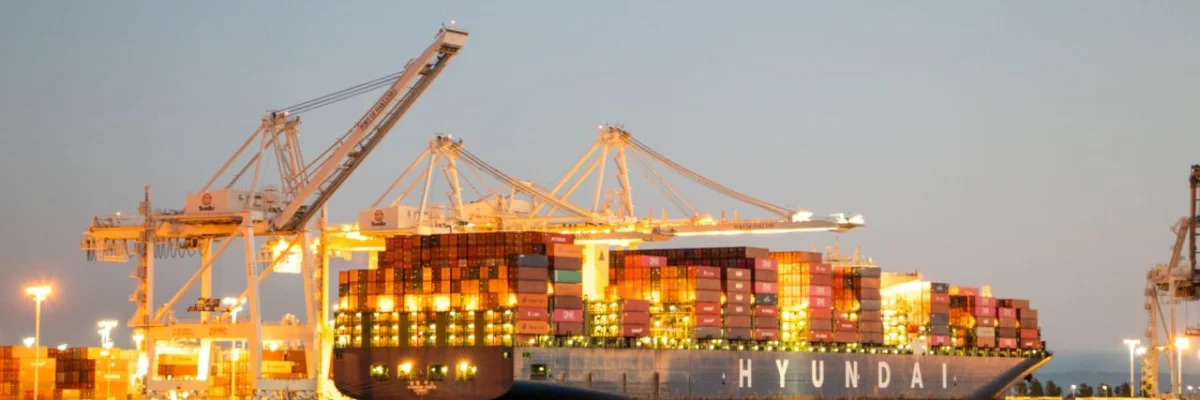
Navigating the complex landscape of international trade requires freight forwarders to maintain rigorous standards of customs compliance. As global regulations shift rapidly, the ability to process documentation accurately and efficiently remains a critical competitive advantage for logistics providers. Modern software solutions now play a pivotal role in ensuring that every shipment meets local and international legal requirements while minimizing costly delays. By integrating automated compliance checks and real-time data monitoring into their daily workflows, forwarders can protect their reputations, avoid hefty financial penalties, and foster trust with their clients across the global supply chain network today.
The Role of Data Integrity

Data accuracy forms the bedrock of modern customs clearance processes. When forwarders maintain high standards for digital record keeping, they significantly reduce the risk of human error during entry filing, ensuring that every shipment moves smoothly through national customs borders without unnecessary stops.
- Standardized data entry: Uniform input methods ensure that all declaration fields match official requirements across multiple jurisdictions, which prevents technical rejections during the automated submission process to government agencies.
- Real time validation: Automated software tools cross reference shipment data against updated tariff databases to confirm that commodity codes and duty rates remain accurate for every transaction.
- Audit trail maintenance: Keeping a detailed digital record of every document submission provides essential proof for customs authorities during mandatory post entry reviews or unexpected regulatory spot checks.
- Error reduction techniques: Implementing machine learning algorithms helps identify missing information or formatting inconsistencies before files are sent to customs authorities, saving significant time during busy seasons.
By prioritizing the integrity of every data point, forwarders create a robust framework that shields their operations from common logistical pitfalls. This proactive approach transforms traditional compliance tasks into a seamless digital workflow that empowers teams to handle higher volumes with greater precision. As your business scales, these automated systems ensure that your regulatory documentation remains consistent, reliable, and perfectly aligned with changing global trade requirements.
Automating Harmonized System Classification
Correctly identifying Harmonized System codes is often the most time consuming aspect of customs declarations. Leveraging smart automation allows forwarders to classify complex goods rapidly, reducing the risk of misclassification penalties that frequently disrupt global supply chains and lead to audits.
- AI powered classification: Intelligent systems analyze item descriptions to suggest appropriate codes, minimizing the chance of incorrect duty calculations that often trigger formal customs investigations or audits.
- Centralized tariff databases: Accessing live updates from international trade authorities ensures that your classification logic always reflects the latest tax brackets and trade agreement statuses for goods.
- Historical data reuse: Utilizing previous shipment history allows software to auto populate codes for recurring products, which improves operational speed while maintaining a high degree of regulatory accuracy.
- Dynamic code updates: Systems that track annual revisions to global tariff schedules ensure that your clients remain compliant with new international standards without manual intervention or oversight.
Automating the classification process eliminates the guesswork that often plagues manual documentation efforts. When forwarders rely on high performance software to handle technical coding, they can shift their focus toward strategic client advisory services instead. This transition not only boosts overall productivity but also strengthens the reliability of your logistics operations, ensuring that every cargo release process is executed with total confidence.
Managing Trade Agreements Efficiently
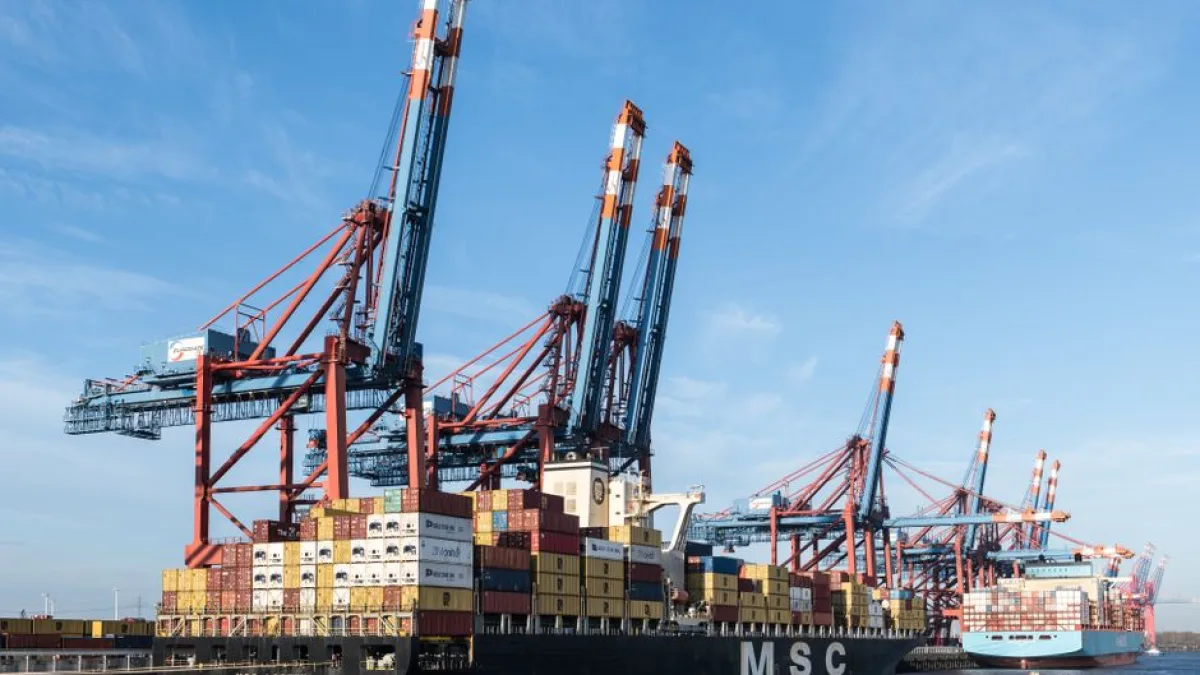
Leveraging preferential trade agreements is essential for optimizing total landing costs for importers. Freight forwarders must ensure that all supporting documentation, such as certificates of origin, is correctly validated to qualify for duty exemptions and special preferential tariff rates.
- Document status tracking: Software platforms monitor the validity of critical certifications, alerting your team when expiry dates approach to prevent the accidental loss of valuable tariff benefits.
- Digital origin verification: Integrating with blockchain or secure cloud systems enables instant verification of origin proofs, which streamlines the approval process for duty free entry into markets.
- Regional trade compliance: Sophisticated tools automatically apply specific regional regulations to your shipments, ensuring that you maximize all available tax savings without violating complex international trade rules.
- Client compliance reporting: Providing clear summaries of duty savings helps your clients understand the direct financial value of your customs expertise, building long term loyalty and trust.
Successfully managing preferential agreements demonstrates a high level of operational maturity that clients value deeply. By using digital platforms to track and confirm eligibility, you simplify a task that was once riddled with paperwork and complex verification delays. Your ability to provide accurate duty relief strategies differentiates your services from competitors, positioning your company as an indispensable partner in every client supply chain.
Future Proofing Your Compliance Strategy

The customs environment is constantly evolving due to new security mandates and trade policies. Forwarders must remain agile by adopting flexible cloud solutions that adapt to changing legal frameworks, ensuring long term resilience against potential industry disruptions or unexpected global trade shifts.
- Cloud infrastructure scalability: Storing compliance data in the cloud allows for instant updates and remote access, which is crucial for managing global operations across different time zones easily.
- Security protocol upgrades: Modern software providers frequently update their platforms to meet new cybersecurity standards, protecting sensitive trade data against emerging digital threats and unauthorized access attempts.
- Regulatory alert systems: Automated notifications provide your team with early warnings about changes in customs law, allowing you to prepare operational adjustments before new policies take effect.
- Custom reporting tools: Designing bespoke compliance dashboards enables stakeholders to visualize performance metrics and identify potential bottlenecks before they impact your overall shipping timelines or costs.
A forward thinking strategy focuses on agility and continuous technological improvement to stay ahead of regulatory curves. By integrating these systems into your company culture, you create a sustainable model that welcomes change rather than fearing it. Your commitment to constant innovation and rigorous compliance standards will define your market success, allowing you to navigate even the most challenging international shipping environments with ease.
Conclusion
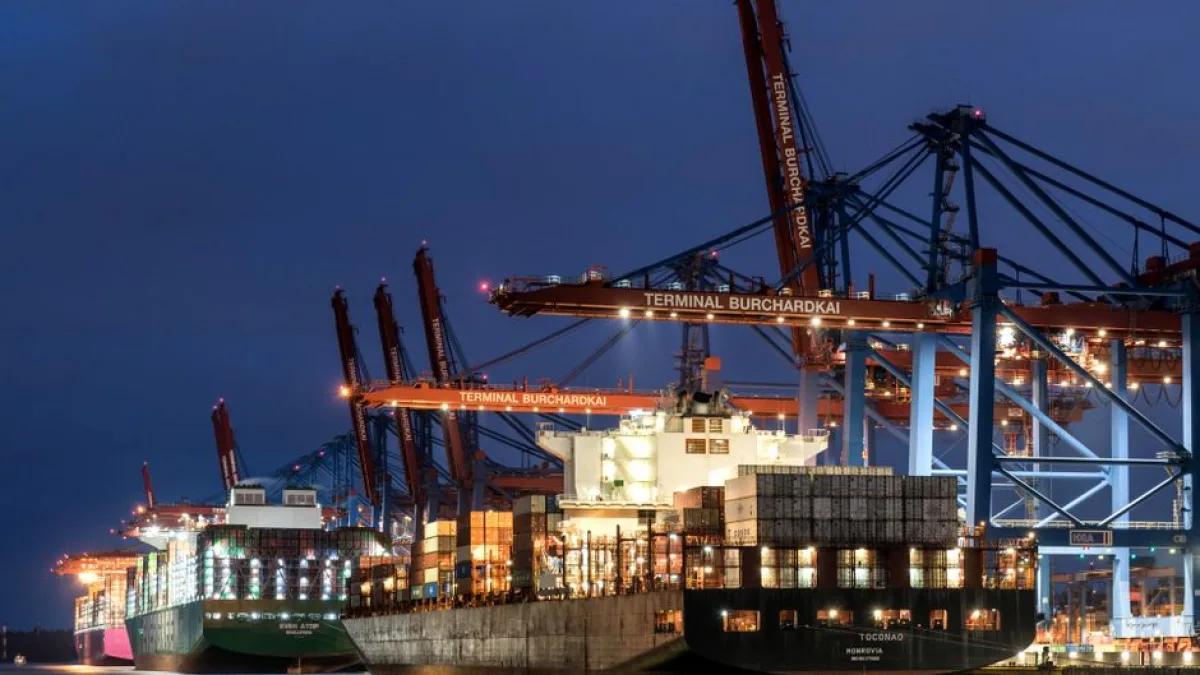
Maintaining excellence in customs compliance requires a dedication to both technological innovation and rigorous operational standards. By leveraging cloud based platforms to manage data integrity, classification, and trade agreements, freight forwarders can effectively mitigate risk and drive significant value for their clients. Start optimizing your customs workflow with MakeCargo today to ensure your logistics operations remain efficient, accurate, and fully compliant in an evolving market.