Mastering Global Customs Compliance in Modern Freight Forwarding
Sunday, August 16 2026
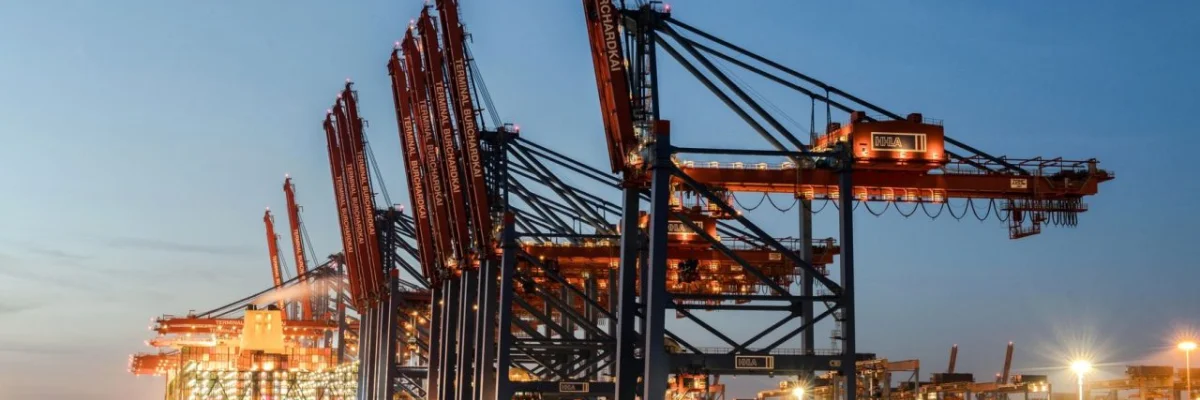
Navigating the complex landscape of international trade requires freight forwarders to maintain impeccable compliance standards at every turn. As global supply chains become increasingly intricate, the risks associated with improper documentation and regulatory oversight have never been higher. Customs authorities are leveraging advanced data analytics to detect discrepancies, making manual processing methods obsolete and risky for growing logistics firms. By embracing digital integration and real time monitoring, forwarders can protect their reputations while ensuring seamless movement of goods across borders. Staying ahead of regulatory shifts is no longer optional but a fundamental requirement for long term success in the competitive logistics industry.
Automating Essential Documentation

Automating your paperwork is the most effective way to eliminate human error while significantly speeding up the clearance process for international shipments. By leveraging cloud based software, your team can ensure that every declaration is accurate, complete, and filed on time.
- Real time validation: Automated systems check your data against local customs requirements to prevent common mistakes before they result in costly delays or potential penalties during the clearance process.
- Digital document storage: Centralizing your shipping documents in a secure cloud repository ensures that all team members access the latest versions while meeting strict regulatory record keeping requirements effortlessly.
- Seamless data mapping: Software solutions automatically pull information from your bookings into customs forms, reducing the time spent on manual entry while maintaining high levels of data consistency.
- Integrated compliance alerts: Receive automatic notifications whenever local customs regulations change, allowing your operations team to adjust their workflows immediately to maintain full compliance with international trade laws.
Transitioning to automated workflows allows your staff to focus on strategic client growth rather than repetitive administrative tasks. As documentation moves from paper to digital formats, the transparency of your operations improves significantly. This shift not only builds trust with customs authorities but also provides your clients with the reliability they expect, ensuring your freight forwarding business remains resilient against unforeseen global regulatory changes.
Leveraging Advanced Data Analytics

Data analytics transforms raw shipping information into actionable insights that help you anticipate compliance challenges before they impact your bottom line. Use these powerful tools to identify trends and optimize your clearance strategies for better operational efficiency today.
- Predictive risk assessment: Modern analytics engines evaluate historical shipment data to highlight high risk lanes or partners, allowing you to implement extra verification steps for sensitive international cargo.
- Performance tracking metrics: Monitor key indicators like clearance cycle times and rejection rates to identify internal bottlenecks that might hinder your overall customs compliance and general shipping speed.
- Visual reporting dashboards: Dynamic visual interfaces provide clear insights into current compliance health, helping management teams make informed decisions based on accurate and live shipping documentation data.
- Trend identification tools: Stay ahead of the curve by identifying emerging trade patterns or potential regulatory shifts early, providing your clients with proactive advice on their supply chains.
Harnessing the power of your own data turns a defensive compliance strategy into a competitive advantage. When your team can visualize performance gaps, they solve problems before they escalate into major disruptions. Investing in robust analytics software empowers every freight forwarder to provide superior service levels, proving that your firm is a leader in modern, data driven logistics and international trade management.
Enhancing Partner Communication Channels

Strong communication channels between your firm, the shipper, and local customs brokers are vital for preventing errors. Establishing clear protocols ensures that all parties remain synchronized throughout the life cycle of every cross border shipment you manage globally.
- Centralized messaging portals: Eliminate scattered email chains by using dedicated communication platforms that keep all relevant parties updated on status changes and critical customs document requests instantly.
- Permission based access: Grant your clients and partners limited visibility into specific shipment files, fostering a transparent environment that builds long term trust while protecting sensitive business data.
- Automated status updates: Keep all stakeholders informed with trigger based notifications that automatically send updates when customs milestones are reached or if additional information is required quickly.
- Standardized response workflows: Create uniform templates for common inquiries or documentation requests to ensure that your team delivers consistent and professional service every single time it matters.
Effective collaboration is the glue that holds complex international logistics chains together during times of high pressure. By streamlining how information flows between departments and external partners, you reduce the likelihood of miscommunication causing clearance delays. This professional approach demonstrates your commitment to quality, ultimately helping you retain satisfied clients and secure your position as a trusted partner in global freight forwarding.
Adapting to Changing Trade Policies
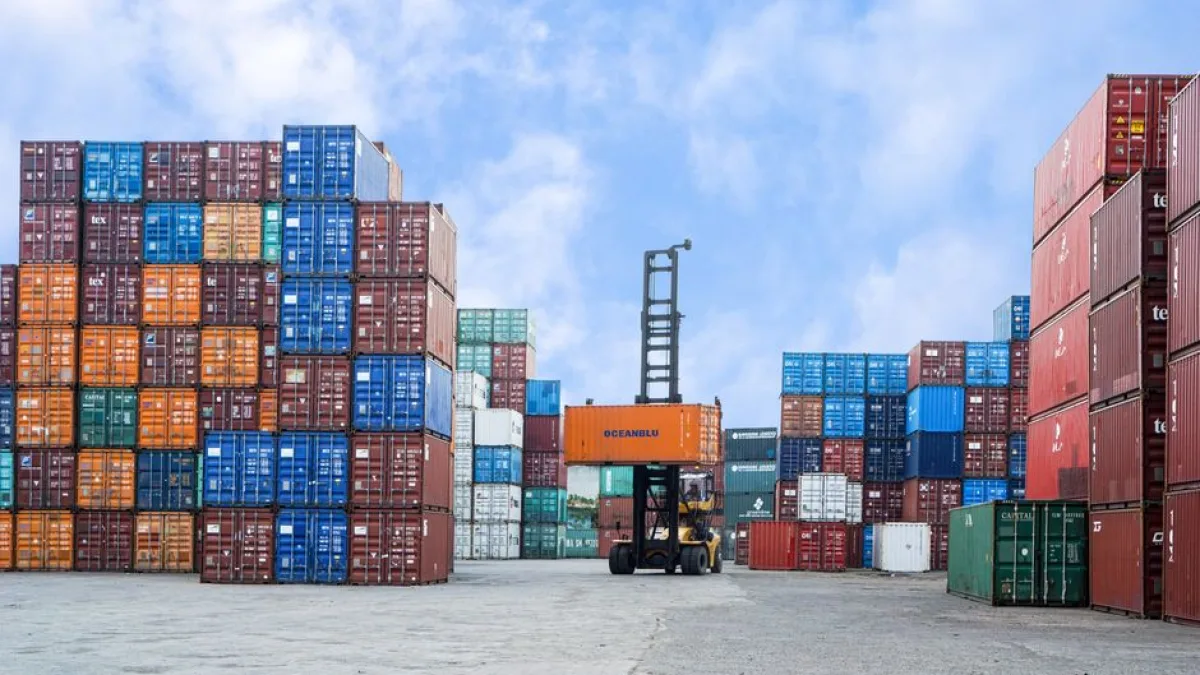
Trade policies evolve constantly, forcing freight forwarders to remain agile and well informed about international regulations. Developing a culture of continuous learning and adaptation is essential for maintaining your competitive edge in an ever changing global marketplace.
- Regulatory update monitoring: Subscribe to professional trade news feeds or government portals to receive the latest information on tariff adjustments, new trade agreements, and changing security requirements.
- Employee training programs: Conduct regular internal workshops to ensure that your staff is fully aware of updated customs procedures and modern best practices for international logistics compliance.
- Agile workflow restructuring: Design your internal software processes to be flexible, allowing your team to update shipment protocols rapidly as international trade policies change or new mandates arise.
- External consultant partnerships: Connect with trade compliance experts who can provide deep knowledge on specialized markets, helping you navigate complex regulatory environments for unique or hazardous cargo shipments.
Staying informed about shifting trade policies is a proactive duty that protects both your firm and your clients from unexpected financial losses. By fostering an environment where adaptation is welcomed, your company remains prepared for any market fluctuation. This dedication to regulatory excellence ensures you continue to provide seamless service while navigating the unpredictable nature of global trade and modern customs compliance requirements.
Conclusion
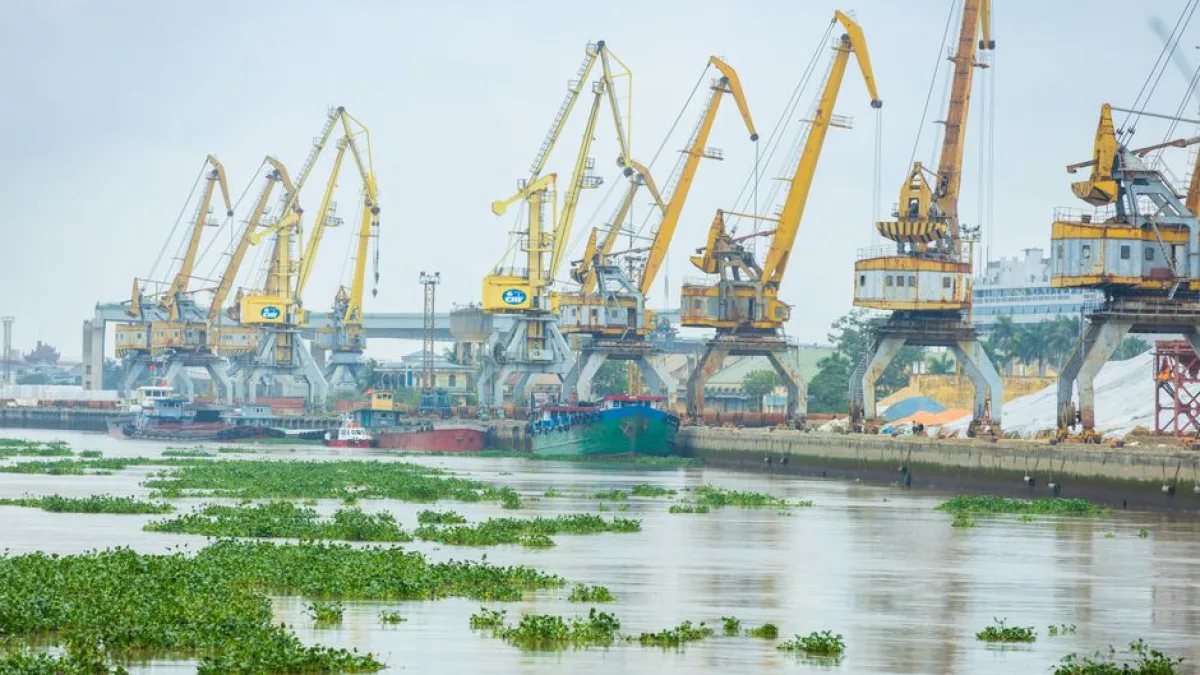
Maintaining high standards of customs compliance is fundamental to the success and sustainability of any modern freight forwarding business. By embracing automation, utilizing data insights, and fostering strong communication, you can mitigate risks while enhancing your operational efficiency. Take control of your compliance strategy today by integrating the right software tools and training your team to adapt to the ever evolving global regulatory environment.