Mastering Global Customs Compliance in Modern Freight Forwarding
Thursday, August 27 2026
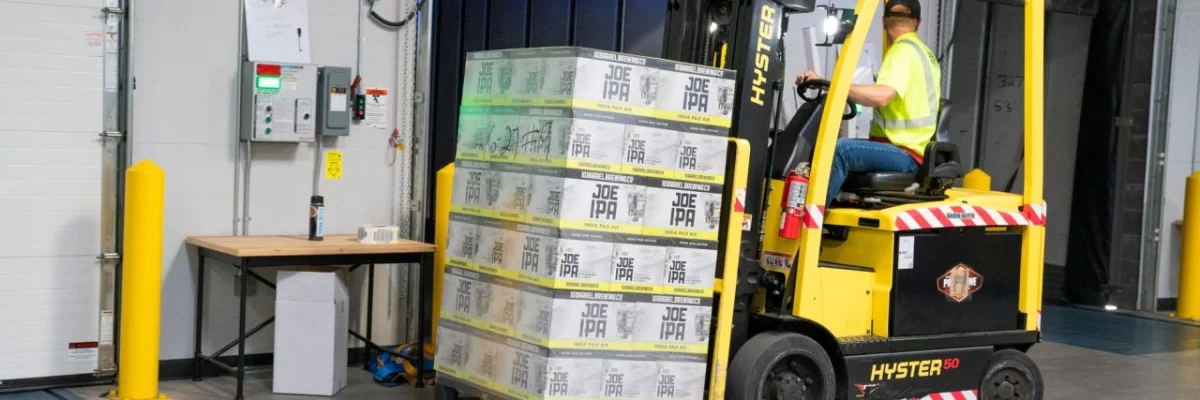
Navigating the complex landscape of international trade requires freight forwarders to maintain impeccable standards of customs compliance. As global regulations shift rapidly, the burden of ensuring accurate documentation and regulatory adherence rests heavily on logistics providers. Failure to meet these requirements often leads to severe financial penalties, operational delays, and long-term damage to corporate reputations. Leveraging digital tools and automated systems allows forwarders to mitigate these risks effectively. By integrating compliance workflows directly into their management software, businesses can achieve transparency and precision, ensuring that goods move seamlessly across borders while remaining fully aligned with evolving international trade mandates and local legal frameworks.
Automating Trade Documentation

Digital transformation has fundamentally changed how forwarders process customs paperwork, reducing reliance on manual entry methods. Modern software platforms help automate the creation of essential trade documents, ensuring that every submission is accurate, standardized, and compliant with current international customs requirements and trade laws.
- Real-time Data Validation: Automated systems check data against global trade databases to flag potential inconsistencies before they reach authorities, preventing costly filing errors and reducing the likelihood of physical inspections.
- Standardized Document Templates: Using pre-validated templates ensures that all commercial invoices and packing lists meet strict regulatory standards, which simplifies the clearance process for both agents and customs officers.
- Integrated Tariff Classification: Intelligent software suggests HS codes based on historical shipping data, helping forwarders minimize errors during classification and ensuring that duties and taxes are calculated with perfect accuracy.
- Audit Trail Preservation: Systems automatically store every iteration of a document, creating a comprehensive digital audit trail that proves compliance during random inspections or mandatory regulatory audits by authorities.
- Cloud-based Collaboration: Centralized platforms allow teams in different time zones to update and share documentation instantly, ensuring that all stakeholders have access to the latest, most accurate trade records.
Adopting automated documentation solutions provides a clear competitive advantage by reducing administrative bottlenecks. When manual errors are eliminated, your team spends less time fixing mistakes and more time focusing on high-value client services. This shift to digital accuracy fosters trust with customs officials, leading to faster clearance times and significantly smoother logistics operations for your global shipping partners throughout the entire transit process.
Understanding Regulatory Updates

Staying informed about constantly changing international trade regulations is a full-time challenge for forwarders. Utilizing smart software helps firms monitor legislative shifts in real-time, ensuring that operational procedures are always updated to reflect the latest customs mandates across various global territories.
- Live Regulatory Alerts: Automated notifications keep your team updated on changes to import laws, duty rates, or security requirements, ensuring that no regulatory update goes unnoticed during daily operations.
- Centralized Policy Repository: Maintaining a digital library of regional customs policies allows staff to quickly reference complex local requirements, promoting consistency and reducing reliance on outdated physical guidance manuals.
- Predictive Risk Assessment: Advanced analytics tools identify potential compliance risks by analyzing current trade lanes against new legislative proposals, allowing forwarders to adjust their strategies before problems arise.
- Supplier Compliance Monitoring: Integrated systems can track the status of trade licenses and certifications, ensuring that all partners in the supply chain maintain the necessary credentials to operate legally.
- Compliance Reporting Tools: Generate detailed reports that summarize regulatory adherence across your operations, providing management with the data needed to make informed decisions about future risk mitigation strategies.
Proactive monitoring of global trade policies ensures that your freight forwarding business remains resilient against sudden legislative shifts. By integrating these tracking tools into your daily workflow, you turn compliance from a reactive, stressful task into a structured, manageable process. This stability allows you to provide reliable guidance to your clients, positioning your firm as a highly trusted expert in the volatile international market.
Enhancing Supply Chain Visibility
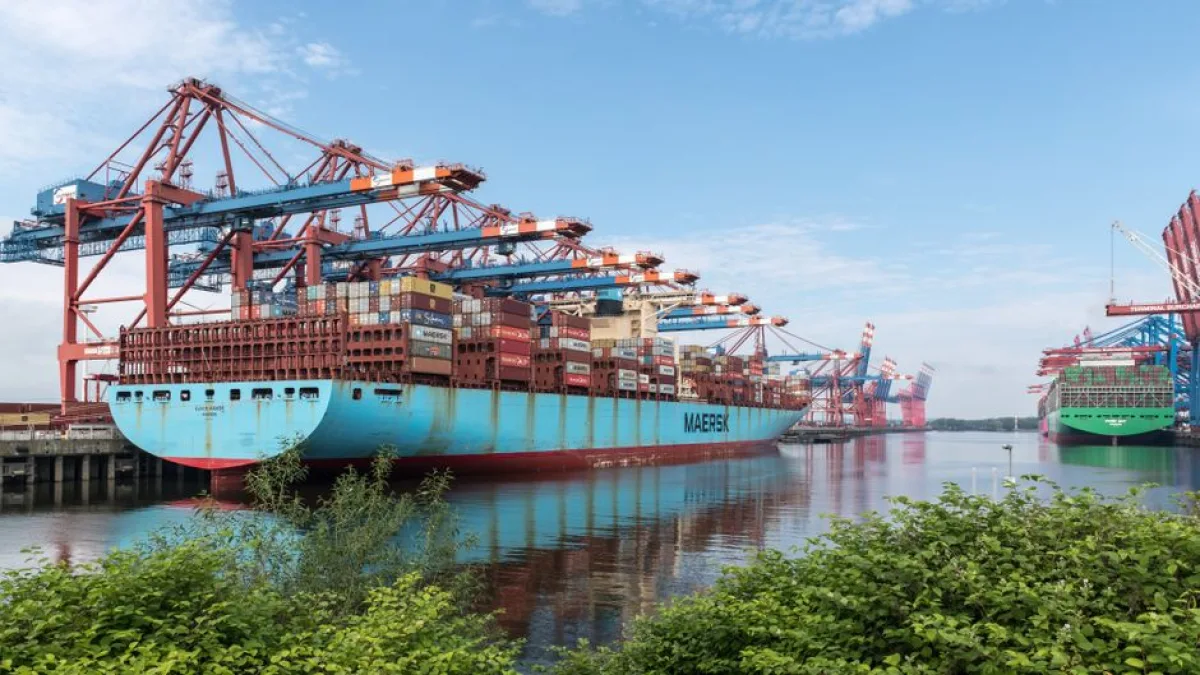
Full visibility across the supply chain is essential for maintaining customs compliance and managing risks effectively. Modern cloud software offers granular tracking capabilities, allowing forwarders to monitor cargo status and documentation progress from the point of origin to the final delivery destination.
- End-to-End Tracking: Monitor every stage of the shipment lifecycle to identify potential bottlenecks that might result in customs delays, allowing for rapid intervention before major complications occur during transit.
- Stakeholder Visibility: Provide shippers and customs brokers with secure, permission-based access to shipment data, ensuring that everyone involved has the information they need to fulfill their specific compliance obligations.
- Exception Management Alerts: Receive instant notifications when a shipment stalls, enabling your team to resolve paperwork issues or container disputes immediately rather than waiting for formal notices from customs.
- Performance Analytics Dashboards: Use visual data displays to identify recurring patterns in shipping delays, helping your team optimize route selection and partner choices for improved long-term compliance and reliability.
- Digital Inventory Control: Keep precise records of cargo contents and status, which simplifies the reporting requirements for bonded warehouses and transit shipments across multiple international border crossings and jurisdictions.
Enhanced visibility empowers freight forwarders to anticipate and neutralize problems long before they manifest as customs violations. When you have a clear, live view of your entire cargo movement, you gain complete control over the logistics cycle. This transparency not only boosts operational efficiency but also strengthens your relationships with clients who demand accountability and reliability in their global supply chain management activities.
Risk Mitigation and Training

Human error remains a primary cause of compliance failure, making staff training and structured risk management essential components of any successful freight forwarding strategy. Investing in professional development and robust internal software controls builds a culture of excellence and regulatory integrity within the organization.
- Role-based Access Control: Ensure that sensitive customs data is only accessible to authorized personnel, minimizing the risk of accidental data leaks or unauthorized changes to critical shipment documentation during processing.
- Continuous Staff Education: Provide regular training modules within the software platform to ensure all team members understand current customs regulations and the specific features of your digital tools.
- Standardized Workflows: Implement rigid, step-by-step processes for handling customs declarations, which forces consistency and reduces the chance that any individual employee misses a required step during the filing.
- Data Integrity Audits: Periodically run automated system checks to verify the accuracy of stored records, ensuring that your digital files remain in perfect alignment with physical goods being moved.
- Crisis Management Planning: Utilize software to develop and store contingency plans for high-risk shipments, ensuring that your team knows exactly how to respond if a regulatory issue suddenly occurs.
Building a robust risk mitigation framework is the ultimate safeguard for your freight forwarding firm. When your staff is well-trained and supported by secure, intuitive software, the probability of encountering costly compliance issues drops significantly. Investing in these human and digital resources pays dividends by ensuring sustainable growth, protecting your company reputation, and providing a foundation for consistent long-term success in logistics.
Conclusion
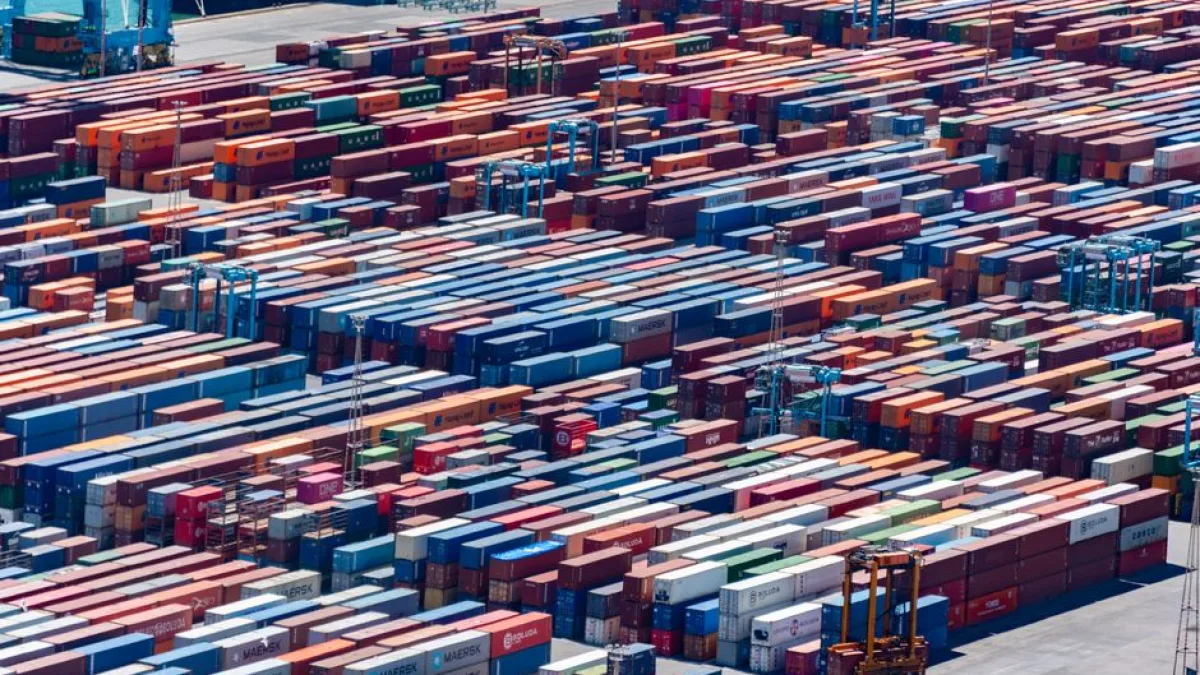
Mastering customs compliance is a vital necessity for any competitive freight forwarder in the modern logistics sector. By leveraging smart software to automate documentation, monitor regulatory updates, increase supply chain transparency, and train staff, companies can turn potential risks into reliable operational advantages. Embrace digital transformation today to ensure your business remains compliant, efficient, and well-positioned for future international trade opportunities and logistics challenges.