Mastering Global Customs Compliance in Digital Freight Forwarding
Saturday, September 19 2026
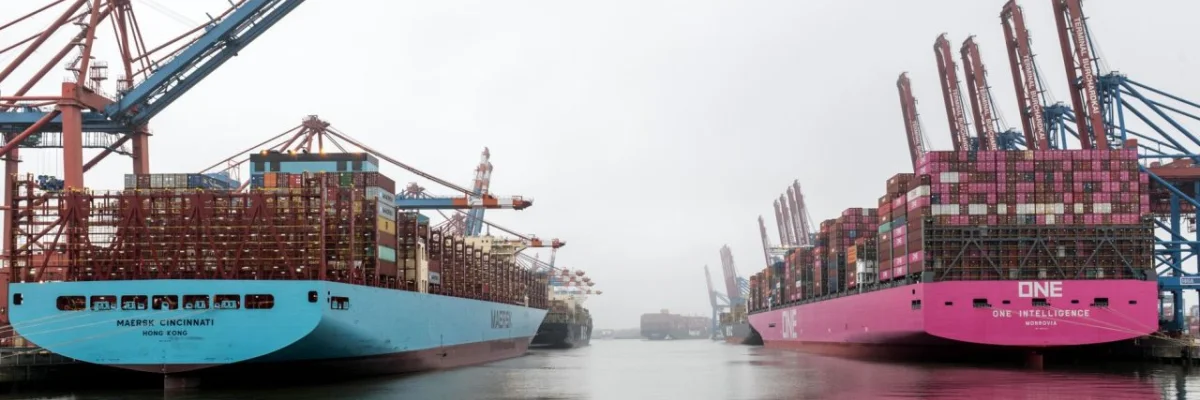
Navigating the complex landscape of international trade regulations requires precision and foresight from every freight forwarder. As supply chains become increasingly globalized, the pressure to maintain strict customs compliance has never been higher. Failure to adhere to local and international import-export laws can result in severe financial penalties, operational delays, and long-term damage to your professional reputation. By leveraging cloud-based platforms like MakeCargo, logistics providers can automate documentation workflows, reduce human error, and ensure real-time visibility into shifting regulatory requirements. Proactive compliance is the cornerstone of sustainable growth and operational excellence in the modern freight industry.
Automating Trade Documentation Processes

Digitizing your documentation workflow is the first step toward achieving compliance excellence. By moving away from manual, paper-based processes, your team can reduce the risk of clerical errors while maintaining a clear, auditable trail for every shipment handled across international borders.
- Data accuracy validation: Automated software tools cross-reference shipping documents against established customs databases to ensure that all figures and descriptions match the actual cargo contents before submission to authorities.
- Centralized document storage: Keeping all relevant trade invoices, packing lists, and licenses in a secure cloud environment ensures that you are always ready for random inspections or audits.
- Standardized compliance templates: Pre-built templates reduce the risk of omitting mandatory legal language required by different customs jurisdictions, keeping your filing process consistent across every single active account.
- Version control systems: Automated tracking ensures that your team always uses the latest version of regulatory forms, preventing submission rejections caused by using outdated or non-compliant paper documentation.
Adopting digital tools transforms how you handle paperwork. By removing the manual burden from your staff, you create a more resilient logistics operation that avoids common pitfalls. Modern software ensures that every document is stored, tracked, and verified with precision. Embracing these technological advancements not only improves speed but also provides the stability needed to scale your freight business in a competitive global market.
Managing Harmonized System Code Classification
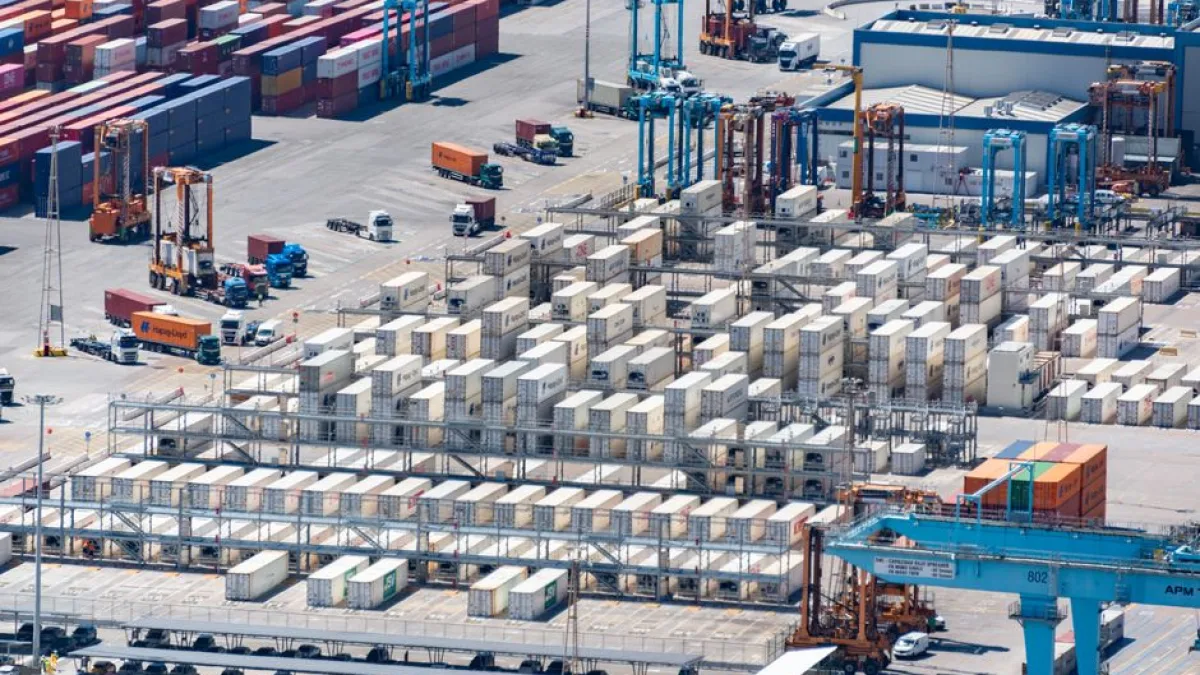
Accurate HS code classification is critical for determining applicable duties and tax rates. Misclassification often leads to significant financial discrepancies, causing goods to be held in customs zones for extended periods while authorities investigate the origin and value.
- Automated code suggestions: Advanced platforms utilize integrated databases to suggest accurate Harmonized System codes based on product descriptions, significantly reducing the guesswork traditionally involved in tariff classification.
- Regulatory alert updates: Systems automatically notify your compliance team when there are changes to tariff classifications, ensuring your data remains aligned with current global trade definitions.
- Classification history tracking: Storing previous classification decisions helps create an internal knowledge base that prevents repeating mistakes and assists in maintaining consistency for recurring shipment types.
- Expert verification flows: Integrated workflows allow senior compliance officers to review and approve complex code assignments before final declaration to ensure maximum accuracy and regulatory alignment.
Correct classification protects your clients from unexpected costs and potential legal repercussions during border clearance. By integrating automated lookup tools within your workflow, you guarantee that every shipment is assessed based on the latest tariff schedules. This diligent approach to classification builds trust with customs agencies and ensures that your operations remain fluid despite the complexities of international trade regulation.
Strengthening Supply Chain Visibility

Real-time visibility is the backbone of effective compliance management. When you can monitor your shipments at every stage of the transit process, you are better equipped to handle unexpected delays and provide accurate status updates to stakeholders.
- Milestone tracking updates: Automated status alerts provide granular visibility into every step of the transit journey, ensuring that you can intervene immediately if a shipment faces unexpected customs issues.
- Partner ecosystem integration: Connecting with carriers and agents through a shared platform ensures that information flows seamlessly, preventing communication gaps that often lead to regulatory compliance failures.
- Exception management alerts: Real-time notification systems flag potential compliance risks or documentation errors the moment they are detected, allowing for swift corrective action before shipment reaches the border.
- Enhanced shipment transparency: Providing clients with a portal to view their own compliance status reduces inquiry volume and demonstrates your commitment to transparency and high operational standards.
Comprehensive visibility does more than just track movement. It provides the necessary data points to preemptively identify compliance risks before they escalate into costly problems. By utilizing cloud-based systems to connect your entire supply chain, you ensure that every participant stays informed. This unified approach minimizes errors and helps you deliver a superior service experience that keeps your operations running efficiently and predictably.
Prioritizing Proactive Risk Management

Risk management is an ongoing process of assessment and adaptation. To stay ahead, freight forwarders must identify potential vulnerabilities in their compliance strategy and implement robust safeguards to protect against evolving global trade threats and market disruptions.
- Audit trail transparency: Maintaining a comprehensive digital record of every communication and document change allows for easy internal reviews and helps prove compliance during official external trade audits.
- Staff training modules: Incorporating compliance training directly into your platform ensures that all team members are updated on the latest international trade laws and company policies.
- Vendor compliance monitoring: Ensuring that all third-party agents and carriers meet your internal compliance standards is essential to maintaining the integrity of your entire global supply chain.
- Security protocol enforcement: Implementing strict role-based access controls ensures that sensitive shipment and customs data remains protected, minimizing the risk of unauthorized information leaks or data tampering.
Proactive risk management ensures the long-term viability of your freight forwarding business. By continuously reviewing your internal processes and upgrading your security standards, you shield your operations from unpredictable regulatory shifts. Investing in secure software and ongoing training creates a culture of compliance that protects your bottom line. Stay vigilant and use these strategies to maintain excellence in every shipment you manage.
Conclusion

Mastering customs compliance is a continuous journey that requires the right digital strategy. By focusing on automation, accurate classification, deep visibility, and proactive risk management, you position your firm as a leader in the global logistics industry. Use these practices to simplify your workflows and ensure complete regulatory alignment. Start optimizing your compliance processes today with MakeCargo to achieve greater efficiency and reliability.