Mastering Global Customs Compliance in Modern Freight Forwarding
Friday, September 25 2026
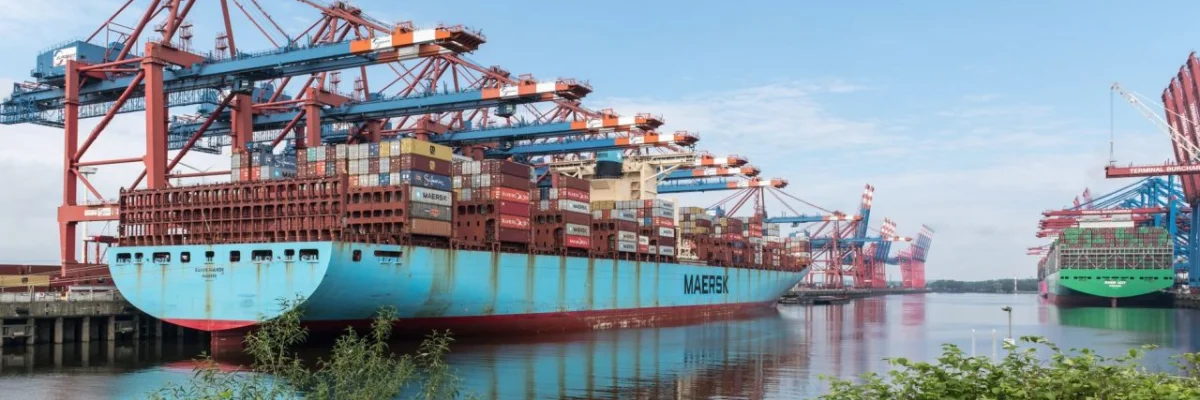
Navigating the complex landscape of international trade requires freight forwarders to maintain rigorous standards of customs compliance. As global regulations shift rapidly, forwarders must leverage technology to ensure accuracy and mitigate the risks of costly delays or penalties. Effective compliance is no longer just about meeting legal requirements; it is a critical competitive advantage that builds trust with clients and ensures smooth cross-border operations. By embracing digital automation and standardized procedures, logistics professionals can transform their regulatory processes into a robust foundation for scalable growth and operational excellence in today's demanding global shipping environment.
Automating Regulatory Data Entry
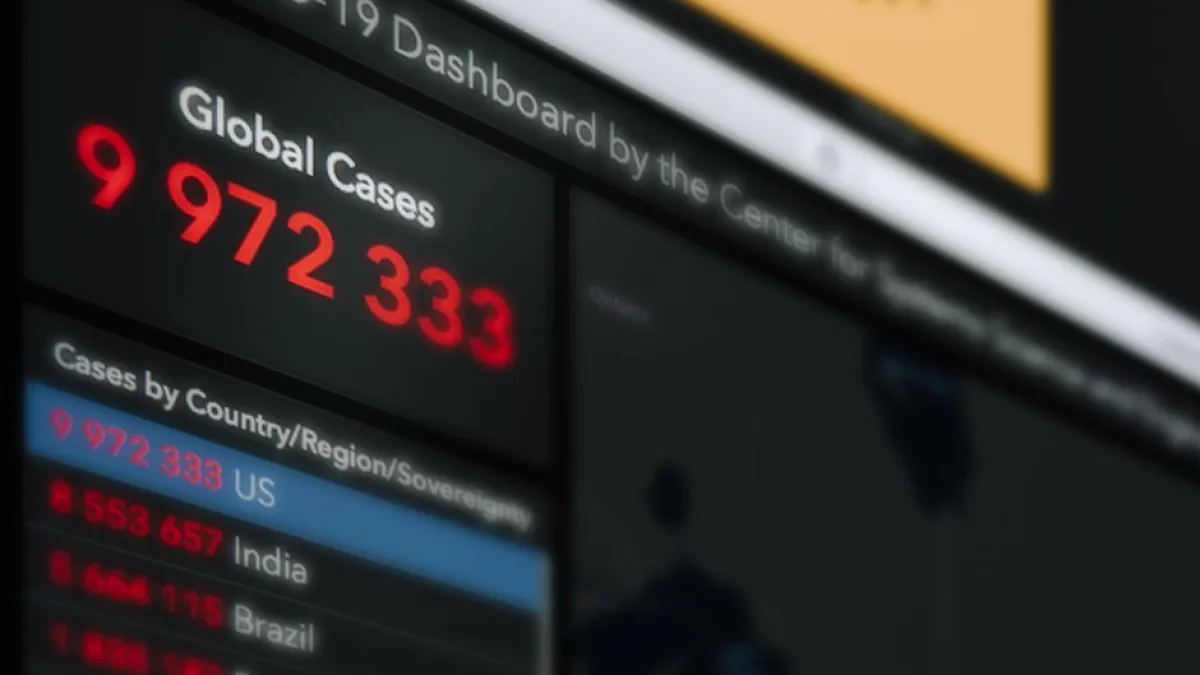
Digital transformation has revolutionized how freight forwarders handle customs documentation by replacing manual, error-prone workflows with sophisticated automated systems. Software integration ensures that critical trade data flows seamlessly from booking through to final clearance, significantly reducing the potential for human mistakes during entry.
- Real-time data synchronization: Our platform ensures that shipment information is updated across all modules instantly, which prevents inconsistencies between the commercial invoice and the final customs declaration documents.
- Validated field templates: We provide pre-populated templates that enforce field validation rules, ensuring that every mandatory customs data point is captured correctly before submission to the authorities.
- Automated duty calculation: Advanced algorithms automatically calculate applicable taxes and duties based on the latest tariff codes, ensuring precise financial reporting for your clients and customs officials.
- Digital audit trails: Every modification to your shipment data is logged automatically, providing a comprehensive history that simplifies internal compliance reviews and supports external customs inspection audits.
- Integration with customs: Seamless API connections allow your team to file electronic declarations directly with national customs agencies, eliminating the need for fragmented third-party data entry tools.
Adopting automated data entry solutions empowers your team to shift focus from repetitive manual typing to high-value logistical tasks. By eliminating the disconnect between logistics data and customs filings, you minimize the risk of rejected entries. This technological shift not only accelerates your turnaround times but also provides peace of mind that your operations remain compliant with the latest global trade regulations.
Managing Evolving Tariff Schedules
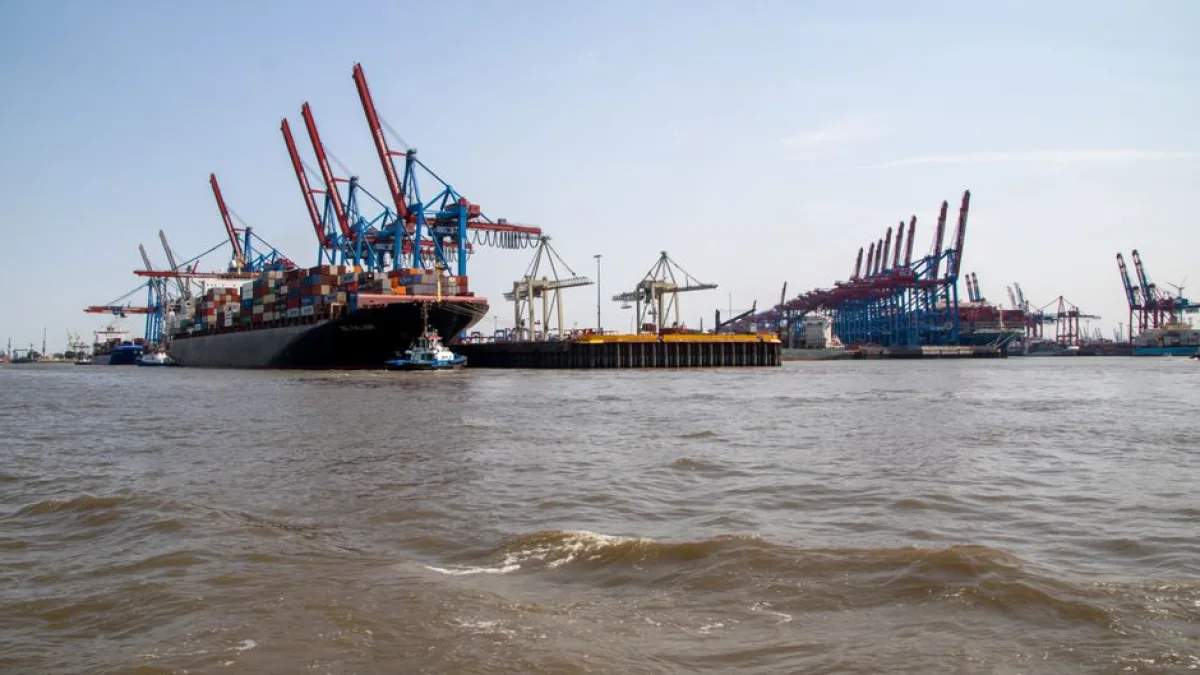
Maintaining up-to-date knowledge of changing tariff schedules is a constant challenge for freight forwarders. Global trade policies change frequently, requiring logistics professionals to monitor jurisdictional adjustments closely to ensure their clients pay the correct amounts and avoid unnecessary financial penalties.
- Automated tariff updates: Our system pulls the latest Harmonized System codes and duty rates directly from international databases, keeping your operations perfectly synced with current global mandates.
- Smart code classification: Utilize built-in tools to categorize goods accurately based on detailed descriptions, which minimizes the risk of misclassification and associated heavy financial penalties from authorities.
- Proactive duty monitoring: Set custom alerts for specific products to stay informed about sudden tariff increases, enabling you to provide timely advice and strategic value to shippers.
- Comprehensive audit logs: Maintain a clear record of which tariff classification was applied at the time of transit, providing essential evidence during post-clearance reviews or government inquiries.
- Customs compliance analytics: Identify patterns in your shipments to detect potential classification errors before they become costly issues, allowing for corrective action and improved long-term compliance accuracy.
Proactive management of tariff schedules is essential for maintaining a reliable reputation in the freight industry. By using automated tools to track and apply the latest codes, you remove the guesswork from international shipping. Staying ahead of these adjustments allows you to act as a strategic advisor for your clients, helping them optimize costs while ensuring complete transparency and adherence to international laws.
Strengthening Security and Verification
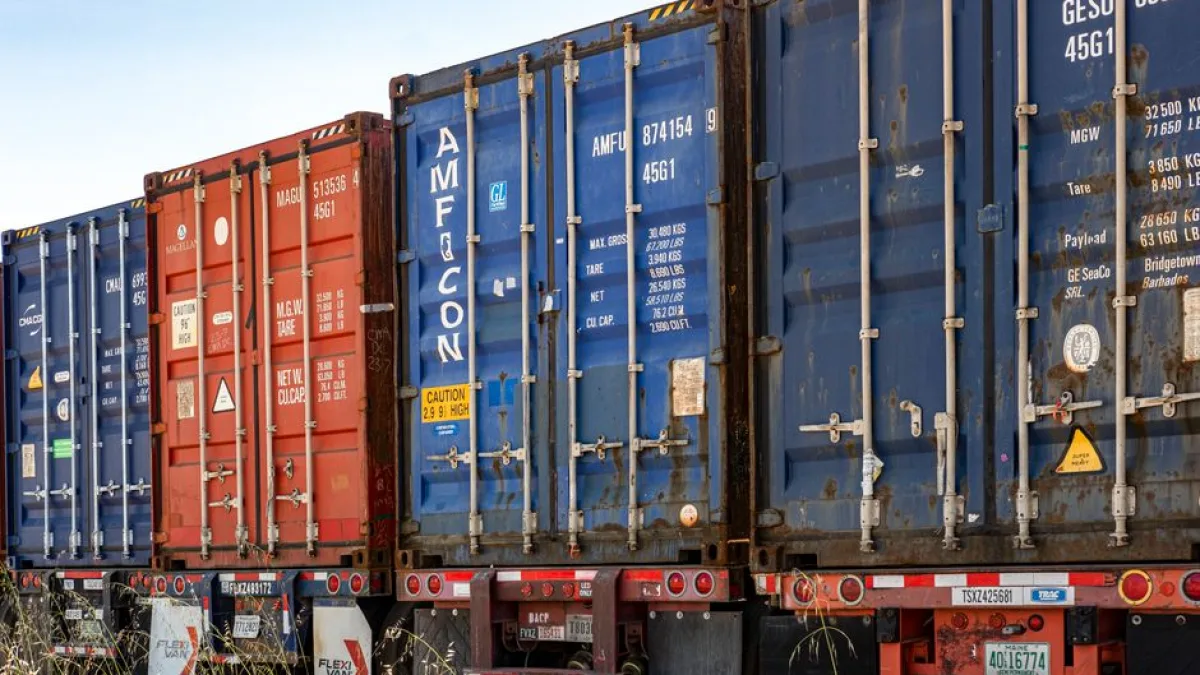
Security verification is a cornerstone of global trade compliance, requiring freight forwarders to validate the integrity of their supply chain continuously. Robust verification procedures help prevent illegal smuggling, protect against cargo theft, and ensure that all shipments meet the strict security protocols required by modern customs authorities worldwide.
- Validated party screening: Automatically cross-reference shippers and consignees against global restricted party lists to ensure you never conduct business with entities under international government sanctions.
- Document integrity checks: Verify the authenticity of all uploaded digital documents against established security standards, protecting your firm from fraudulent shipping requests or falsified customs paperwork.
- Enhanced container tracking: Monitor the physical and digital status of cargo throughout its journey, providing high levels of visibility that satisfy modern customs requirements for security.
- Access control systems: Implement strict user permissions within your software, ensuring that only authorized personnel can view or edit sensitive customs documentation or financial trade information.
- Encryption of sensitive data: Protect all client and customs information using industry-standard encryption protocols, keeping your trade data secure from cyber threats and unauthorized external access attempts.
Security is not merely about physical safety; it is about protecting the digital integrity of the entire supply chain. By implementing comprehensive verification and security protocols, freight forwarders create a trusted environment for international trade. These systems not only satisfy regulatory requirements but also foster client loyalty, proving that your firm prioritizes security as a core component of its service offering.
Streamlining Post-Clearance Audits

Post-clearance audits are an inevitable aspect of customs compliance, but they do not have to be stressful. Being prepared requires organized document management and a clear historical record of all transactions, which can be easily managed through integrated cloud platforms designed for the logistics industry.
- Centralized document repository: Store every declaration, invoice, and bill of lading in a single secure location, ensuring that auditors can access necessary files in just seconds.
- Custom reporting tools: Generate detailed compliance reports at the click of a button, providing authorities with exactly the data they require for their routine investigative procedures.
- Historical data retrieval: Effortlessly pull records from years past to answer retroactive inquiries, demonstrating your commitment to maintaining thorough and accurate business records for international authorities.
- Exception reporting features: Use smart filters to identify shipments with missing documentation or data inconsistencies, allowing you to resolve potential audit red flags before they escalate.
- Collaborative audit workflows: Share secure access with internal compliance officers or external auditors, facilitating a transparent and efficient review process that minimizes operational downtime for your firm.
Preparing for audits is significantly easier when your digital platform acts as a permanent record-keeper for your entire business. By centralizing your documentation and leveraging robust reporting, you turn what was once a disruptive process into a smooth, routine task. Mastering this stage of compliance solidifies your company standing as a transparent and reliable partner in the complex global logistics network.
Conclusion

Mastering customs compliance is the mark of a forward-thinking freight forwarder. By integrating advanced technology into your daily operations, you can simplify complex regulatory tasks, reduce human error, and build a more resilient supply chain. Focus on digital automation and proactive data management to ensure that your business stays compliant while providing exceptional service to clients. Start optimizing your customs processes with MakeCargo today.