Mastering Global Customs Compliance: A Strategic Guide for Freight Forwarders
Wednesday, September 30 2026
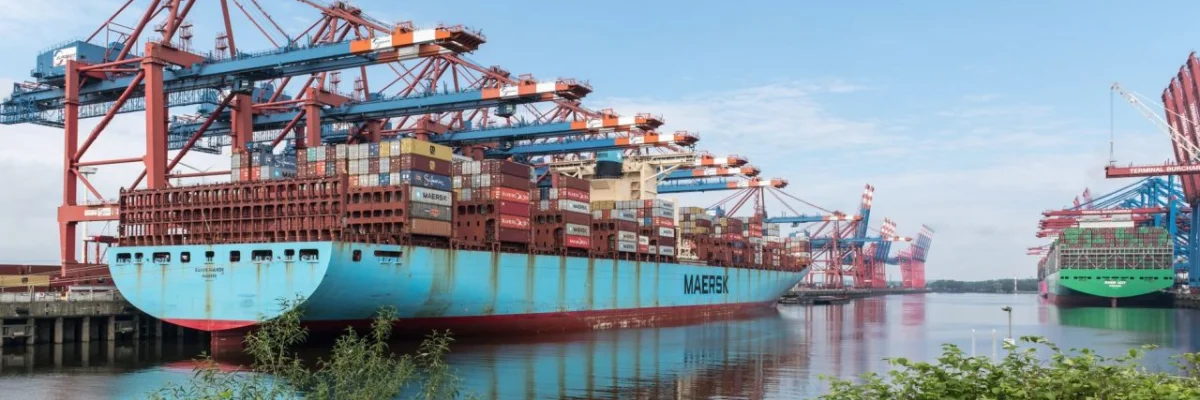
Navigating the intricate landscape of global customs regulations requires more than just attention to detail. For modern freight forwarders, compliance is the backbone of operational reliability and customer trust. As trade lanes become more complex and regulatory bodies enforce stricter mandates, companies must adopt digital strategies to mitigate risk and prevent costly delays. From tariff classifications to import permits, maintaining transparency across your supply chain is non-negotiable. By leveraging cloud-based platforms like MakeCargo, logistics professionals can automate documentation workflows, ensuring that every shipment meets local requirements while maintaining the high velocity necessary to compete in today's demanding international logistics market.
Understanding Regulatory Documentation

The foundation of seamless international trade relies on accurate documentation that satisfies customs authorities globally. Digital tools now allow forwarders to manage complex paperwork electronically, reducing errors that often stem from manual entry. This shift is critical for maintaining consistent compliance standards.
- Electronic Filing Systems: Modern platforms integrate directly with customs agencies to provide real-time updates and seamless submission of manifests, significantly reducing the likelihood of human error during manual data entry processes.
- Harmonized Tariff Coding: Accurate classification of goods is essential for duty calculation and avoiding penalties, which is best achieved through automated lookup tools that suggest the correct codes for shipments.
- Automated Validation Checks: System-based verification tools alert users to missing information or format inconsistencies before the documentation reaches the port, preventing unnecessary clearance delays and heavy operational bottlenecks at borders.
- Audit Trail Management: Maintaining a comprehensive digital history of every document submitted ensures that your firm remains fully prepared for surprise regulatory audits while demonstrating total organizational accountability and transparency.
- Standardized Document Templates: Utilizing pre-configured templates helps staff maintain consistency across all international shipments, ensuring that mandatory field requirements are met every time without relying on individual employee knowledge alone.
Mastering these documentation workflows enables your team to focus on strategic growth rather than repetitive administrative tasks. By ensuring that every digital record is precise and accessible, you build a resilient foundation that supports long-term client retention. Consistent accuracy in documentation not only speeds up clearance times at the border but also positions your freight forwarding business as a highly reliable partner in global logistics.
Automating Duty and Tax Calculations

Calculating duties and taxes manually is a significant drain on resources and increases the risk of financial discrepancies. Automating these financial processes ensures that your clients are always billed correctly while you remain compliant with the latest tax international laws.
- Real-time Tariff Updates: Advanced software pulls live data from trade authorities to ensure that your financial calculations reflect current rates, preventing billing disputes and underpayment of government required duties.
- Currency Conversion Accuracy: Integrated tools automatically handle fluctuating exchange rates during the calculation process, ensuring that the final landed cost presented to the client remains accurate and highly transparent.
- Tax Exemption Tracking: Specialized modules track specific trade agreements and regional exemptions, allowing your team to maximize savings for clients while adhering strictly to regional customs tax guidelines.
- Landed Cost Clarity: Providing customers with a clear breakdown of duties, taxes, and fees upfront builds professional trust and helps them plan their inventory budgets with complete financial confidence.
- Historical Financial Reporting: Robust reporting features allow for detailed analysis of your financial performance, helping you identify potential areas for improvement and maintain strict adherence to international accounting standards.
By shifting to automated duty calculation, you eliminate the guesswork that often plagues manual operations. This transition allows your staff to provide instant quotes that include all necessary charges, which drastically improves the customer experience. When your financial operations are this precise, you gain a massive competitive advantage, allowing you to scale your freight forwarding services without increasing your back office risk.
Navigating Security and Trade Programs
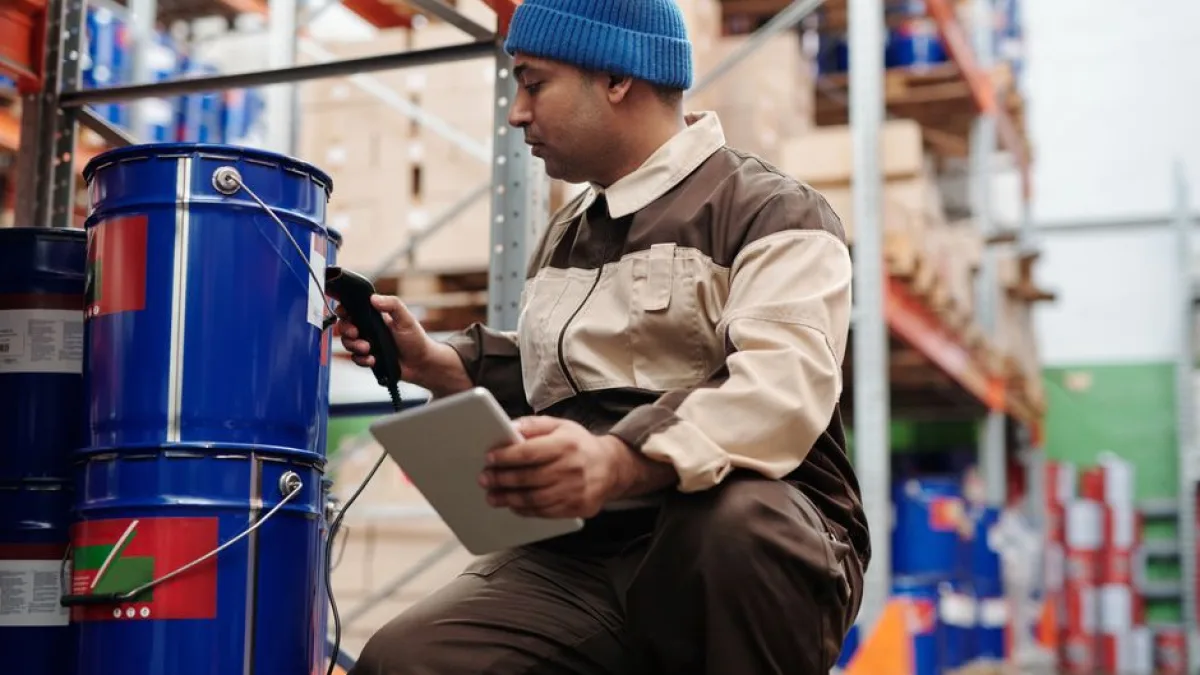
Participating in security programs like AEO or C-TPAT is essential for expediting goods across borders. These initiatives reward forwarders who demonstrate superior internal controls and supply chain security, leading to fewer inspections and faster overall transit times for your managed cargo.
- Security Program Integration: Implementing software that maps your internal workflows against international security standards makes achieving and maintaining certification significantly easier and much less burdensome for your operational teams.
- Risk Mitigation Audits: Digital platforms can perform routine internal checks to ensure that your supply chain partners are meeting the security requirements mandated by various government customs enforcement agencies.
- Enhanced Supply Visibility: Increased visibility into the movement of goods allows you to identify security gaps early, ensuring that your compliance efforts are proactive rather than purely reactive in nature.
- Trusted Trader Status: Achieving trusted trader status provides tangible benefits, such as priority processing, which helps your clients get their products into the market much faster than competitors.
- Vendor Compliance Tracking: Software tools help you monitor the security performance of your sub-contractors, ensuring that every link in the chain adheres to the strict protocols required for certification.
Commitment to these security programs signifies that your business operates at the highest level of industry professionalism. While the initial setup requires rigorous effort and discipline, the long-term benefits include reduced physical inspections and higher priority status at customs hubs. This investment in security culture ultimately translates into safer operations, happier clients, and a more robust reputation as a leader in international freight logistics.
Leveraging Cloud Solutions for Compliance

Cloud technology serves as the central nervous system for modern compliance management. By moving away from siloed spreadsheets, forwarders gain a unified view of their data, which is essential for scaling operations while remaining compliant with changing global trade regulations.
- Unified Data Access: Centralizing your shipment information ensures that all stakeholders have access to the same current data, reducing confusion and preventing discrepancies across your global network of offices.
- Instant Regulatory Updates: Cloud platforms update automatically, meaning your team is always using the most recent version of compliance rules without needing to manually refresh or download complex software.
- Scalable Infrastructure Growth: As your volume of international shipments grows, cloud systems scale with you, providing consistent performance and security without requiring expensive hardware upgrades or complex local network configurations.
- Remote Operations Capability: Teams working from different time zones can securely access critical customs documentation in real-time, ensuring that compliance workflows never stop even when offices are closed.
- Data Security Encryption: Professional cloud providers use advanced encryption methods to protect sensitive trade data, ensuring that your client information remains secure from cyber threats and unauthorized access attempts.
Cloud-based software transforms compliance from a manual burden into a sustainable competitive advantage. By maintaining a single source of truth for all your customs data, you empower your team to resolve issues faster and provide better service to your clients. Embracing this digital transformation is the most effective way to ensure your freight forwarding business remains agile, compliant, and ready for future growth.
Conclusion
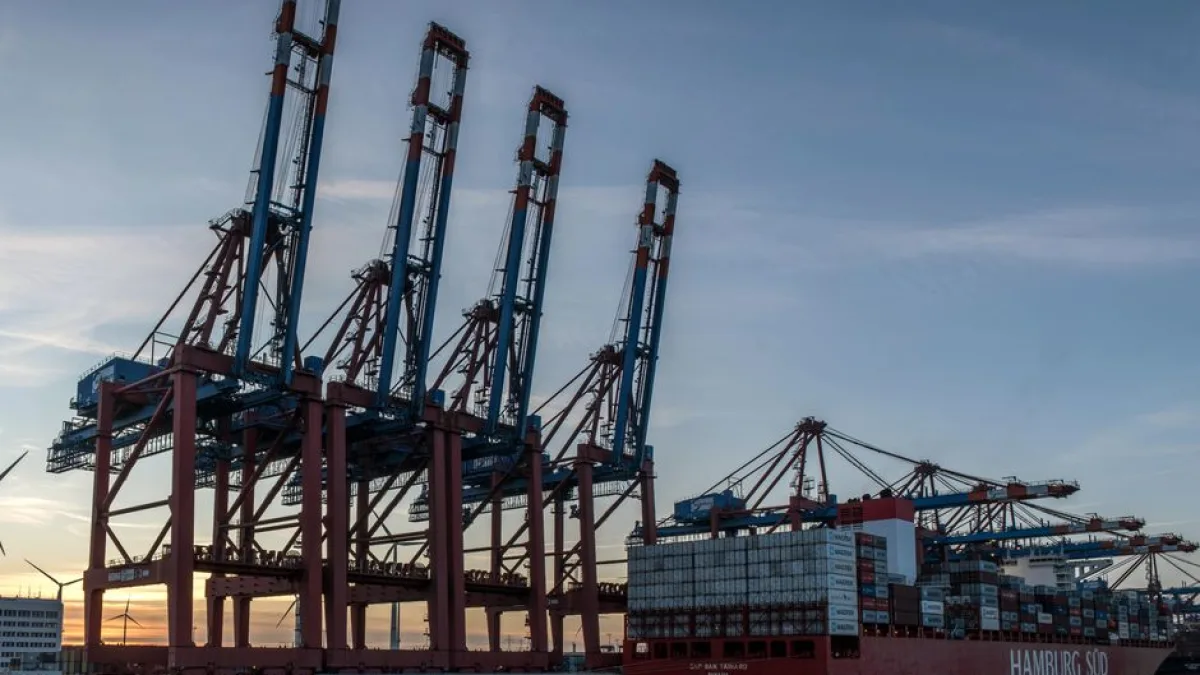
Compliance is not merely a box to check but a vital component of your operational strategy. By integrating digital automation, you ensure accuracy, speed, and security across all shipments. Relying on advanced platforms like MakeCargo allows your team to navigate global regulations with ease. Commit to these best practices today to protect your reputation and drive sustainable success in the complex global logistics market.