Mastering Global Customs Compliance in Digital Freight Forwarding
Monday, September 14 2026
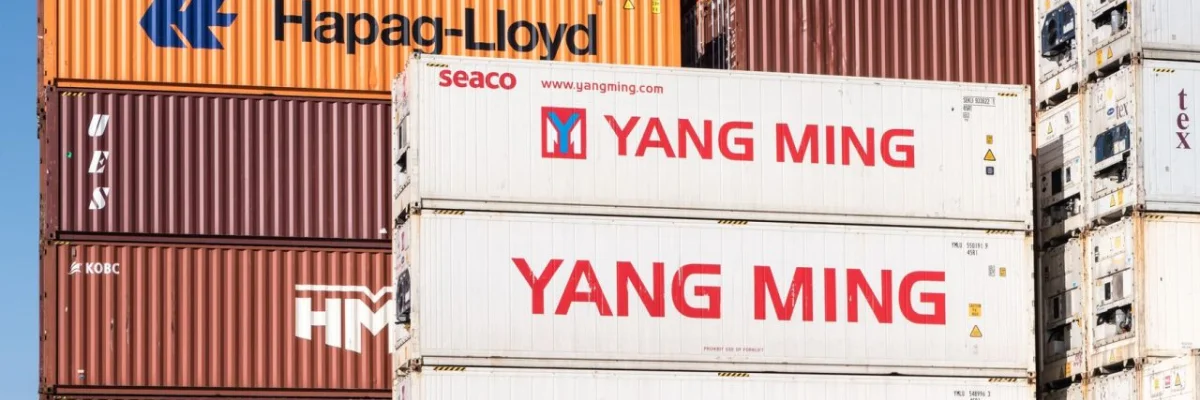
Navigating the complex landscape of international customs and compliance requires precision, speed, and absolute data accuracy. As global supply chains face increasing regulatory scrutiny, freight forwarders must transition from legacy manual processes to automated digital workflows. By leveraging cloud-based platforms, logistics providers can effectively manage documentation, mitigate risks associated with cross-border trade, and ensure seamless delivery for their clients. Mastering these compliance protocols is no longer just a regulatory necessity but a primary competitive advantage that separates forward-thinking companies from those still relying on paper-based systems. Implementing these digital solutions today builds a foundation for long-term operational resilience and client trust.
Automated Classification Systems
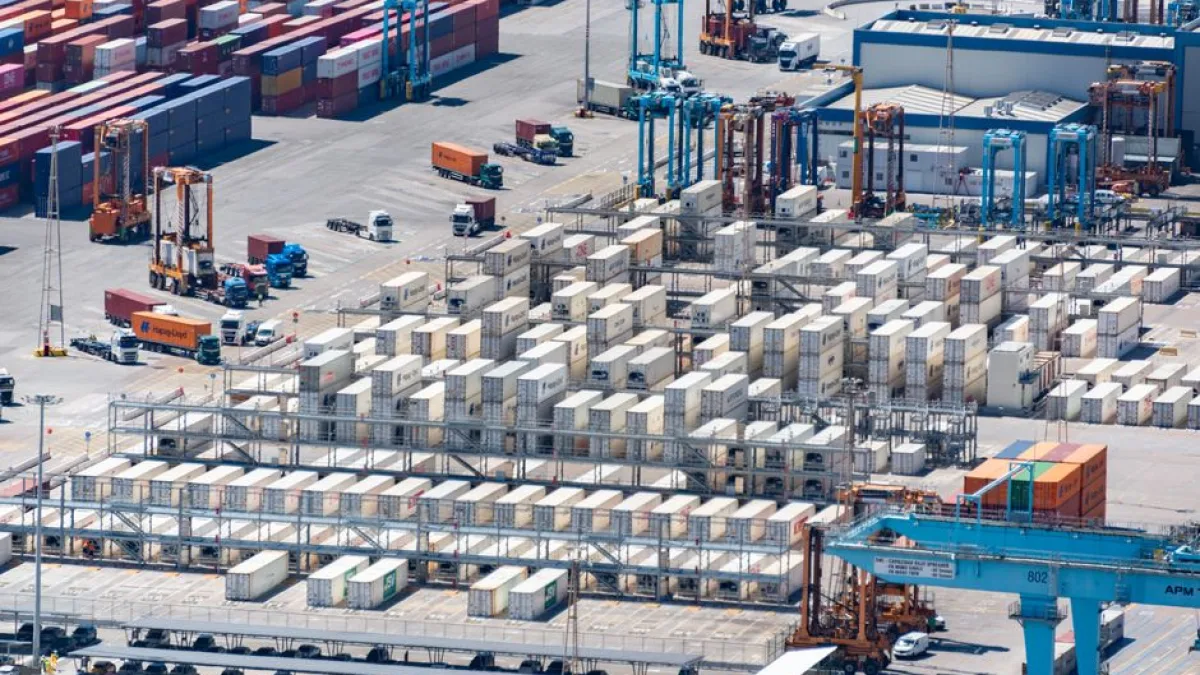
Automating product classification remains the most effective way to eliminate human error while managing complex tariffs. Digital tools allow teams to categorize goods swiftly, ensuring that every shipment adheres to the latest Harmonized System codes and local jurisdictional regulatory requirements.
- Real-time tariff updates: Automated systems track changes in global trade agreements to ensure your classification data remains current, preventing costly customs delays and unexpected penalties during the clearance process.
- Standardized data entry: By creating uniform entry workflows, forwarders can maintain consistency across global branches, reducing discrepancies that often trigger manual audits from local border security and authorities.
- Global database integration: Connecting your software to international trade libraries ensures that every HS code used is accurate, compliant, and verified against the latest official customs information databases.
- Reduced processing times: Automated classification engines process vast amounts of complex shipping data in seconds, significantly speeding up the documentation workflow and allowing your team to focus on exception handling.
Adopting automated classification platforms fundamentally transforms how your organization manages tariff adherence. By reducing the reliance on manual inputs, you minimize the risk of incorrectly categorized goods, which frequently leads to shipment holds or significant financial fines. This shift empowers your logistics teams to operate with greater confidence, ensuring that your company consistently meets global compliance standards while simultaneously increasing overall supply chain velocity.
Digital Documentation Management

Transitioning from physical files to secure cloud-based repositories streamlines the management of vital import and export documentation. Centralized access ensures that all relevant stakeholders can verify documents instantly, fostering transparency while reducing the overhead costs associated with paper storage.
- Secure cloud storage: Centralized digital archives keep all shipping documents protected from environmental damage or physical loss, providing an audit trail that is accessible from any location worldwide.
- Instant document sharing: Cloud integration allows freight forwarders to share bills of lading and commercial invoices with customs brokers immediately, accelerating the clearance process and avoiding costly demurrage.
- Advanced encryption protocols: High-level digital security measures safeguard sensitive client information and trade secrets, ensuring that your organization remains compliant with international data protection regulations and trade standards.
- Version control tracking: Maintaining a history of document edits prevents errors caused by using outdated forms, ensuring that customs officials always receive the most accurate and recent documentation.
Optimizing your document management lifecycle through cloud platforms is a strategic move for modern freight forwarders. Digital systems provide the auditability and speed required in today's fast-paced trade environment. By maintaining a single source of truth for every shipment, your team can resolve documentation discrepancies before they become expensive delays, ultimately strengthening your professional reputation and operational reliability within the global logistics market.
Risk Mitigation and Auditing

Proactive auditing is essential for identifying potential compliance gaps before they become major liabilities. Modern logistics software provides the monitoring tools necessary to flag irregularities early, ensuring your organization stays ahead of changing trade policies and local customs enforcement strategies.
- Proactive anomaly detection: Machine learning algorithms monitor active shipment files to identify potential errors or missing documentation early, allowing your staff to resolve issues before the goods reach ports.
- Comprehensive audit trails: Detailed activity logs track every change made to shipment data, providing undeniable proof of compliance during voluntary or mandatory audits conducted by various international authorities.
- Vendor compliance monitoring: Track the performance and compliance history of your international partners to ensure they meet your internal quality standards and strict regulatory requirements at all times.
- Automated error flags: Smart software alerts notify managers immediately if a submission deviates from established compliance patterns, preventing significant mistakes before they reach government portals and cause delays.
Effective risk management requires a continuous commitment to monitoring and improvement. By utilizing intelligent software to audit your compliance activities, you transform a historically reactive process into a strategic advantage. These tools help your organization maintain pristine records, which is critical when facing scrutiny from customs agencies. A robust digital auditing framework ultimately protects your margins by preventing fines and operational downtime.
Global Trade Compliance Reporting

Reporting is the final bridge between data collection and strategic compliance insight. Robust software suites generate detailed performance reports that allow managers to track compliance KPIs, identify recurring bottlenecks, and refine trade processes to maintain efficiency across diverse international borders.
- Customized compliance dashboards: Visualize key performance indicators such as clearance success rates and average processing times to identify areas of your supply chain that require immediate operational improvement.
- Automated regulatory reporting: Generate precise, pre-filled reports for customs agencies with a single click, reducing the likelihood of data entry errors that often lead to regulatory scrutiny.
- Historical trend analysis: Analyze past shipping data to predict future compliance needs, allowing your team to prepare for seasonal trade shifts or new government trade policies effectively.
- Regulatory change alerts: Software systems monitor global trade news and provide automated notifications, ensuring your organization can adapt to new laws or tax updates without delay.
Comprehensive reporting tools are essential for any forwarder aiming for long-term growth and stability. By turning raw shipment data into actionable insights, your management team can make informed decisions that optimize compliance workflows and reduce costs. Embracing a data-driven approach to reporting ensures that your logistics operations remain agile, allowing you to scale effectively while meeting the highest international standards of trade compliance.
Conclusion

Mastering customs and compliance is a journey toward digital maturity in the freight industry. By integrating automated classification, secure documentation, and proactive auditing into your daily operations, you ensure long-term stability and success. MakeCargo provides the essential infrastructure needed to navigate these complex regulatory waters with confidence. Start optimizing your digital compliance strategy today to achieve faster clearances and stronger client relationships globally.