Mastering Global Logistics with Modern Freight Tracking Solutions
Saturday, August 1 2026
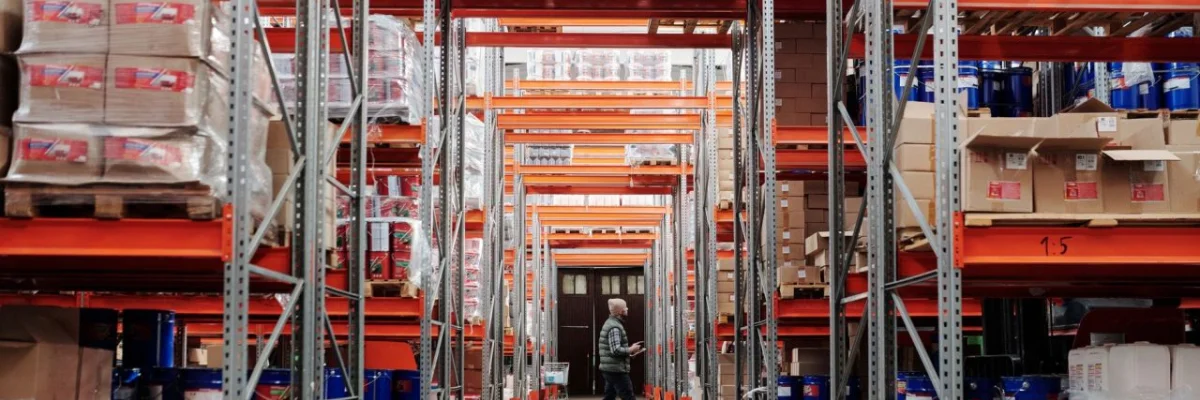
In the fast-paced world of international trade, visibility is the foundation of operational excellence for modern freight forwarders. Clients now demand real-time data and transparency as a standard requirement rather than an added benefit. Navigating complex supply chains requires sophisticated tools that turn raw data into actionable insights for every stakeholder involved. By leveraging cloud-based platforms like MakeCargo, logistics professionals can bridge the gap between departure and arrival while maintaining high service standards. Achieving end-to-end visibility is no longer just an advantage but a core necessity for maintaining competitive relevance in an increasingly digital and demanding global marketplace.
Optimizing Shipment Visibility
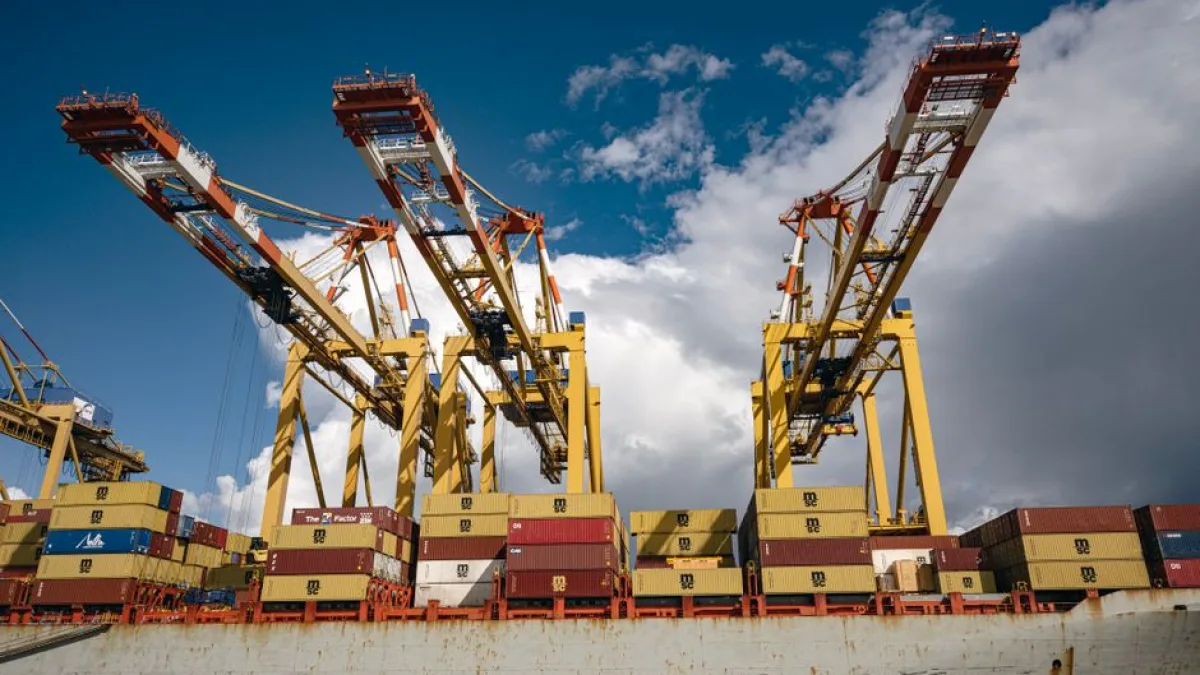
Digital tools have transformed how forwarders visualize their shipment routes across the world. By integrating automated tracking systems, teams can now monitor cargo status from origin to final destination without manual intervention or time-consuming follow-ups with various shipping carriers.
- Automated status updates: Real-time alerts ensure that forwarders receive immediate notifications about shipment status changes, allowing for proactive communication with clients before issues escalate into costly operational delays or service failures.
- Centralized data dashboards: Consolidating shipment information into one user-friendly interface eliminates the need to switch between multiple carrier portals, significantly reducing administrative overhead and human error during daily logistics operations.
- Enhanced client portals: Providing customers with secure access to their tracking information builds trust and transparency, which reduces the volume of repetitive status inquiry emails and phone calls.
- Exception management tools: Advanced analytics identify potential bottlenecks in the supply chain early, enabling logistics teams to pivot strategies and reroute cargo to avoid major terminal congestion issues.
Adopting a centralized tracking system allows your team to focus on strategic growth rather than manual data entry tasks. By automating the flow of information, forwarders gain more time to handle exceptions and nurture client relationships. This shift in operational focus is essential for scaling a business successfully while ensuring that service quality remains consistent even during periods of significant global cargo volatility.
Leveraging Real-Time Data

Data acts as the heartbeat of modern freight operations by providing the intelligence needed for rapid decision-making. When logistics providers harness live information, they can effectively mitigate risks and optimize cargo flow patterns to ensure consistent delivery performance for their customers.
- Predictive arrival forecasting: Machine learning algorithms analyze historical transit data to provide accurate estimated arrival times, helping customers plan their inventory and warehouse operations with much greater precision and confidence.
- Carrier performance metrics: Measuring the reliability of different shipping lines helps forwarders choose the best partners for specific trade lanes, ensuring that quality standards are always met for clients.
- Proactive disruption alerts: Instant notifications regarding weather, port strikes, or equipment shortages allow teams to communicate transparently with stakeholders and implement contingency plans long before shipments are impacted.
- Customized report generation: Generating detailed performance reports on demand allows forwarders to provide stakeholders with clear insights into supply chain trends and identify areas for future process improvement.
The ability to interpret real-time data separates industry leaders from traditional providers. By translating complex data streams into simple, visual insights, your team can make informed decisions that benefit your bottom line. Investing in robust analytical capabilities ensures that you remain a trusted partner for your clients, capable of solving complex logistics puzzles with speed, accuracy, and total professional transparency.
Improving Collaborative Communication

Clear communication serves as the backbone of successful logistics management across every international shipment phase. When all parties share a common view of tracking information, the potential for misunderstandings drops, leading to smoother interactions and higher satisfaction levels for all parties.
- Internal task coordination: Shared digital workspaces enable team members to leave notes on specific shipments, ensuring that everyone remains aligned on complex tasks and urgent delivery requirements.
- Seamless client collaboration: Integrated chat features within your software allow for quick resolutions to customer queries, fostering stronger business relationships through responsive and professional digital support channels.
- Automated notification workflows: Setting up personalized trigger events ensures that stakeholders are kept in the loop automatically, reducing the burden of manual reporting for busy logistics operations staff.
- Secure document sharing: Centralizing shipping documents alongside tracking data prevents version control issues and ensures that all relevant parties have access to the correct paperwork when needed.
Effective collaboration tools turn your freight forwarding software into a hub for organizational productivity. By minimizing email clutter and standardizing how information is shared, your team gains efficiency and consistency. This collaborative environment ensures that when challenges occur, they are addressed collectively rather than in isolation, ultimately leading to faster problem resolution and a more resilient supply chain operation overall.
Building Resilience Against Disruption
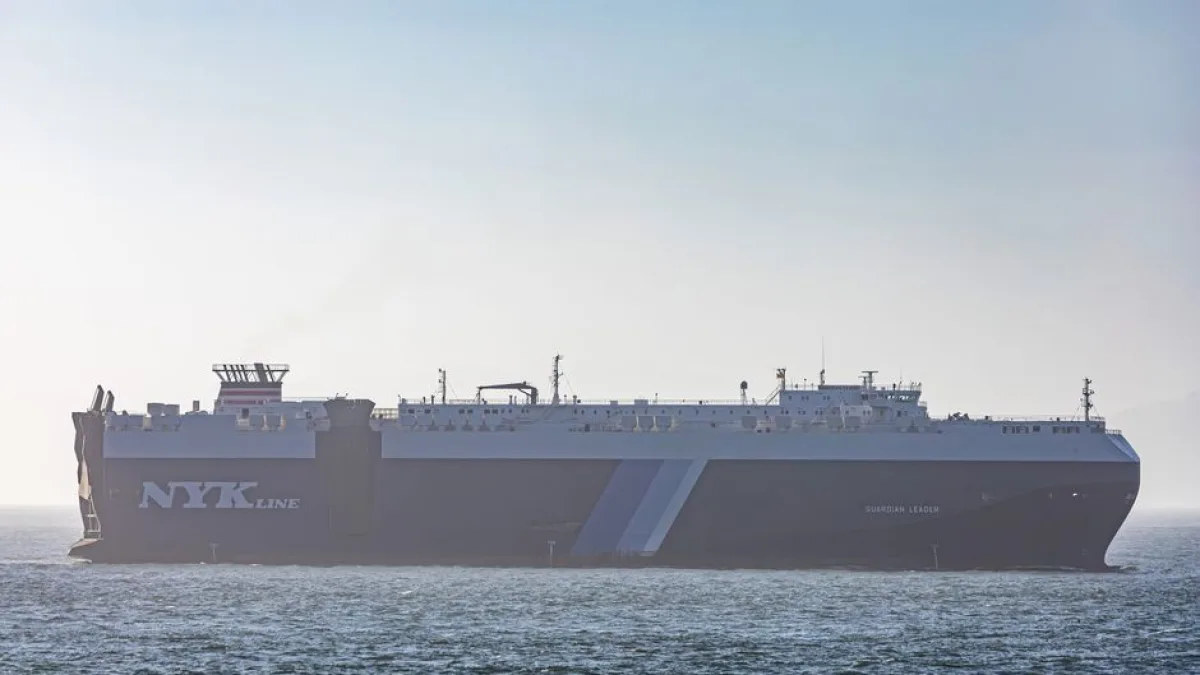
The global supply chain is inherently unpredictable, making resilience a vital trait for every successful freight forwarder. By preparing for potential disruptions through detailed tracking and advanced planning, providers can protect their shipments and maintain a high standard of reliability regardless of external conditions.
- Contingency route planning: Access to historical and live data helps teams identify alternative paths when main trade routes become blocked or delayed, keeping cargo moving toward its destination.
- Inventory visibility buffers: Helping clients monitor their stock levels through integrated systems allows for better planning, ensuring that minor shipping delays do not result in total business shutdowns.
- Risk management mapping: Evaluating regional risks through real-time tracking data helps providers anticipate challenges, such as seasonal port congestion or political instability in specific key shipping zones worldwide.
- Resilient network selection: Utilizing data to choose carriers with the most reliable transit times enhances the overall durability of the supply chain against common global logistics disruptions.
Resilience is built upon the quality of information you possess when problems arise. By utilizing sophisticated tracking and management software, you transform uncertainty into a manageable variable. This proactive approach not only keeps cargo flowing but also solidifies your reputation as a reliable forwarder. Clients value partners who can navigate storms with grace, strategy, and consistent communication during the most difficult times.
Conclusion

Modern freight forwarding is defined by the quality of tracking and communication tools used to manage shipments. By prioritizing visibility and data-driven insights, you empower your team to handle complex logistics with ease and professional confidence. Embrace these digital advancements to streamline your operations, reduce costs, and improve your overall service reliability. MakeCargo is here to support your growth in a globalized world.