Mastering Global Logistics with Advanced Real-Time Tracking Technology
Saturday, October 17 2026
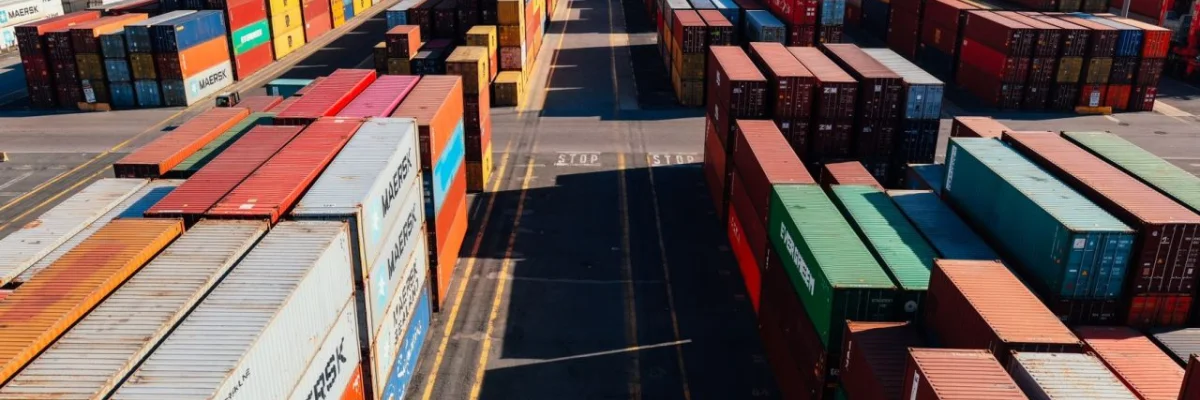
Modern freight forwarding relies on the seamless flow of data across vast international supply chains. As global trade becomes increasingly volatile, the ability to monitor cargo in real time has transformed from a luxury into a fundamental operational necessity. Freight professionals now face constant pressure to provide accurate visibility, reduce transit delays, and optimize carrier performance. By integrating cloud-based platforms like MakeCargo, forwarders can digitize their tracking workflows to replace fragmented manual updates with automated, reliable data streams. This shift empowers businesses to respond to disruptions faster, improve client satisfaction, and gain a decisive competitive advantage in today's high-stakes shipping environment.
The Evolution of Visibility
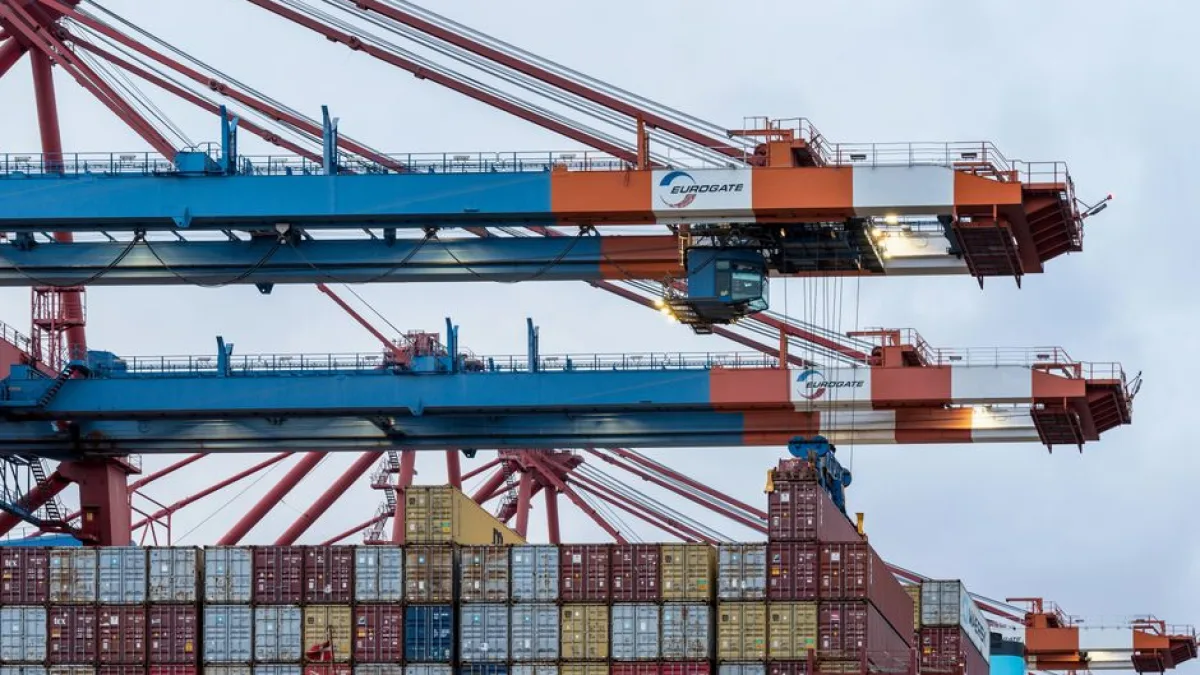
Digital visibility has evolved from basic departure notifications into comprehensive tracking solutions that monitor every leg of the journey. Freight forwarders must leverage these advanced tools to ensure that stakeholders remain fully informed throughout the complex multimodal transit process every single day.
- Automated Tracking Updates: Integration with carrier APIs allows your platform to pull status changes automatically, ensuring that clients receive accurate information without requiring your team to check multiple websites.
- End-to-End Visibility: Comprehensive tracking modules provide a holistic view of shipments from the factory floor to the final destination, allowing forwarders to identify bottlenecks before they impact deliveries.
- Predictive Milestone Alerts: Modern software uses historical data to predict potential delays, enabling your team to proactively manage expectations and offer alternative solutions before issues escalate for your customers.
- Centralized Documentation Storage: Linking tracking status directly to digital documents ensures that customs brokers and port authorities have immediate access to necessary paperwork, reducing dwell time at busy terminals.
- Custom Client Portals: Providing a branded customer portal builds trust by allowing shippers to access live status updates 24/7 without needing to contact your operations team via email.
Adopting these technological advancements allows forwarders to shift focus from manual data entry toward strategic problem solving. When your team spends less time hunting for status updates, they can dedicate more energy to optimizing routing paths and negotiating better rates with carriers. This transformation not only streamlines your daily operations but also strengthens long-term partnerships by providing the reliability that high-volume shippers demand today.
Optimizing Ocean Freight Movements
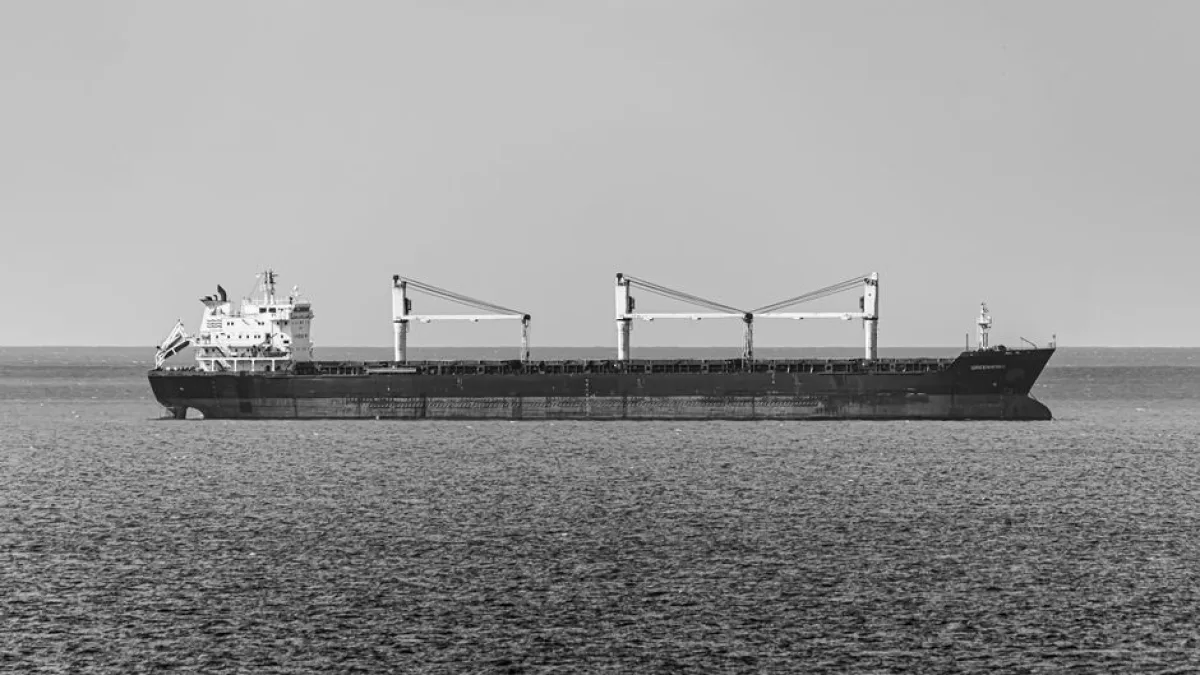
Ocean shipping remains the backbone of global trade, yet it often presents the most significant challenges regarding tracking accuracy. Forwarders must utilize precise vessel tracking data to manage port congestion effectively and coordinate complex landside logistics for seamless cargo handovers.
- Vessel Schedule Monitoring: Real-time tracking allows forwarders to monitor vessel positions and speed, providing early warnings if a ship is expected to miss its assigned berth window at port.
- Port Congestion Analytics: Accessing live data regarding terminal dwell times helps forwarders decide when to divert shipments to alternative ports to avoid long and costly cargo delays.
- Container Lifecycle Tracking: Managing empty container returns is essential to avoiding heavy detention and demurrage fees, which can quickly erode profit margins on low-margin high-volume freight contracts.
- Multimodal Synchronization: Linking ocean arrival data with drayage scheduling ensures that trucks are ready for pickup the moment a container becomes available for transport at the terminal.
- Exception Management Workflows: Sophisticated tracking systems trigger alerts for unexpected events like vessel skipping or blank sailings, allowing operations teams to rebook cargo onto alternative routes immediately.
Mastering ocean freight logistics requires constant attention to detail and a robust technical foundation. By integrating vessel tracking into your core software, you gain the agility needed to handle disruptions as they arise in real time. This proactive approach minimizes the ripple effects of carrier delays, helping you maintain a consistent supply chain flow even when unexpected global events threaten your delivery schedules.
Streamlining Air Cargo Logistics

Air freight is defined by speed and urgent delivery timelines, leaving little room for error in the tracking process. Forwarders must utilize high-precision status monitoring to ensure that time-sensitive goods reach their destination according to strict schedules despite complex airport handling procedures.
- Flight Status Tracking: Real-time integration with airline systems provides instantaneous updates on departure and arrival times, keeping your operations team ahead of any sudden flight cancellations or rerouting.
- Airport Handling Milestones: Tracking specific airport milestones like aircraft offloading and customs release helps forwarders manage final mile delivery windows with extreme precision for their demanding corporate clients.
- Urgent Shipment Prioritization: Automated alerts distinguish urgent shipments from standard cargo, ensuring that critical items receive the necessary attention and expedited processing required for high-priority logistics operations.
- Digitized Air Waybills: Streamlining digital document workflows for air cargo minimizes manual entry errors and speeds up the transition from airport terminal to final road transport delivery.
- Client Visibility Dashboards: Providing specific flight tracking links to clients enhances transparency, which is vital for industries like pharmaceuticals or automotive that rely on just-in-time delivery models.
The fast-paced nature of air logistics necessitates a digital-first approach to information management and client communication. By leveraging cloud platforms, you can provide the level of granular detail that customers expect when shipping via air. This reliable flow of information keeps stakeholders calm during time-sensitive projects, ultimately fostering long-term loyalty and increasing the volume of air freight business handled by your firm.
Leveraging Data for Growth

Data acts as the compass for future operational growth within the freight forwarding sector. Forwarders who analyze historical tracking patterns can make informed decisions about carrier selection, lane reliability, and service offerings to drive profitability and enhance overall supply chain efficiency.
- Performance Benchmarking Analytics: Analyzing historical carrier transit times allows you to select the most reliable partners, which effectively reduces the risk of future delays for your valued clients.
- Route Profitability Analysis: Evaluating the cost of tracking and managing specific routes helps identify which lanes provide the highest margins and where your firm should focus investments.
- Operational Bottleneck Identification: Identifying recurring delays in specific transit legs enables your team to adjust operational workflows and avoid these recurring pitfalls in future shipping projects today.
- Customer Trend Forecasting: Studying shipping volumes and destination patterns allows you to anticipate customer needs, ensuring you have the capacity and carrier relationships ready when demand spikes.
- Continuous Improvement Cycles: Using data-driven insights ensures that your logistics strategies evolve alongside market changes, keeping your business agile and ready for any future industry disruption.
Data should never remain stagnant in your system. By continuously reviewing tracking performance and operational metrics, you transform raw information into actionable business strategy. This analytical mindset allows forwarders to move beyond basic shipping services, positioning your company as a strategic consultant rather than just a vendor. Building a data-led organization ensures long-term sustainability and consistent profitability in a competitive global market.
Conclusion

Real-time tracking is the engine of modern logistics success. By embracing cloud technology and data-driven strategies, freight forwarders can provide superior service while optimizing internal efficiency. Prioritize your digital infrastructure today to stay ahead of the competition and meet the evolving needs of your clients. Start utilizing powerful tracking tools now to build a more transparent, profitable, and reliable global freight forwarding operation.