Mastering Global Logistics with Advanced Shipping and Tracking Tools
Sunday, August 2 2026

Modern freight forwarding requires precision and speed to remain competitive in a volatile global market. As supply chains grow increasingly complex, the ability to manage shipments from origin to final destination becomes the core differentiator for forwarders. Utilizing cloud-based software platforms allows teams to synchronize data, automate documentation, and provide stakeholders with real-time updates. By integrating robust digital infrastructure, companies can eliminate manual errors, reduce operational bottlenecks, and elevate customer service standards. Adopting these advanced tools ensures that your logistics operations remain agile, scalable, and fully transparent, ultimately driving long-term growth and enhancing your firm's reputation in the international trade sector.
Optimizing Real-Time Visibility
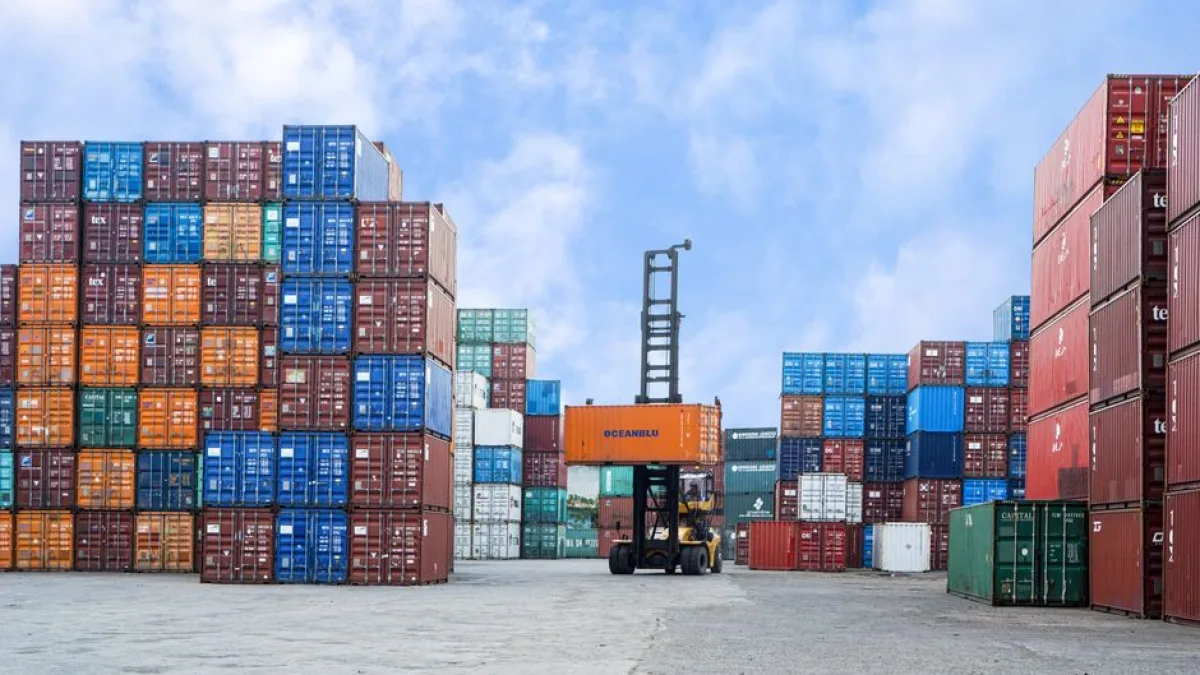
Real-time tracking provides the transparency that modern clients demand for every movement of their freight across international borders. By capturing live data points, forwarders can proactively address potential delays and maintain a competitive edge throughout the entire shipping process.
- Automated status updates: System notifications ensure that stakeholders receive instant alerts regarding cargo location changes, minimizing the need for manual check-ins and reducing communication overhead for your support staff.
- Digital mapping tools: Integrated GPS interfaces allow dispatchers to visualize transit paths, enabling smarter routing decisions that prioritize speed and efficiency while avoiding congested maritime or terrestrial lanes.
- Exception management alerts: Proactive notifications identify potential delays before they escalate, allowing teams to reroute shipments or inform clients immediately to prevent costly operational downtime for businesses.
- Client portal access: Providing customers with secure login credentials allows them to monitor their shipments independently, which significantly increases trust and reduces the volume of support tickets.
Achieving total visibility transforms your business model from reactive to proactive. By utilizing these advanced tracking capabilities, you provide peace of mind to your clients while optimizing internal workflows. This level of clarity acts as a powerful selling point that attracts new business and fosters loyalty with existing partners who value constant updates and high-level digital sophistication in their logistics service providers.
Enhancing Documentation Accuracy

Paperwork remains a significant hurdle in global shipping, but digital management tools turn this burden into a structured process. Digitizing documents ensures that all parties possess accurate data, which prevents customs holdups and costly administrative errors during transit.
- Cloud document storage: Secure centralized repositories allow authorized team members to access invoices, bills of lading, and customs declarations from anywhere, ensuring consistency across global shipping operations.
- Automated compliance checks: Smart software identifies missing fields or regulatory mismatches before documents are submitted, helping to avoid penalties and ensuring smooth passage through international inspection points.
- Digital signature integration: Implementing electronic signature workflows accelerates the approval process, removing the need for physical courier services and reducing turn-around times for urgent import documentation.
- Version control tracking: Maintaining a clear history of document edits prevents confusion when multiple teams collaborate on complex shipments, ensuring that everyone references the latest data.
When documentation is standardized and automated, the risk of human error drops significantly. Streamlining these administrative tasks allows your employees to focus on high-value strategy rather than repetitive data entry. Investing in automated document systems establishes a reliable foundation that scales with your company, ensuring that your operational efficiency remains high as your volume of international shipments continues to grow steadily.
Leveraging Predictive Analytics

Predictive analytics empower freight forwarders to anticipate market shifts and optimize their resource allocation. By analyzing historical shipping data and current trends, firms can make informed decisions that improve profit margins and enhance their overall service delivery capabilities.
- Trend analysis reporting: Evaluating past shipment data helps identify recurring seasonal patterns, enabling companies to secure carrier space early and manage capacity requirements with greater strategic foresight.
- Capacity planning insights: Analyzing future volume projections allows logistics managers to negotiate better rates with carriers, ensuring that they maintain adequate cargo space during periods of high demand.
- Performance benchmarking tools: Comparing carrier performance metrics against industry standards enables you to hold partners accountable, ensuring that service levels always meet your clients' high expectations.
- Cost fluctuation forecasting: Monitoring fuel surcharges and currency shifts helps in predicting price volatility, which allows for more accurate pricing models and protects your bottom line effectively.
Data-driven insights provide a clear advantage in a saturated market. By shifting the focus from manual recording to intelligent forecasting, forwarders can mitigate risks and capitalize on emerging market opportunities. Using these tools demonstrates professional expertise to your clients, positioning your firm as a strategic partner capable of navigating complex economic environments while maintaining high levels of service and operational efficiency.
Integrating Seamless Carrier Communication

Effective communication between forwarders and carriers is the backbone of efficient global logistics. Integrating digital messaging and status synchronization tools ensures that both sides remain aligned, which prevents miscommunication and ensures that all parties follow the same operational plan.
- Unified communication channels: Direct messaging within the platform keeps all shipping conversations in one place, which eliminates the chaos of lost email threads and dispersed digital communications.
- Automated carrier updates: Seamless API connections sync status messages from carrier systems directly into your software, ensuring that your records are always accurate and current without delay.
- Collaborative workflow tools: Shared digital tasks allow carriers and forwarders to work together on problem-solving, which promotes faster resolution times during unexpected disruptions or transit route changes.
- Feedback loop mechanisms: Collecting performance data directly from carrier interactions helps you refine your partner selection process, ensuring you only work with the most reliable logistics providers.
Strong carrier relations define the success of every shipment. When communication flows freely through integrated digital channels, friction is removed from the supply chain. This approach fosters a collaborative environment where problems are solved rapidly and operations run smoothly, ultimately resulting in satisfied customers and a robust logistics network that stands the test of time and global market fluctuations across various regions.
Conclusion
Digital transformation in freight forwarding is no longer optional for firms aiming to lead the market. By prioritizing real-time visibility, document accuracy, predictive analytics, and seamless carrier communication, your business can navigate complexities with newfound ease. Embrace these advanced technologies today to streamline your logistics operations, reduce costs, and deliver superior service. Start optimizing your shipping strategy with MakeCargo to stay ahead of the competition.