Mastering Global Logistics with Advanced Shipping and Tracking Systems
Tuesday, August 4 2026
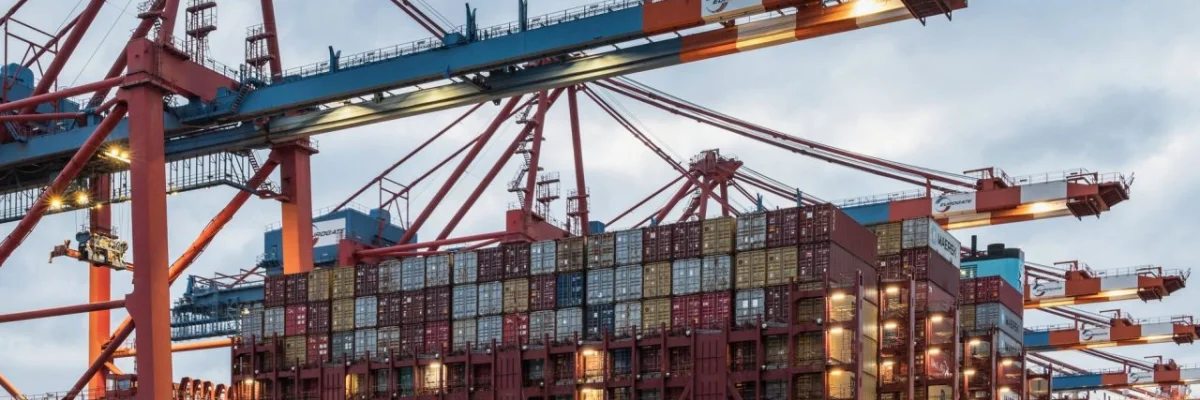
Modern logistics environments demand unprecedented visibility and precision to maintain competitive advantages in a volatile global market. As freight forwarders manage increasingly complex supply chains, the ability to monitor cargo movement in real time has transformed from a premium service into a fundamental operational necessity. By integrating cloud-based platforms into your existing workflows, you can eliminate information silos and provide your clients with accurate, live updates on their shipments. This shift towards data-driven transparency not only builds trust with your customers but also significantly reduces the overhead costs associated with manual tracking requests and administrative delays.
Optimizing Real-time Cargo Visibility
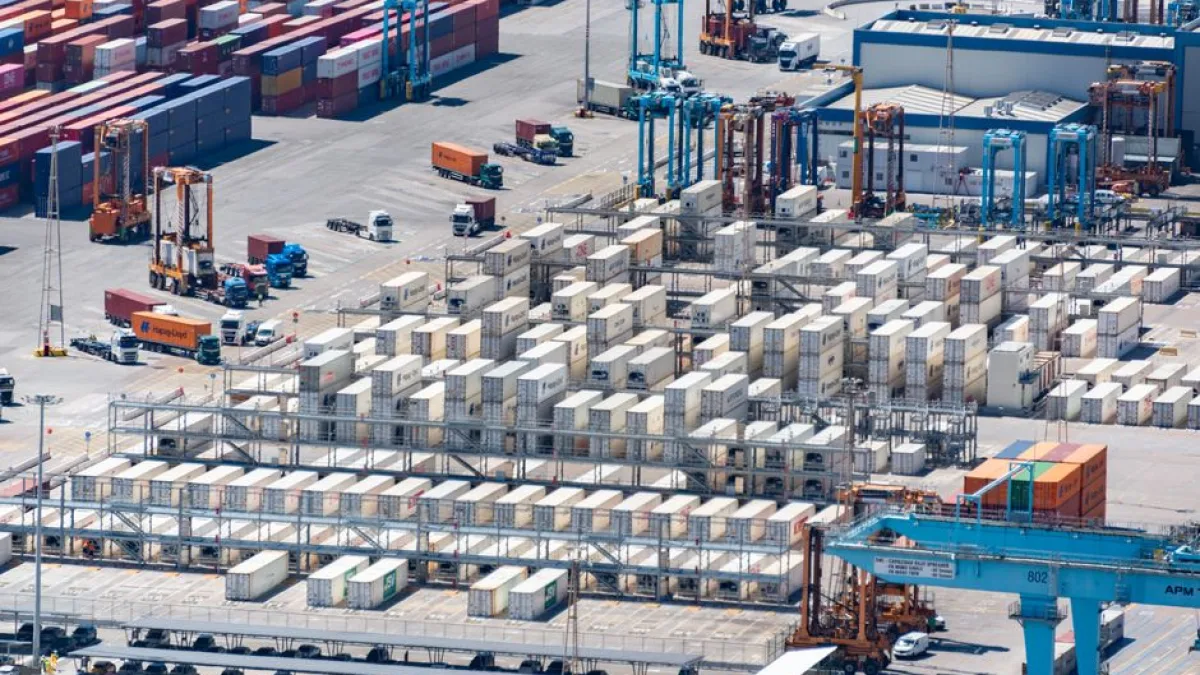
Real-time visibility serves as the backbone of contemporary freight management, allowing forwarders to anticipate disruptions before they impact final delivery schedules. By utilizing cloud technology, businesses gain a comprehensive view of every container moving across international waters or inland transit networks.
- Improved operational efficiency: Digital tracking eliminates manual data entry tasks while allowing your logistics team to focus on strategic decision making rather than chasing down simple status updates for clients.
- Reduced communication overhead: Automated notifications provide instant status reports to your customers, which significantly decreases the volume of incoming inquiries regarding shipment progress and current port arrival times.
- Proactive disruption management: Identifying delays early allows you to reroute cargo or communicate schedule changes to stakeholders, preventing costly downstream issues that often arise from unplanned transit interruptions.
- Enhanced client satisfaction: Providing clear and accurate tracking data increases transparency, fostering stronger professional relationships and ensuring your clients feel informed throughout the entire lifecycle of their shipments.
By leveraging advanced visibility tools, you transform the way your team handles daily logistics challenges. Moving away from reactive communication models enables your staff to manage exceptions rather than routine checks. This proactive approach ensures that your operations remain resilient against unforeseen market shifts while consistently delivering the high level of service that modern businesses expect from their primary logistics service providers.
Standardizing Data Across Global Networks
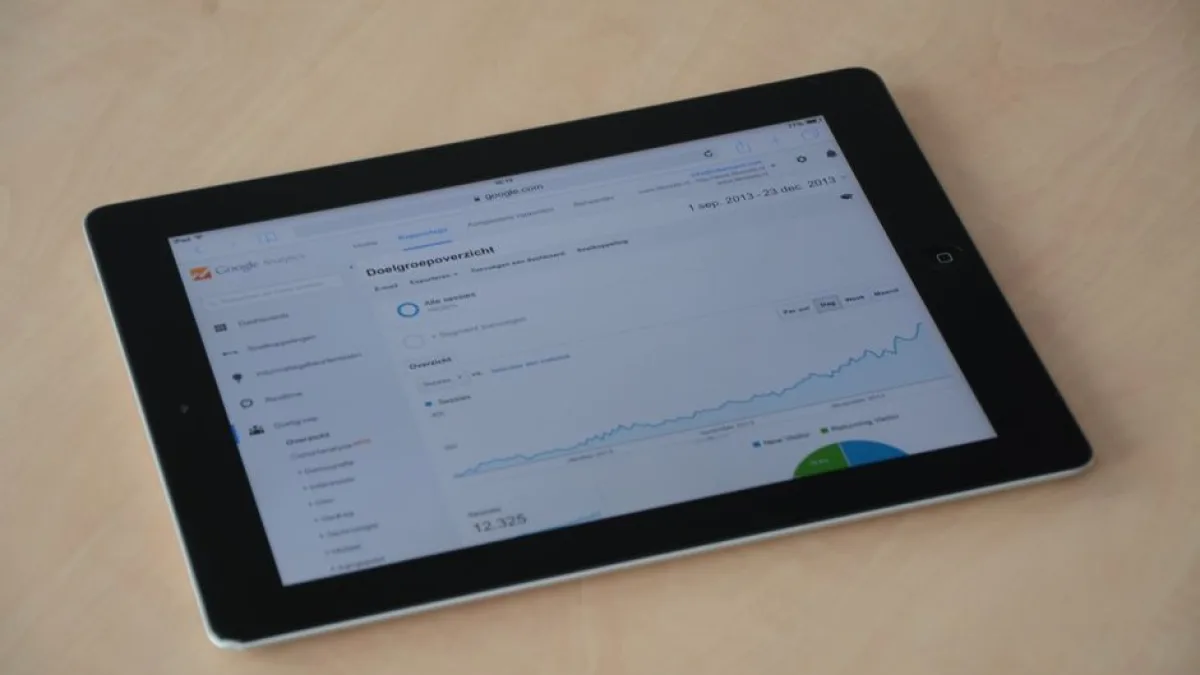
Standardization creates a unified language for your global operations, ensuring that tracking data remains consistent regardless of the carrier, geography, or local port authorities involved in the complex international shipping process today.
- Seamless system integration: Centralized software platforms connect disparate carrier APIs into one unified interface, providing a smooth flow of information that prevents data fragmentation across your organizational departments.
- Reliable data accuracy: Automated validation processes ensure that all tracking information is current and verified, reducing the risk of human error when processing complex multi-modal transit documents.
- Unified reporting metrics: Consistent data collection allows for better performance analysis, enabling your management team to identify trends and improve overall service levels through data-driven insights.
- Faster document processing: Standardized data formats speed up the transfer of necessary shipping documents, ensuring that customs clearance and terminal handling proceed without unnecessary administrative bottlenecks or delays.
Adopting a standardized approach to data management empowers your team to work with greater confidence and speed. When every shipment follows a consistent tracking protocol, you effectively remove the guesswork that often plagues global logistics networks. This structural clarity allows you to scale your operations rapidly while maintaining high standards, ensuring that every piece of cargo receives the attention it requires from start to finish.
Leveraging Predictive Analytics for Logistics

Predictive analytics utilizes historical data to forecast potential transit bottlenecks, helping freight forwarders stay ahead of common industry hurdles through intelligent software forecasting rather than relying solely on past experience and traditional intuition.
- Anticipating port congestion: Predictive models analyze current port activity levels to estimate potential delays, allowing you to suggest alternative routing options before your cargo enters a congested terminal.
- Optimizing transit times: Analyzing historical performance data helps in selecting the most reliable carriers and routes, which ultimately results in faster and more dependable cargo delivery schedules.
- Strategic resource allocation: Understanding future demand trends enables your company to allocate staff and financial resources effectively, ensuring you are prepared for seasonal fluctuations in global trade.
- Cost reduction strategies: Accurate forecasting helps in minimizing detention and demurrage fees by predicting arrival windows more precisely and coordinating local transport arrangements well in advance of arrival.
Integrating predictive tools into your strategy changes the competitive landscape for your freight forwarding firm. By moving toward a model where information predicts future needs, you can offer your clients a superior level of service that competitors relying on outdated methods cannot match. This forward-thinking strategy turns your logistics department into a vital asset that adds tangible value to your customers supply chain operations.
Enhancing Security Through Digital Tracking

Security in logistics depends on the constant monitoring of cargo integrity during every step of the journey, ensuring that freight arrives at its final destination in perfect condition without unauthorized interference or damage.
- Real-time status monitoring: Digital sensors and tracking systems monitor environmental conditions like temperature or humidity, ensuring that sensitive goods remain safe throughout the entire international transport cycle.
- Unauthorized access detection: Integrated alerts notify your security team immediately if a container seal is tampered with, allowing for a rapid response to mitigate potential theft or loss.
- Comprehensive audit trails: Detailed digital logs create an immutable record of transit activity, which is essential for insurance purposes and resolving disputes regarding cargo loss or damage.
- Increased cargo integrity: Consistent tracking encourages better handling practices by all logistics partners, as the transparency of the digital chain of custody creates accountability at every single point.
Robust security measures are not just about protecting goods; they are about maintaining your reputation as a reliable logistics partner. By using tracking software to monitor every link in the supply chain, you minimize risk and protect the interests of your clients. This level of oversight provides peace of mind, making your services a preferred choice for businesses transporting high-value or sensitive cargo globally.
Conclusion
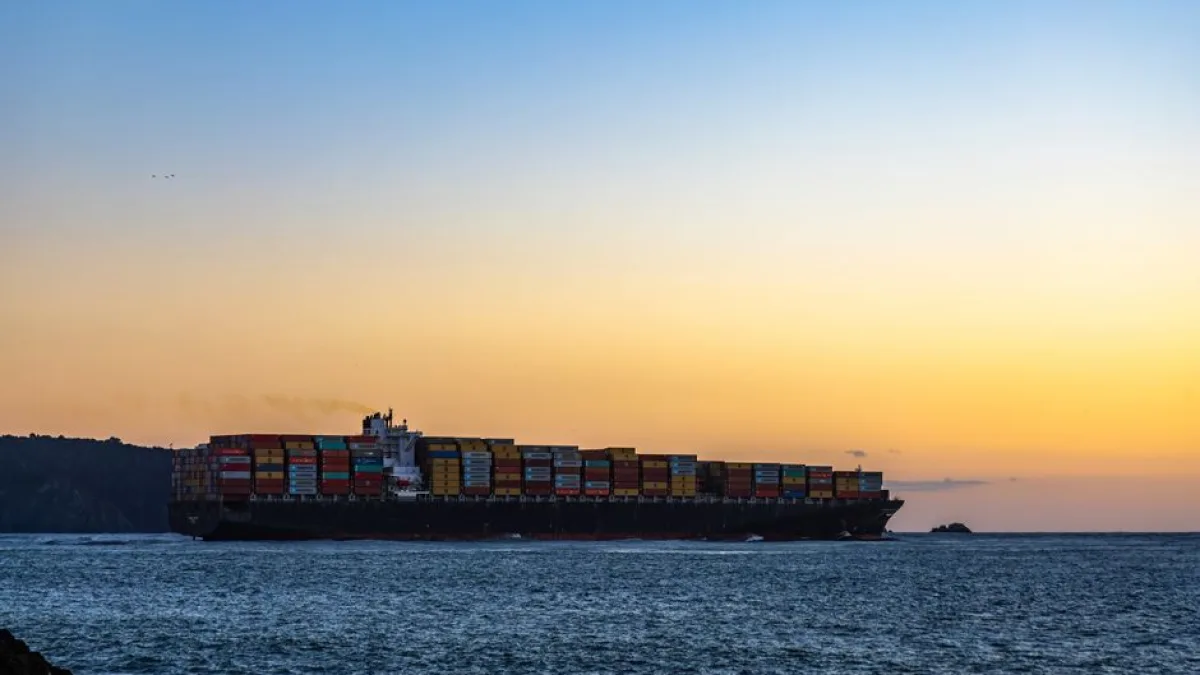
Mastering modern shipping and tracking is essential for the future of your freight forwarding business. By implementing advanced digital tools, you improve efficiency, security, and client trust across your entire network. We invite you to explore our cloud-based software solutions to see how you can streamline your logistics operations today. Stay ahead of industry shifts and build a more resilient, transparent, and profitable freight operation.