Mastering Global Logistics with Advanced Shipping and Tracking Systems
Sunday, August 16 2026

Modern freight forwarding demands unprecedented levels of precision and transparency. As global supply chains grow increasingly complex, the ability to manage shipments from origin to destination becomes a primary competitive advantage. Professionals in the logistics sector now rely on cloud-based technology to bridge communication gaps and mitigate risks in real-time. By leveraging automated data feeds and integrated tracking platforms, forwarders can proactively manage exceptions rather than simply reacting to delays. This shift toward digitalization is not just an operational upgrade; it is a fundamental transformation in how cargo moves, ensuring reliability and trust for shippers navigating the volatile international landscape.
Optimizing Real Time Visibility
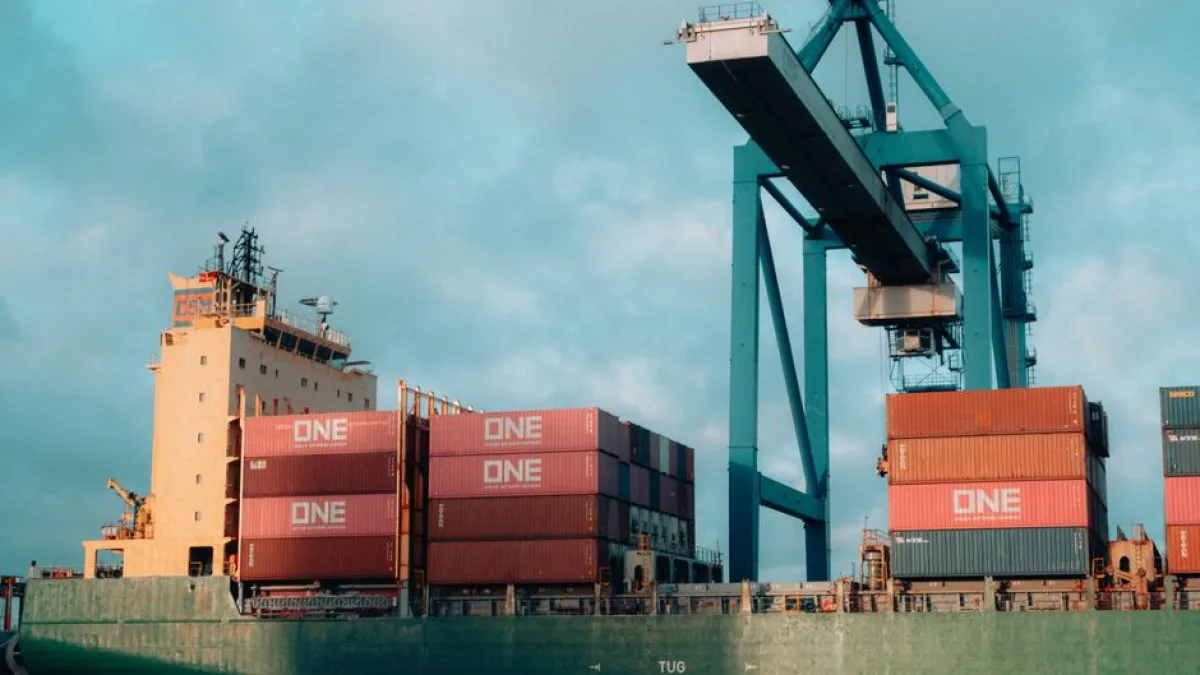
Achieving total visibility throughout the supply chain is essential for modern freight forwarders who need to keep clients informed. By utilizing cloud-based software, businesses can eliminate blind spots, reduce manual follow-up time, and improve customer satisfaction through consistent, accurate status updates.
- Automated status updates: Eliminate manual entry by integrating live data streams directly into your dashboard, ensuring that your clients receive precise location information without administrative delays or human error.
- Carrier portal integration: Connect your internal systems with global carrier platforms to pull tracking details automatically, creating a unified view of your entire shipment lifecycle across different modes.
- Proactive exception management: Detect potential bottlenecks and routing issues before they escalate, allowing your team to reallocate resources or notify clients about delays with clear mitigation plans.
- Enhanced client portals: Provide a branded interface where customers can log in to view their own shipment milestones, reducing the volume of status inquiries handled by support.
When you provide clients with reliable visibility, you build long-term trust and professional credibility. Advanced tracking capabilities allow your team to transition from being reactive to highly proactive. By addressing minor disruptions early, you protect your customers from the costly consequences of unmanaged delays. Ultimately, this transparency becomes the cornerstone of your value proposition, distinguishing your forwarder services from less tech-enabled market competitors.
Streamlining Documentation Workflows

Efficient documentation is the backbone of successful freight forwarding. Automating the flow of bills of lading, invoices, and customs documents through digital platforms saves hours of manual work and prevents errors that lead to cargo being held at ports.
- Integrated digital filing: Store all shipping documentation in a centralized cloud repository, making it easy for authorized team members to retrieve critical paperwork from any global location.
- Automated compliance checks: Utilize smart software to verify document accuracy against customs requirements, which helps in reducing the likelihood of costly administrative errors or import penalties.
- Template based generation: Speed up the creation of standard shipping forms by using customizable templates that automatically pull data from your existing freight forwarding database for accuracy.
- Electronic signature capture: Accelerate your business operations by implementing e-signature solutions, allowing partners to sign off on documents instantly without relying on slow traditional mail or couriers.
Digital documentation removes the physical friction that often slows down international trade. By shifting away from paper trails, your team gains speed and security, ensuring that customs brokers and port authorities receive accurate data ahead of time. This efficiency results in faster clearance times and fewer disputes. Adopting a paperless strategy is a vital step toward scaling your operations in a fast-paced market.
Leveraging Predictive Data Analytics

Data analytics transforms raw shipment history into actionable insights. By analyzing trends in transit times and carrier performance, forwarders can make smarter decisions that improve their margins and enhance service reliability for every single client they serve today.
- Carrier performance metrics: Analyze historical data to identify which carriers consistently deliver on time, allowing you to make evidence-based routing decisions for your high value shipments.
- Transit time forecasting: Use machine learning tools to predict potential delays based on seasonal traffic or port congestion, helping you advise clients on the best transport routes.
- Cost analysis reports: Break down shipment costs by route, carrier, and season to identify areas for budget optimization and negotiate better rates with your primary logistics partners.
- Client behavior insights: Track recurring shipping patterns for your clients to anticipate their needs, allowing you to offer proactive solutions and grow your long-term business relationships.
Data-driven decisions empower forwarders to optimize their network and minimize operational waste. By understanding the nuances of your supply chain through analytics, you can identify hidden costs and performance gaps that competitors might overlook. This analytical rigor transforms your shipping strategy from a commodity service into a premium consultancy. Start using your historical data to drive future success and improved profitability.
Enhancing Communication Across Teams

Seamless communication between your operations team, carriers, and shippers is the key to minimizing errors. Cloud-based logistics platforms offer collaborative tools that keep all stakeholders aligned on project status, reducing the dependency on fragmented email chains and phone calls.
- Collaborative task management: Assign specific shipping tasks to team members within the software to ensure that no critical step, from booking to final delivery, is forgotten.
- Internal chat features: Move discussions about specific shipments into dedicated channels where all context is saved, making it easy for new team members to catch up quickly.
- External messaging tools: Enable secure communication with vendors and consignees through the platform, ensuring that all correspondence is logged and easily accessible for auditing or support.
- Multi language support: Simplify international operations by using tools that translate shipping updates and messages for local partners, bridging language gaps in global freight movements easily.
Centralized communication tools reduce the mental load on your staff while increasing accountability. When every stakeholder sees the same information in real time, disputes become rare and resolutions happen much faster. This cohesion is vital for maintaining a high level of service as your business volume grows. Invest in better collaboration technology to ensure that your freight forwarding operations run smoothly and consistently.
Conclusion
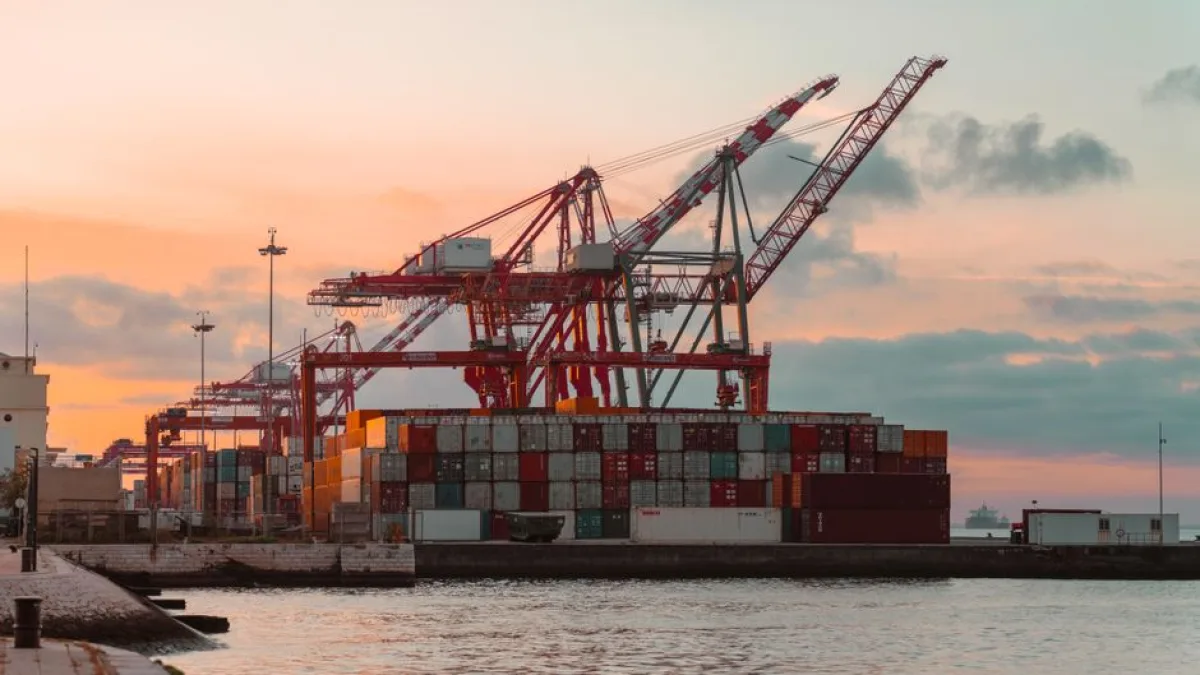
Mastering the complexities of shipping and tracking is no longer optional for modern forwarders. By integrating cloud-based technology, you can achieve superior visibility, optimize documentation, and leverage data for smarter growth. These tools empower your team to provide exceptional service while reducing operational risks. Start your digital transformation today to stay ahead in the competitive freight industry. Contact MakeCargo to begin your journey.